Gerbera Garvinea Orangina ('Orangina'PBR) (Garvinea Series)
gerbera [Garvinea Orangina]
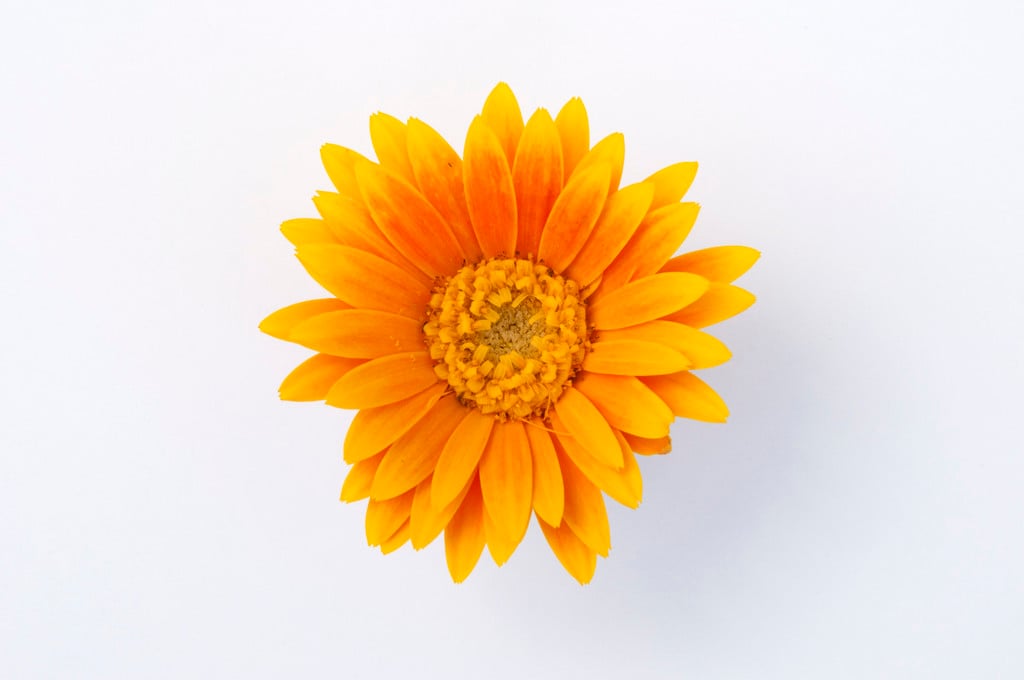
A clump-forming, semi-evergreen perennial to around 40cm tall and wide with lance-shaped, lobed leaves forming a basal rosette. Daisy-like orange to dark yellow flowers to 5cm in diameter are produced in profusion from spring until the first frosts
Size
Ultimate height
0.1–0.5 metresTime to ultimate height
1–2 yearsUltimate spread
0.1–0.5 metresGrowing conditions
Moisture
Well–drainedpH
Acid, Alkaline, NeutralColour & scent
| Stem | Flower | Foliage | Fruit | |
| Spring | Yellow Orange | Green | ||
|---|---|---|---|---|
| Summer | Yellow Orange | Green | ||
| Autumn | Yellow Orange | Green | ||
| Winter | Green |
Position
- Full sun
Aspect
South–facing or West–facing
Exposure
Sheltered Hardiness
H3Botanical details
- Family
- Asteraceae
- Native to GB / Ireland
- No
- Foliage
- Semi evergreen
- Habit
- Bushy
- Genus
Gerbera are perennials with basal rosettes of leaves from which emerge hairy stems each bearing a daisy-like flowerhead; flowers can be single or double and in shades of yellow, orange, red, white, pink or purple
- Name status
Trade
How to grow
Cultivation
Grow in fertile well-drained soil in a sheltered position in full sun; ideal for patio containers grown in a peat-free, loam-based potting compost (JI No.2) and may be overwintered under glass in colder areas. See Gerbera cultivation for further information
Propagation
Propagate by softwood cuttings in summer
Suggested planting locations and garden types
- City and courtyard gardens
- Coastal
- Cottage and informal garden
- Patio and container plants
- Wall side borders
- Cut flowers
- Flower borders and beds
Pruning
Deadhead flowers regularly
Pests
Aphids, glasshouse whitefly and leaf miners may be a problem
Diseases
May be susceptible to leaf spot (fungal) and root rot
Get involved
The Royal Horticultural Society is the UK’s leading gardening charity. We aim to enrich everyone’s life through plants, and make the UK a greener and more beautiful place.