Veratrum californicum var. caudatum
Californian tailed false hellebore
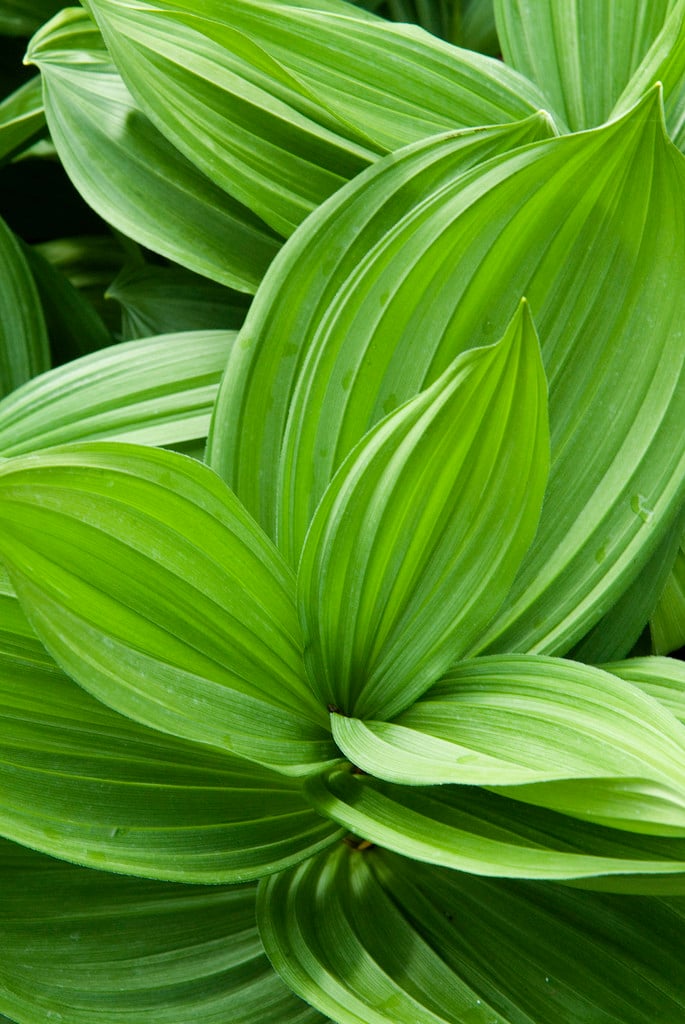
a slow-growing, herbaceous perennial with broad, pleated leaves. The flower stem can reach 2m, has short branches on the lower half, and is clothed in greenish-white, star-shaped flowers in mid- to late summer
Size
Ultimate height
1.5–2.5 metresTime to ultimate height
5–10 yearsUltimate spread
0.1–0.5 metresGrowing conditions
Moisture
Moist but well–drainedpH
Acid, Alkaline, NeutralColour & scent
| Stem | Flower | Foliage | Fruit | |
| Spring | Green | |||
|---|---|---|---|---|
| Summer | Green White | Green | ||
| Autumn | ||||
| Winter |
Position
- Full sun
- Partial shade
Aspect
West–facing or South–facing or East–facing
Exposure
Sheltered Hardiness
H3Botanical details
- Family
- Melanthiaceae
- Native to GB / Ireland
- No
- Foliage
- Deciduous
- Habit
- Clump forming
- Potentially harmful
- TOXIC if eaten. Wear gloves and other protective equipment when handling TOXIC to pets if eaten (dogs) - see the HTA guide to potentially harmful plants for further information and useful contact numbers
- Genus
Veratrum are herbaceous, rhizomatous perennials with erect stems bearing alternate, pleated ovate or elliptic leaves and dense, branched panicles of small, star-shaped flowers in summer
- Name status
Unresolved
How to grow
Cultivation
Grow in deep, fertile, humus-rich soil that is moist but well-drained; site in partial shade or full sun so long as the soil does not dry out. Shelter from cold, drying winds
Propagation
Propagate by seed in pots in a cold frame as soon as seed is ripe. Propagate by division in early spring or autumn
Suggested planting locations and garden types
- Cottage and informal garden
- Architectural
- Flower borders and beds
Pruning
Cut down flowering spike after flowering
Pests
Diseases
Generally disease- free
Get involved
The Royal Horticultural Society is the UK’s leading gardening charity. We aim to enrich everyone’s life through plants, and make the UK a greener and more beautiful place.