Crassula sarcocaulis

RHS Plant Profile
bonsai crassula
bonsai crassula RHS

Synonyms

Sedum sarcocaule hort.

Alpine Rockery Cactus Succulent

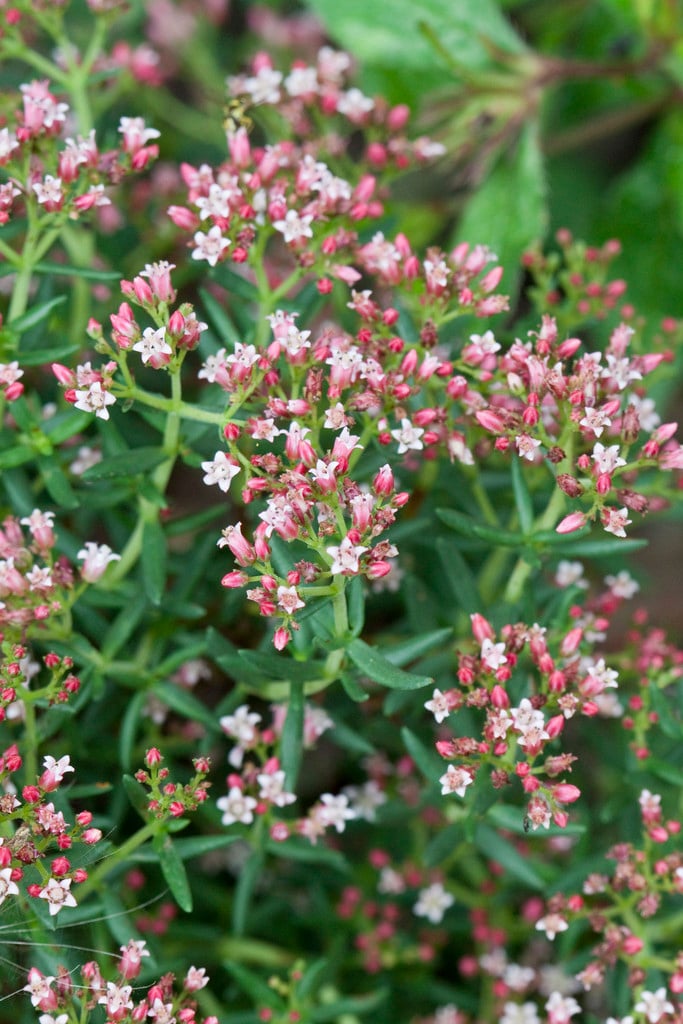
A shrubby perennial succulent, 20-60cm high, with erect fleshy stems and many branches; leaves are narrow, pointed, red-tinged mid-green, 1-3cm long and 1-8mm wide. Clusters of starry pale pink or white flowers appear in late summer; the flowers are scented but not everybody finds the scent pleasant

Position

Full sun

Soil Types

Chalk, Loam, Sand

Max Height

0.5-1 metres

Max Spread

0.1-0.5 metres

Size

Time to Maturity
5–10 years
Max Spread
0.1-0.5 metres
Max Height
0.5-1 metres

Growing Conditions

Chalk Loam Sand
Moisture
Well–drained
pH
Acid or Alkaline or Neutral

Position

Full sun
Aspect
South–facing or West–facing
Exposure
Sheltered
Hardiness
H3

Colour & Scent

Fragrance Flower
Season Stem Flower Foliage Fruit
Spring
Summer
Autumn
Winter

Botanical Details

Family
Crassulaceae
Native to GB/Ireland
No
Foliage
Evergreen
Habit
Bushy
Genus
Crassula can be succulent annuals, perennials, evergreen shrubs or sub-shrubs, with fleshy leaves and small, star-shaped or funnel-shaped flowers in a terminal cluster
Name Status
Correct
Plant Range
S Africa to Malawi

How to Grow

Cultivation

Unusually for this genus, this is a frost-tolerant species and can tolerate temperatures down to -5°C. Grow in very well-drained soil in full sun, for example in sheltered parts of a rock garden; it can also be grown under glass, in cactus compost in full light. See hardy cacti and succulent cultivation

Propagation

Propagate by seed sown at 15-18°C in early spring, or by stem or leaf cuttings in spring or summer

Suggested planting locations and garden types

  • City and courtyard gardens
  • Coastal
  • Houseplants
  • Rock garden
  • Sub-tropical
  • Low Maintenance
  • Conservatory and greenhouse

Pruning

No pruning required

Pests

May be susceptible to mealybugs, vine weevils, scale insects and aphids

Diseases

Generally disease-free