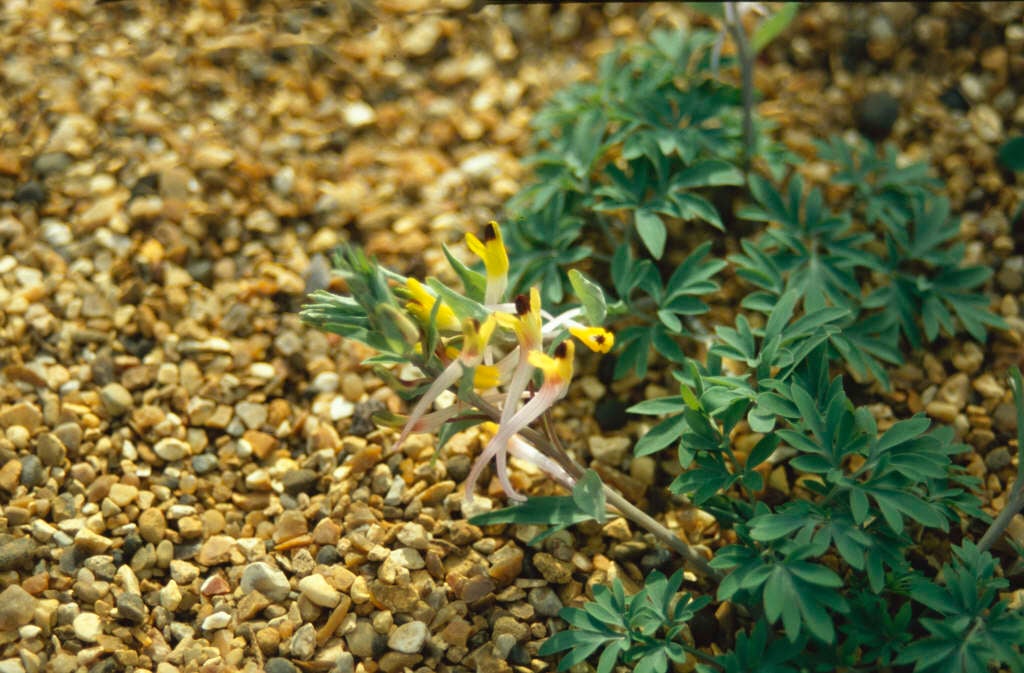
Size
Ultimate height
0.1–0.5 metresTime to ultimate height
2–5 yearsUltimate spread
0–0.1 metreGrowing conditions
Moisture
Well–drainedpH
Acid, Alkaline, NeutralColour & scent
| Stem | Flower | Foliage | Fruit | |
| Spring | Green | |||
|---|---|---|---|---|
| Summer | Green | |||
| Autumn | ||||
| Winter | Brown White Yellow |
Position
- Full sun
Aspect
South–facing or East–facing
Exposure
Exposed or Sheltered Hardiness
H5Botanical details
- Family
- Papaveraceae
- Native to GB / Ireland
- No
- Foliage
- Deciduous
- Habit
- Clump forming
- Genus
Corydalis can be annuals, biennials or tuberous or rhizomatous perennials, with ternately or pinnately lobed leaves and racemes of spurred, tubular flowers
- Name status
Correct
- Plant range
- C Asia
How to grow
Cultivation
Ideally grown in sharply drained, moderately fertile soil in sun or partial shade in pots in an alpine house. Prefers more moisture in winter and partially drying out in summer, plant tubers in autumn. Plunge the pots in damp sand up to the collar of the pot to prevent drying out. Repot annually
Propagation
Propagate by allowing tubers to increase each year. Propagate by seed sown as soon as it is ripe in pots in an open frame; germination may be erratic
Suggested planting locations and garden types
- Patio and container plants
- Rock garden
Pruning
No pruning required
Pests
Diseases
Generally disease-free
Get involved
The Royal Horticultural Society is the UK’s leading gardening charity. We aim to enrich everyone’s life through plants, and make the UK a greener and more beautiful place.