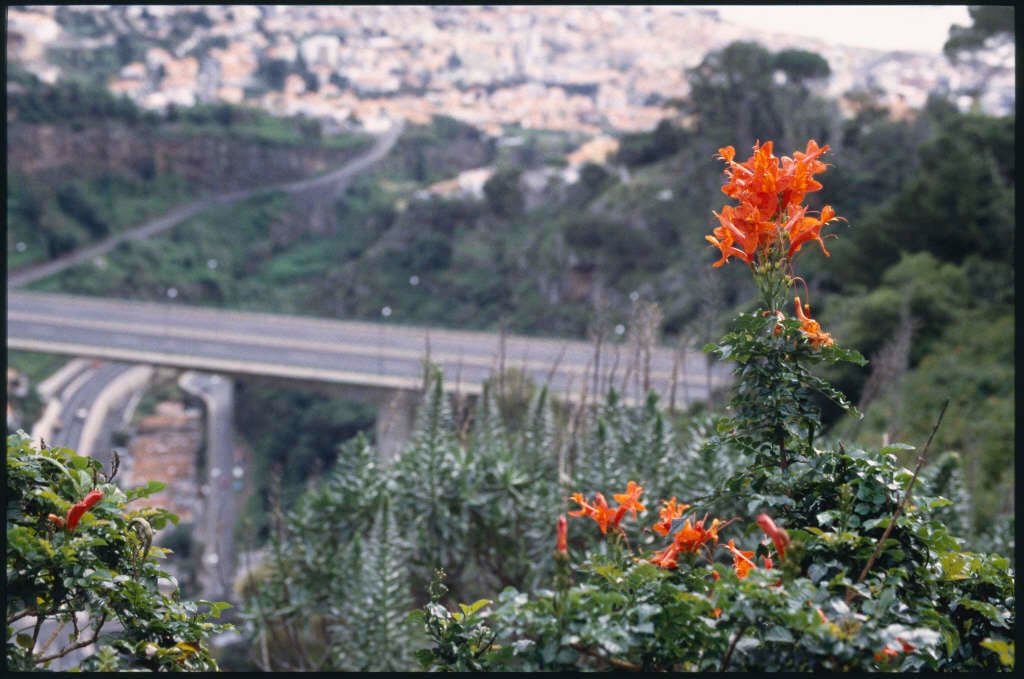
Tecoma capensis

RHS Plant Profile
Cape honeysuckle
Cape honeysuckle Mike L. Grant 1998

Other common names

West Indian honeysuckle

Synonyms

Tecomaria capensis

Shrubs Climber Wall Shrub Conservatory Greenhouse

An evergreen shrub with self-clinging scrambling stems to 3m or more, with dark green, pinnate leaflets and clusters of bright orange-red flowers with slender curved tubes to 5cm in length, in late summer

Position

Full sun

Soil Types

Chalk, Loam, Sand

Max Height

2.5-4 metres

Max Spread

1.5-2.5 metres

Size

Time to Maturity
5–10 years
Max Spread
1.5-2.5 metres
Max Height
2.5-4 metres

Growing Conditions

Chalk Loam Sand
Moisture
Well–drained
pH
Acid or Alkaline or Neutral

Position

Full sun
Aspect
South–facing
Exposure
Sheltered
Hardiness
H1C

Colour & Scent

Season Stem Flower Foliage Fruit
Spring
Summer
Autumn
Winter

Botanical Details

Family
Bignoniaceae
Native to GB/Ireland
No
Foliage
Evergreen
Habit
Climbing
Genus
Tecoma can be evergreen shrubs, trees or climbers, with pinnately divided leaves and terminal racemes of funnel or trumpet-shaped flowers
Name Status
Correct
Plant Range
S Africa, Swaziland

How to Grow

Cultivation

Worth trying in mild gardens if you have a sunny, sheltered wall and a fertile, well-drained soil. Otherwise, grow in a container and overwinter indoors

Propagation

Propagate by seed, layering or semi-hardwood cuttings

Suggested planting locations and garden types

  • City and courtyard gardens
  • Patio and container plants
  • Wall side borders

Pruning

Pruning group 8 in early spring, plants grown under glass may need overcrowded stems thinning out

Pests

May be susceptible to glasshouse red spider mite and glasshouse whitefly

Diseases

May be susceptible to honey fungus in gardens where it is present but insufficient data to determine degree of susceptibility