Size
Ultimate height
0.1–0.5 metresTime to ultimate height
1–2 yearsUltimate spread
0.1–0.5 metresGrowing conditions
Moisture
Well–drainedpH
Alkaline, NeutralColour & scent
| Stem | Flower | Foliage | Fruit | |
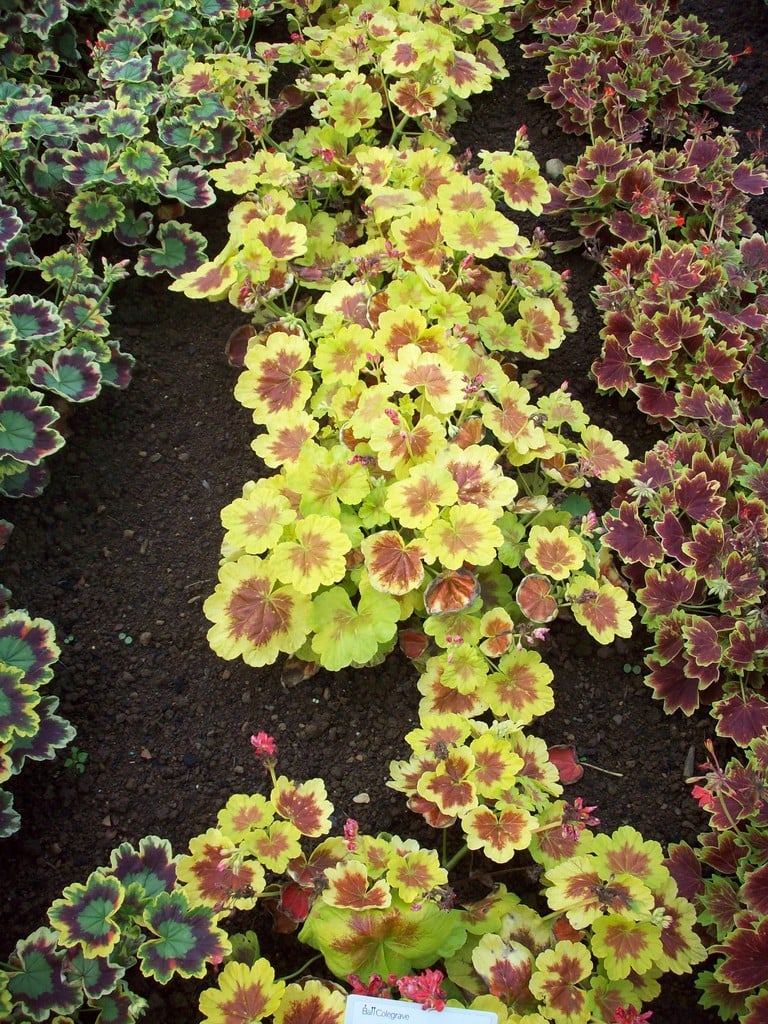
| Spring | Orange Red | Bronze Gold | ||
|---|---|---|---|---|
| Summer | Orange Red | Bronze Gold | ||
| Autumn | Bronze Gold | |||
| Winter | Bronze Gold |
Position
- Full sun
Aspect
South–facing or West–facing or East–facing
Exposure
Sheltered Hardiness
H1CBotanical details
- Family
- Geraniaceae
- Native to GB / Ireland
- No
- Foliage
- Evergreen
- Habit
- Bushy
- Genus
Pelargonium can be perennials, sub-shrubs or shrubs, sometimes succulent and mostly evergreen, with palmately lobed or pinnately divided leaves and clusters of slightly irregular, 5-petalled flowers
- Name status
Accepted
- Horticultural Group
- Dwarf pelargoniums are compact Zonal types, a little larger than Miniatures, and growing to 20cm, with single or more typically double flowers; well suited to containers
How to grow
Cultivation
Requires frost-free conditions. Feed with a high potash fertiliser during the growing season to encourage flowering. See pelargonium cultivation
Propagation
Propagate by cuttings in spring or summer
Suggested planting locations and garden types
- City and courtyard gardens
- Mediterranean climate plants
- Patio and container plants
Pruning
Deadhead to encourage more flowers
Pests
Generally pest-free, but may be susceptible to aphids
Diseases
Generally disease-free, but may be susceptible to pelargonium rust and pelargonium viruses
Get involved
The RHS is the UK’s gardening charity, helping people and plants to grow - nurturing a healthier, happier world, one person and one plant at a time.