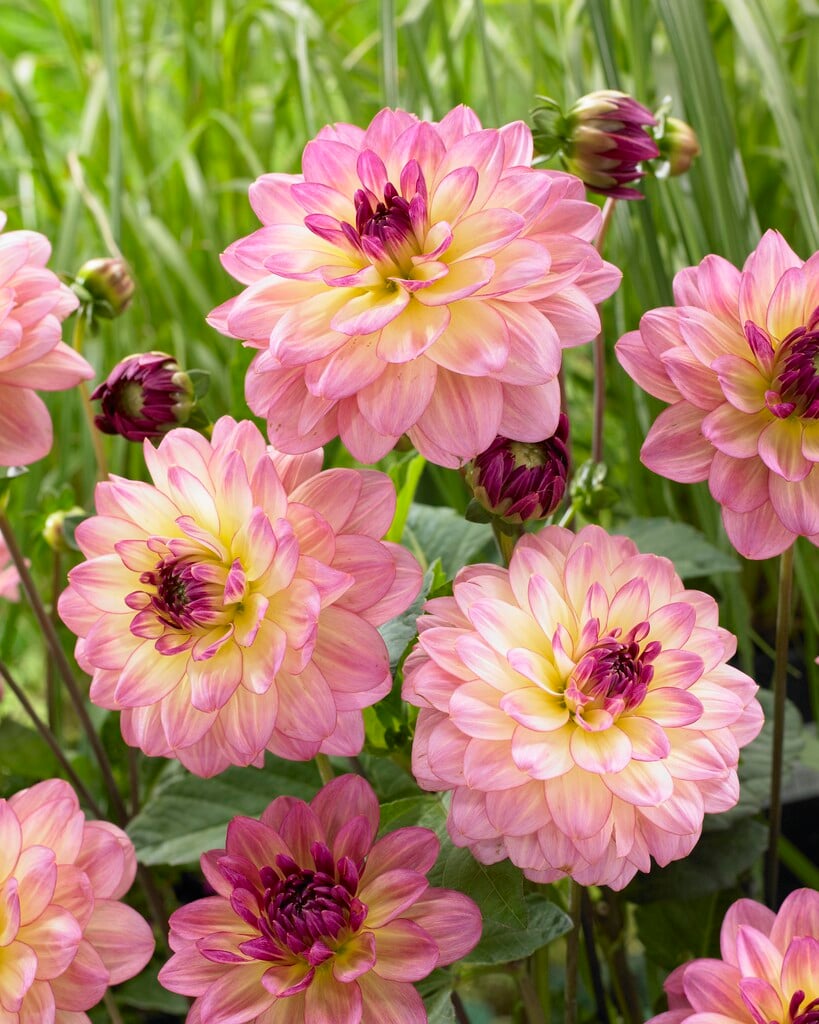
Dahlia 'Zingaro'

RHS Plant Profile
dahlia 'Zingaro'
dahlia 'Zingaro' visionspictures.com
Bedding Herbaceous Perennial

A tuberous perennial to around 70cm in height, with dark stems and dark green foliage. Large, decorative dark red-purple buds open to pale yellow flowers, lilac-pink at the edges and dark reddish-purple at the centre

Position

Full sun

Soil Types

Clay, Loam, Sand

Size

Time to Maturity
1–2 years

Growing Conditions

Clay Loam Sand
Moisture
Moist but well–drained or Well–drained
pH
Acid or Alkaline or Neutral

Position

Full sun
Aspect
South–facing or West–facing
Exposure
Sheltered
Hardiness
H3

Colour & Scent

Season Stem Flower Foliage Fruit
Spring
Summer
Autumn
Winter

Botanical Details

Family
Asteraceae
Native to GB/Ireland
No
Foliage
Deciduous
Habit
Clump forming
Genus
Dahlia are tuberous rooted perennials with pinnately divided leaves and showy flowerheads, double in many cultivars, in summer and autumn
Name Status
Unresolved

How to Grow

Cultivation

Grow in fertile, humus-rich, moist but well-drained soil, in full sun. Pinch out growing tips to encourage bushy plants and stake taller dahlias, see staking perennials. Water freely in dry periods. Lift and store tubers in autumn to replant or use as a source of cuttings in spring. See dahlia cultivation and our video How to plant dahlia tubers and care tips

Propagation

Propagate by softwood cuttings taken in spring from shoots from stored tubers, or divide the tubers ensuring each division has a viable bud

Suggested planting locations and garden types

  • Architectural
  • City and courtyard gardens
  • Coastal
  • Cottage and informal garden
  • Patio and container plants
  • Bedding
  • Cut flowers
  • Flower borders and beds

Pruning

Deadhead spent flowers to encourage further flowering. Cut back to near ground level in autumn, before lifting and storing for the winter

Pests

May be susceptible to aphids, leaf miners, glasshouse red spider mite and slugs. Earwigs sometimes damage blooms. Capsid bug and caterpillars are occasional pests

Diseases

May be susceptible to Powdery mildews in dry conditions. In wet weather grey moulds and other fungal rots can be a problem. Fungal rots can also damage stored tubers. A virus may cause stunting, leaf markings and distortion