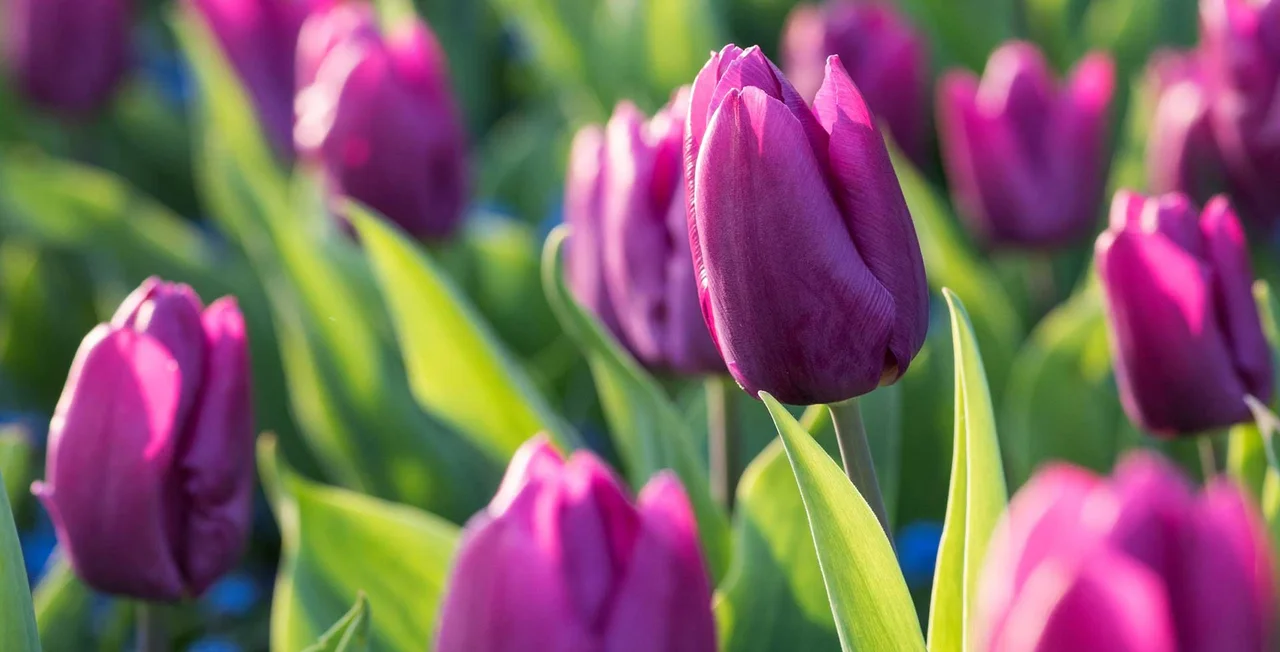
RHS / Philippa Gibson
 Appearance
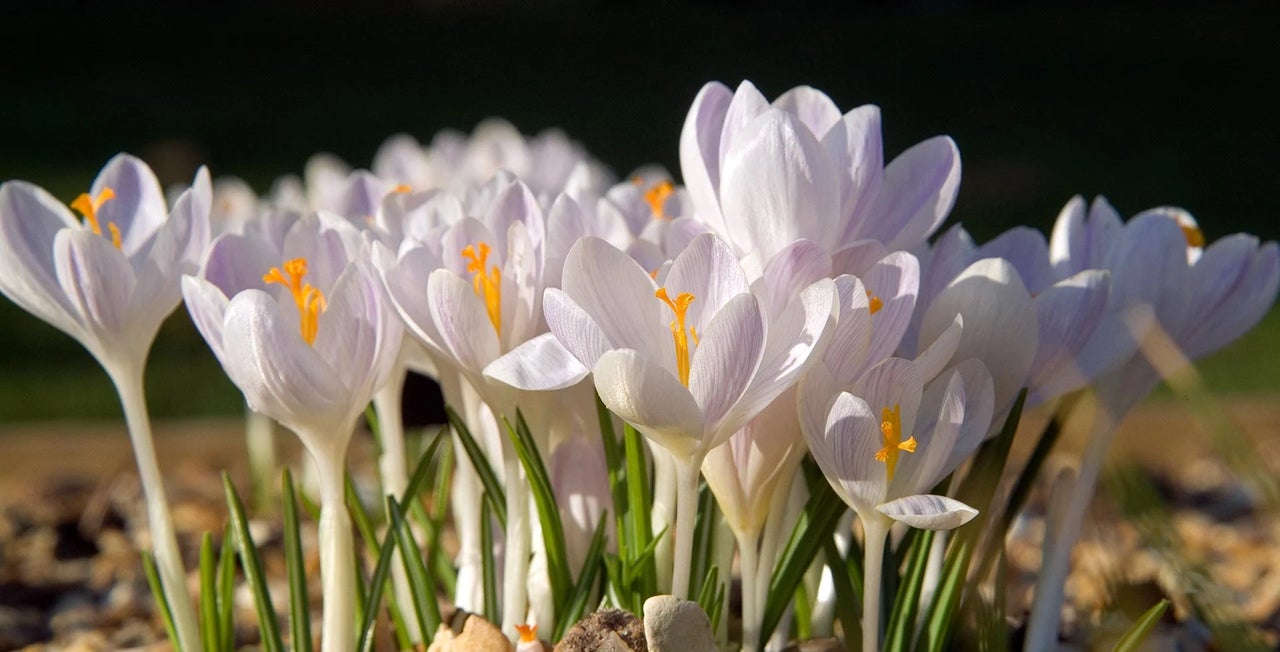
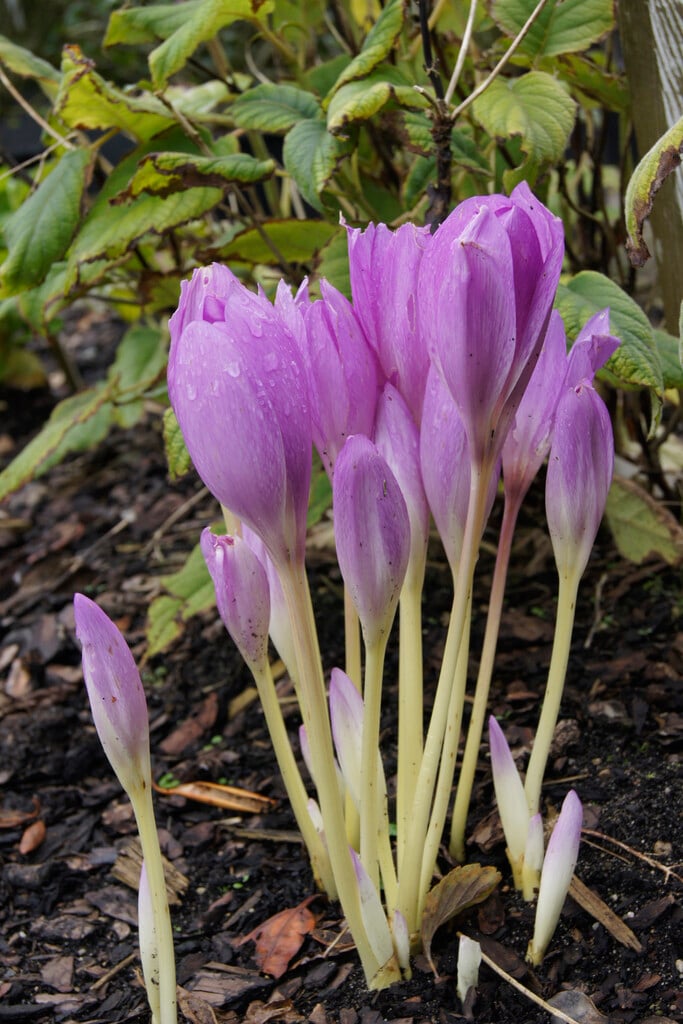
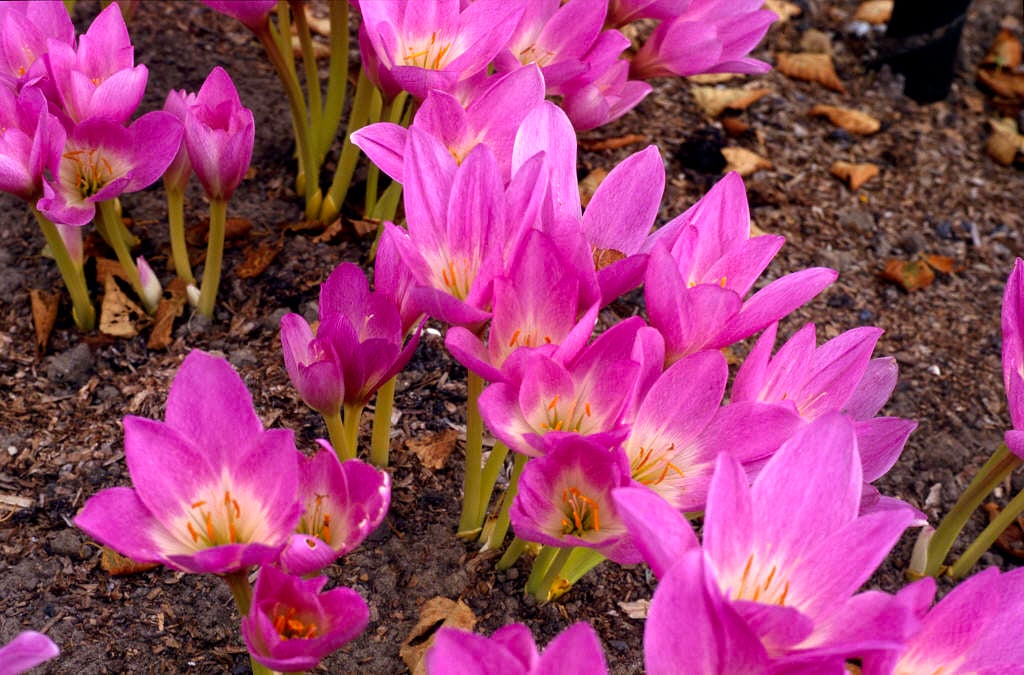
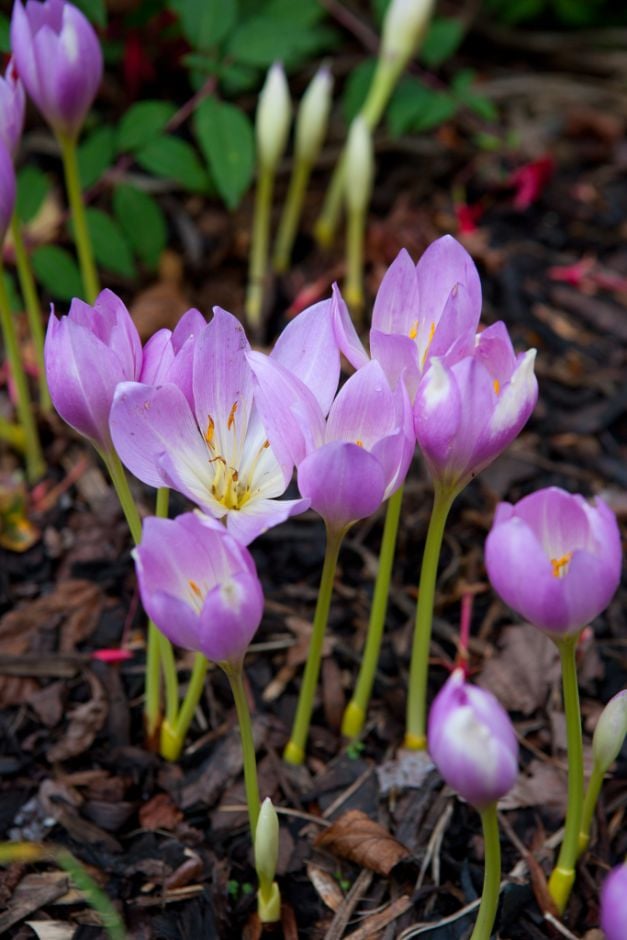
The most widely grown Colchicum produce goblet-shaped flowers in shades of pink and lilac or white and appear in early autumn. The strap-like foliage emerges in spring and dies back by late summer, leaving the plant dormant through the warmer months.
Preferences
They prefer a sunny or partially shaded position in fertile, well-drained soil. Colchicum are particularly effective when planted in groups, where their sudden autumn display makes the most impact. Once established, they require minimal attention.
Dislikes
They dislike overly wet or poorly drained soils, especially during dormancy. Colchicum can be damaged by division or transplanting while in active growth, so should be moved only when fully dormant.
Did you know?
Despite the common name ‘meadow saffron’ they are not the source of culinary saffron. In fact, all parts of Colchicum are toxic if eaten, containing the compound colchicine, once used medicinally but dangerous in larger quantities.
RHS Growing Guide

FREE
Read our comprehensive free RHS Growing Guide:
How to grow bulbs

Introducing Colchicum
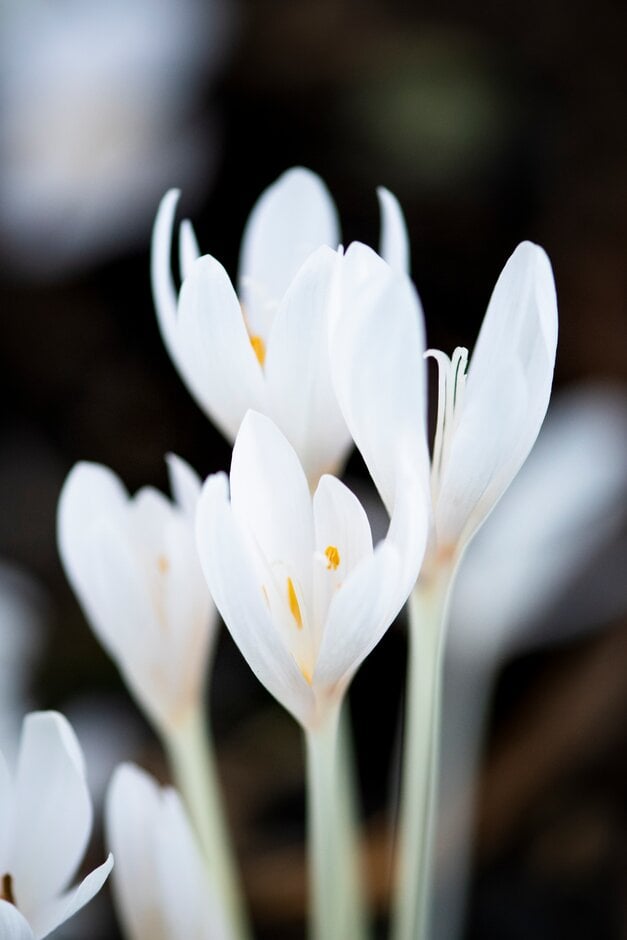
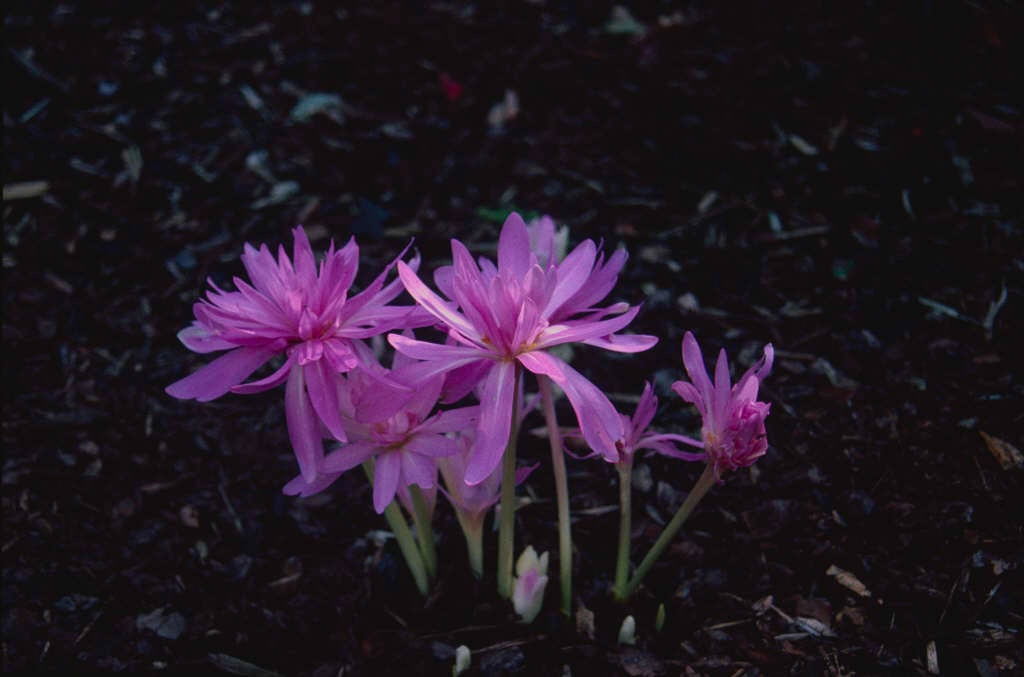
Colchicum speciosum 'Atrorubens'
giant meadow saffron 'Atrorubens'
- Height
- 0.1–0.5 metres
- Width
- 0–0.1 metre
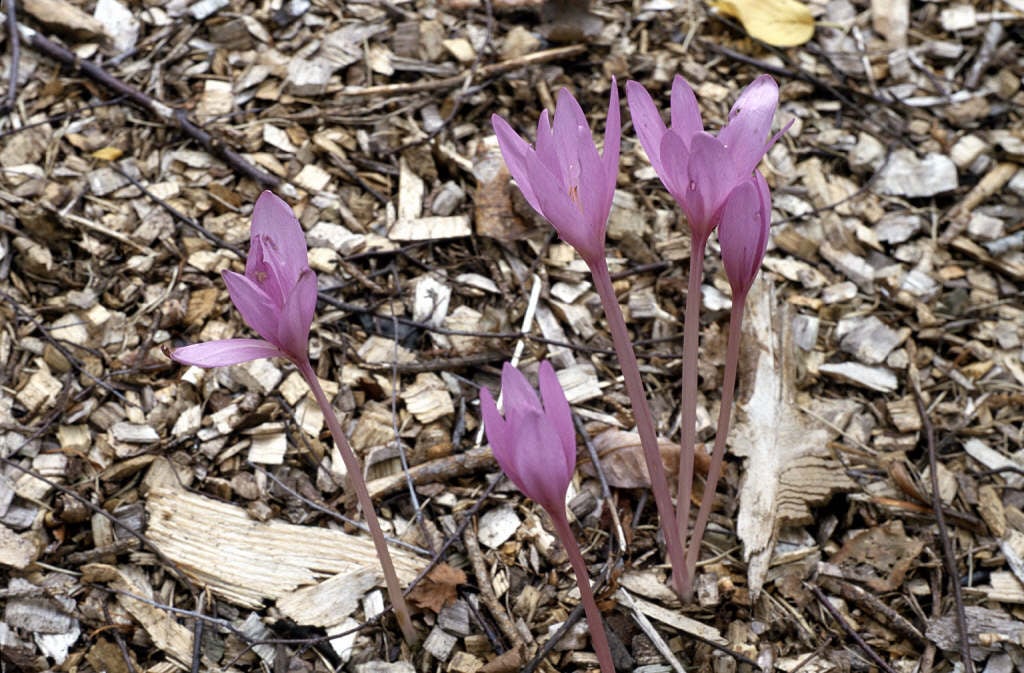
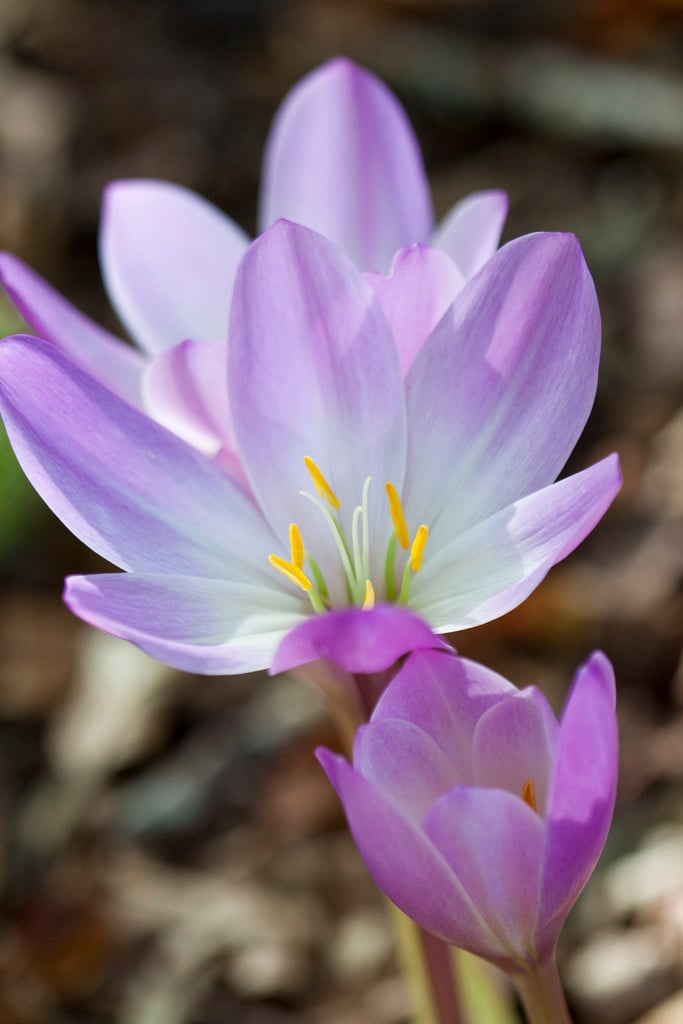
Colchicum autumnale subsp. pannonicum 'Nancy Lindsay'
meadow saffron 'Nancy Lindsay'
- Height
- 0.1–0.5 metres
- Width
- 0.1–0.5 metres
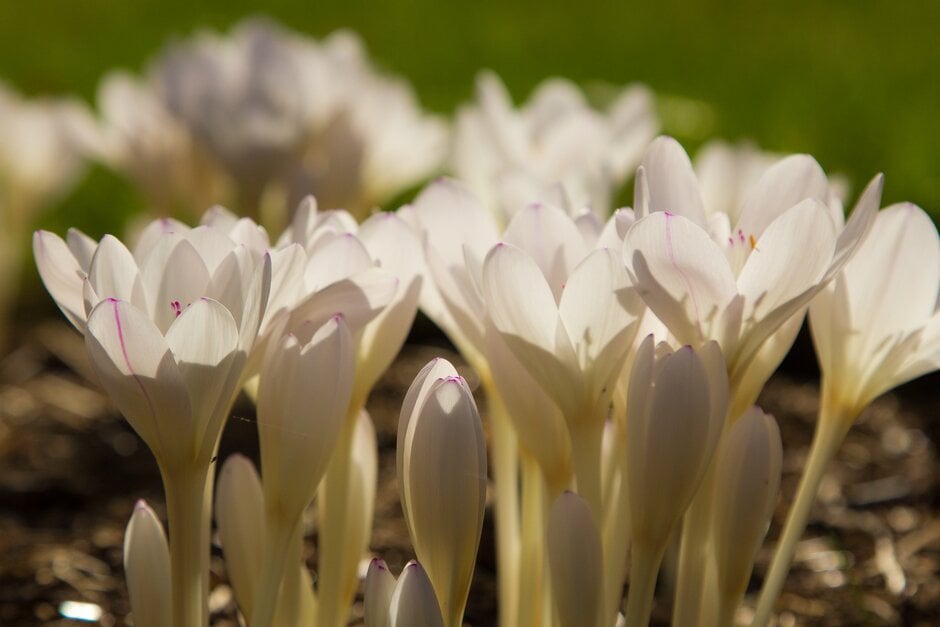
Colchicum × byzantinum 'Innocence'
Byzantine meadow saffron 'Innocence'
- Height
- 0.1–0.5 metres
- Width
- 0.1–0.5 metres
x of x
Showing
x to x
of x