Quick Facts
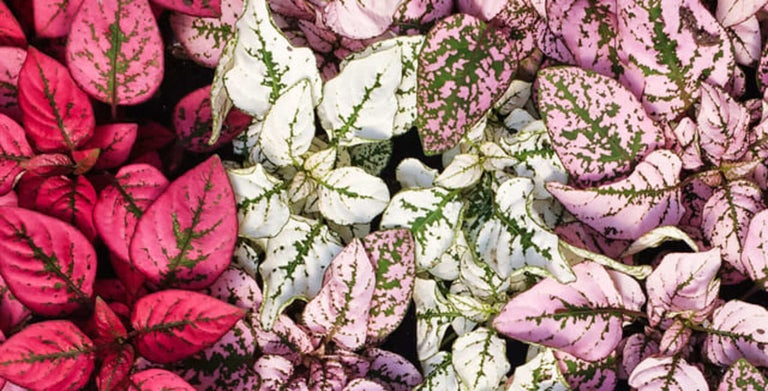
Leaves are brightly speckled with red, pink or white
1
Small, bushy plants with a lush, tropical appearance
2
They like bright, indirect light – for the best leaf colour, avoid poorly lit locations
3
Moderate to high humidity keeps them looking their best
4
An ideal terrarium plant
5


Before you get started
What are hypoestes?
These small houseplants are also known as polka dot plants, although their brightly coloured leaves aren’t regularly spotted as this name implies – instead they’re often almost entirely splashed with colour. Different cultivars come in various shades of either pink, red or white, some with very little green, others with more.
Plants can grow to about 30cm (1ft) tall over time, but can be kept low and bushy by pinching out any tall, straggly shoots and flower stems.
As they need humid air, they are ideal for growing in a , or a humid bathroom. In dry air, the leaves can start to turn brown. Especially when sold in small pots, these plants can be relatively inexpensive, so it’s easy to put together a vibrant collection. Planting several different colours in one container can look very striking.
Choosing hypostes
Although only one species, Hypoestes phyllostachya, is widely sold as a houseplant, there are many cultivars that are very varied in appearance. Leaves splashed with red, pink and white are common, but these colours can range in intensity from bright magenta to coral, lavender and cream.
Select healthy plants that show no signs of withering, leaf browning or damage, and have well-developed roots. Inspect the leaves for any insects too.
Buying hypoestes
Hypoestes are often sold in multi-packs or as reasonably priced small potted plants in the houseplant area of garden centres and from online retailers. Although generally sold without names in mixed selections, you may see the following for sale:
- ‘Carmina’ – reddish-pink
- ‘Rose Splash’ – rose pink
- ‘White Splash’ – bright white
- ‘Pink Splash’ – lavender pink
Common name
Hypoestes may also be sold under their common name of polka dot plant.
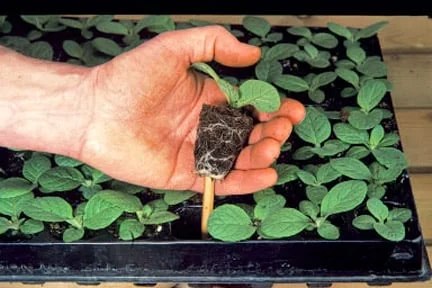
Planting
Hypoestes grow well planted in a or large glass jar, where the is high. See our video guide to planting a terrarium:
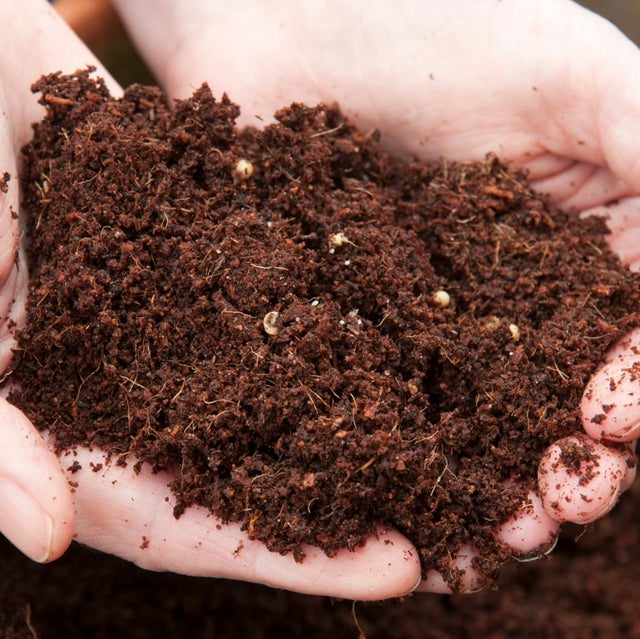
Alternatively, plant individually in a small pot or as a collection of different leaf colours in a larger pot. Use a moisture-retentive peat-free houseplant or peat-free multi-purpose compost.
Repot every two or three years, once the roots fill the container. See our guides on repotting houseplants:
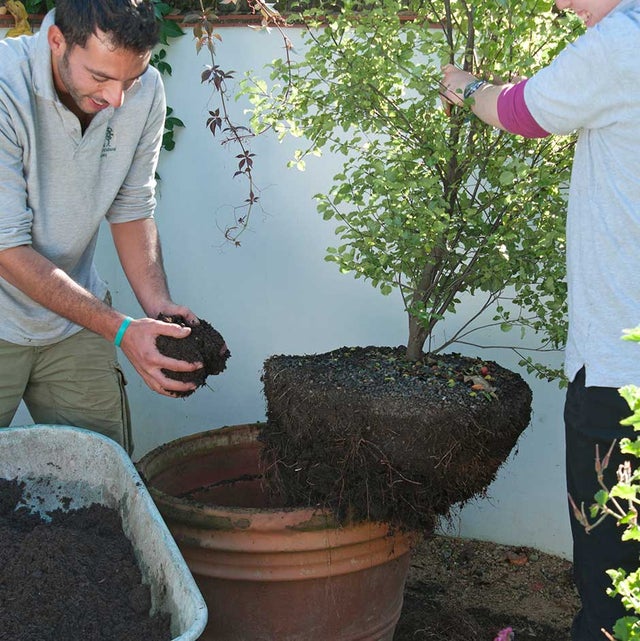
Ongoing Care
Location
Hypoestes like , so grow best in a terrarium. A bright steamy bathroom or kitchen is also a good location. Humidity can also be created elsewhere by standing the pot on a wide tray filled with gravel or clay granules that’s topped up with water regularly.
To ensure the best leaf colour, hypoestes need plenty of light, but not direct, strong sunshine. The temperature should always be at least 12°C (54°F).
Top Tip
Ideal locations include a north- or west-facing windowsill or behind frosted glass (such as in a bathroom). Avoid direct summer sun, which can fade the vibrant colours and scorch the leaves.
Watering
Keep the moist but allow the surface to dry out slightly between waterings. Underwatered plants will show you they need watering by drooping or wilting. Although this looks worrying, they will soon recover once watered thoroughly (provided you don’t leave it too long).
If grown in a or sealed glass container, they need watering less frequently, as the high humidity means the compost doesn’t dry out as quickly.
For more on watering houseplants, see our quick video guide:
Humidity
Hypoestes need high humidity to keep their foliage looking good – in dry air the leaves start to brown at the edges. The easiest option is to plant them in a terrarium, or keep them in a steamy bathroom. Alternatively, you can raise the humidity by misting the leaves regularly, or sitting the pot over a tray of damp gravel. See our video guide for full details:
Top Tip
Avoid keeping these plants in places where the air is particularly dry, such as near a radiator or open fire.
Feeding
To boost growth you can feed during the (April to September) every two or three weeks using a liquid general-purpose or houseplant fertiliser. Follow the manufacturer’s instructions to avoid overfeeding, which can lead to tall, spindly shoots.
Pruning and Training
Remove browning or dead leaves and stems as needed to keep plants looking their best.
If growth becomes spindly and tall, the shoot tips, along with any flowers, to encourage bushiness.
Propagating
Hypoestes is easy to propagate using the following methods:
- Divide a large clumpin spring by separating the into several pieces with your hands, then pot up individually. Ensure each new plant has three or more stems
- Sow seeds in spring onto moist , pressing them down gently, but not covering them (light stimulates their ). Prick out the and pot up individually. The amount of colourful spotting on plants grown from seed can be variable. Seeds are available from a few online stockists
- Take softwood stem-tip cuttingsin spring and summer. Cut a stem around 5cm long from the plant, severing just below a pair of leaves. Insert into a pot of moist peat-free compost. Keep humid (in a or sealed clear bag) until well-rooted
Top Tip
Cuttings will also root in water on a bright windowsill. Once they’ve grown plenty of roots, pot them up.
Problems
Although generally trouble free, these plants are sometimes susceptible to:
- Leaf yellowing and leaf drop – caused by poor growing conditions such as over- or underwatering. See our quick video guide to houseplant watering
- Loss of leaf colouring – leaves may become green due to reversion or insufficient light, while too much sun can fade the vibrant colours
- Browning leaf tips and margins – may be caused by low . Watch our video guide to raising humidity
- Spindly, weak growth – if plants don’t get enough bright, indirect light. See our quick video guide to light levels
- -sucking insects – look out for mealybugs, aphids and red spider mites
- Powdery mildew – especially when plants are too dry, due to underwatering and/or low humidity