Quick Facts
Flowering houseplants with a tropical look
1
Most flower in autumn to winter
2
Branching stems carry lots of small flowers, often yellow
3
Keep at 13–25°C (55–77°F) in bright light, but not summer sun
4
Water and feed regularly
5


Before you get started
What are ‘warm growing’ oncidiums?
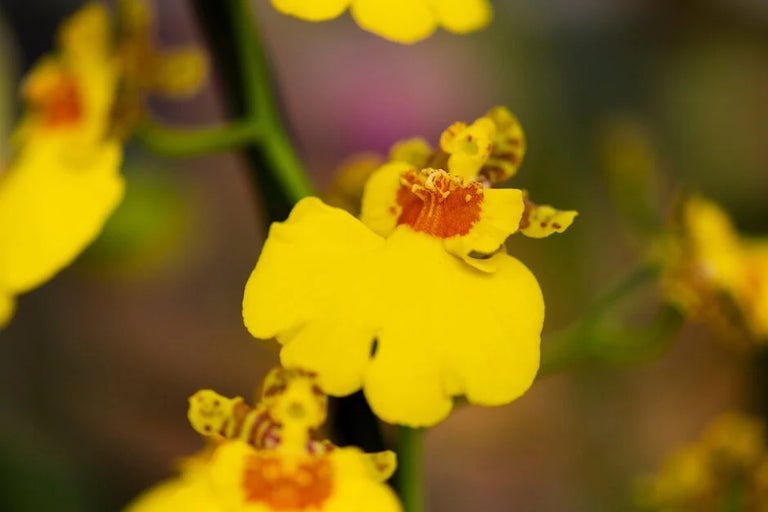
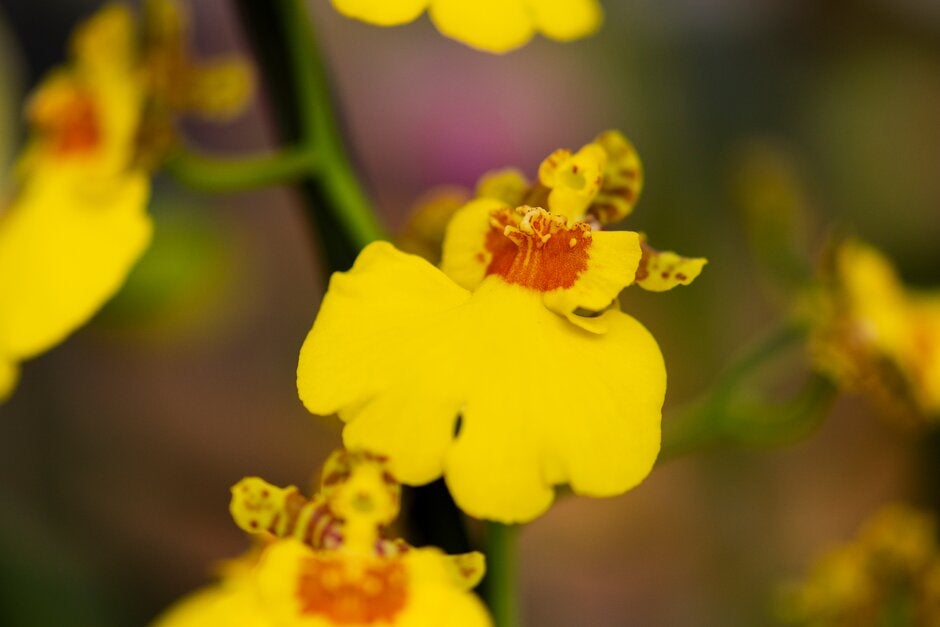
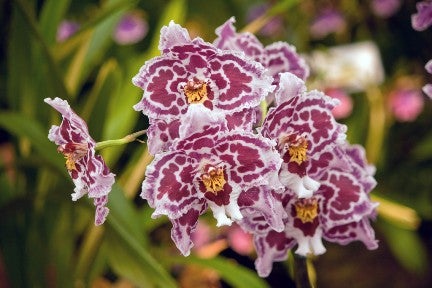
These are tropical and sub-tropical orchids, popularly grown as houseplants. They are magnificent in flower, with one plant producing multiple branching stems of small, dainty blooms. The effect is like a cloud of exotic butterflies, and if you look closely, each individual flower resembles a dancing lady. The flowers are often yellow, but can also be pink, reddish-purple or white, and they can be flecked or striped with maroon or white. Narrow evergreen leaves, up to 60cm (2ft) long, sprout from large pseudobulbs (swellings) at the base of the plant.
In addition to these ‘warm growing’ oncidiums, there are also ‘cool growing’ oncidiums (formerly called Odontoglossum) – for advice on growing these, see our guide to cool growing oncidiums.
Choosing warm growing oncidiums
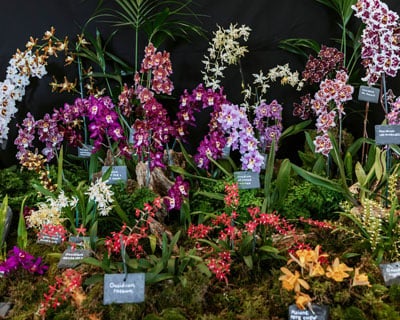
There are many species and hybrids to choose from, with flowers in various colours and often speckled or streaked.
For inspiration, visit the Glasshouse at RHS Garden Wisley, which is home to over 3,000 orchids, including many oncidiums. Also visit RHS Shows, where you’ll find spectacular displays by leading orchid nurseries.

Buying oncidiums
For the widest choice, try specialist orchid nurseries and tropical plant suppliers. Oncidiums may also be available from larger houseplant retailers, especially online.

Planting
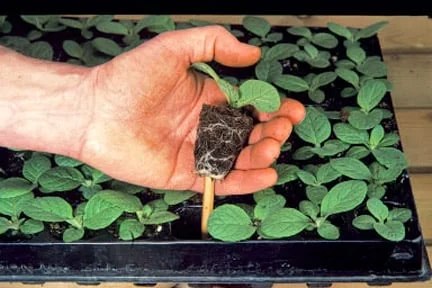
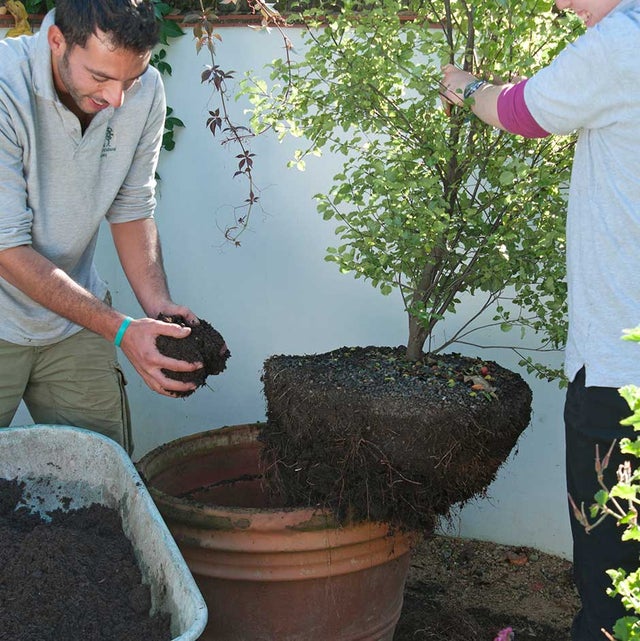
These oncidiums can usually stay in their original pot for the first couple of years. They prefer their roots to be quite tightly packed and don’t like root disturbance, so only repot when necessary – once the -based has deteriorated or there is no room in the pot for new growth. This will be about every two years. Repot after flowering, either in February to April or September to October.
Oncidiums produce new pseudobulbs (swellings at the base) beneath the existing ones. When repotting, allow sufficient room for the plant to increase its diameter by two or three new pseudobulbs and root down into the compost. New pseudobulbs shouldn’t overhang the sides of the pot. Oncidium roots are very delicate, so handle carefully when repotting. Cut off any dead or unhealthy roots, which may be brown, soft or papery. Healthy roots should be white and firm.
Replant in the new container using very free-draining, bark-based orchid compost. Oncidiums like plenty of air around their roots, so keep the compost loose. Position the plant at the same level it was previously growing.
Also see our guides to repotting houseplants:
Ongoing Care
Location
These oncidiums like a warm, bright location indoors. They are more forgiving of bright or even direct light than other popular orchids. They can cope with direct sun in the morning or evening, and prefer bright or even very bright conditions. East- and west-facing windowsills are perfect, and south-facing windows are usually fine if plants are given a little shading from intense summer sun. Just take care when in flower, as strong sun can damage the blooms. These oncidiums like as much or air movement as possible, but not cold draughts.
TOP TIP
How can you tell if your oncidium is getting the correct amount of light? Check the colour of the leaves – they should be bright green. Reddish-green indicates too much light, and dark green too little.
Temperature
Warm growing oncidiums, as the name suggests, like warmth – they generally need about 18–25°C (65–77°F) in the day and 13–17°C (55–63°F) at night. A drop in temperature at night helps to encourage flowering. Windowsills are ideal locations, as they are usually cooler at night.
Watering
- From spring to autumn – water every few days, but allow the to become a little dry between waterings
- In winter – reduce watering to once a month or less. They can withstand considerable drought because their large pseudobulbs (swellings at the base) act as water stores. Wrinkled pseudobulbs generally mean they aren’t getting enough water.
Use rainwater or filtered water whenever possible, especially in hard water areas. Water from above, making sure any excess can drain away. Don’t leave plants sitting in water, as this can lead to rotting.
Be careful not to overwater oncidiums, as their large fleshy pseudobulbs and roots are prone to rot if the compost is too damp. If you see a pseudobulb beginning to rot, cut it out with sterile secateurs then reduce watering.
Humidity
These plants love humid air, especially in warm temperatures. The ideal level is 55–75 per cent, and it should never be below 40 per cent. To increase humidity:
- Place the pot on an upturned plant saucer in a tray of damp gravel
- Mist the leaves regularly
For more tips, see our quick video guide:
Feeding
Warm growing oncidiums need regular but light feeding throughout the . Apply a weak orchid fertiliser, diluted to quarter-strength, every second or third watering from spring to autumn.
Encourage flowering
These oncidiums usually flower in autumn to winter, sending up several branching flower stems that carry lots of small yellow blooms. A large plant can produce six or seven sprays of blooms.
A drop in temperature of about 5°C (10°F) at night may help to stimulate flowering. A windowsill is an ideal location for them, as the temperature will usually fall naturally at night.
RHS/Louise Bargus
Pruning and Training
No pruning or training is necessary, apart from cutting off the old flower stems at the base after all the blooms have faded.
Propagating
Many warm growing oncidiums form large clumps over time. These can be divided into several smaller new plants when repotting, which is best done after flowering in February to April or September to October. It’s a simple process:
- Remove the plant from its pot
- Cut the clump into several sections, each with at least three pseudobulbs (swellings at the base)
- Pot up each new plant into its own small container, using -based orchid . Depending on their size, the new plants may take a few years to start flowering
Problems
Warm growing oncidiums are generally healthy and disease free. But if their growing conditions aren’t correct, they may develop the following symptoms:
- Wrinkled pseudobulb – usually due to a lack of water
- Black, rotten roots – a sign of overwatering
- Reddish-green leaves – too much light
- Dark green leaves – too little light
Also look out too for -sucking insects, including: