Quick Facts
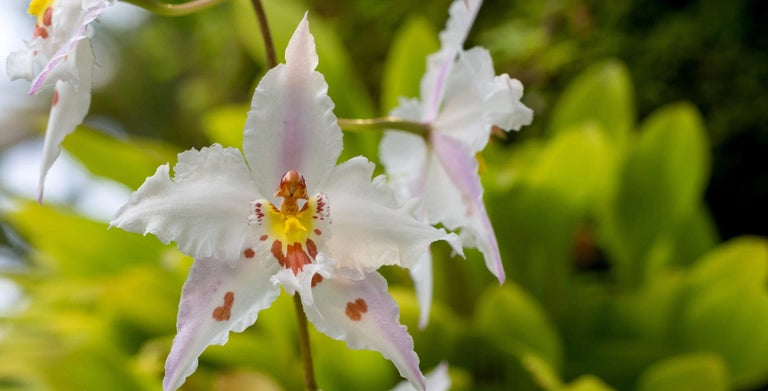
Tender orchids with exotic flowers, usually in autumn/winter
1
Can be tricky to grow as houseplants – Cambria types are the most suitable
2
Often sold under their former name of Odontoglossum
3
Position in a cool room, or in a cool conservatory or greenhouse
4
Provide bright light, especially in winter, and high humidity
5


Before you get started
What are ‘cool growing’ oncidiums?
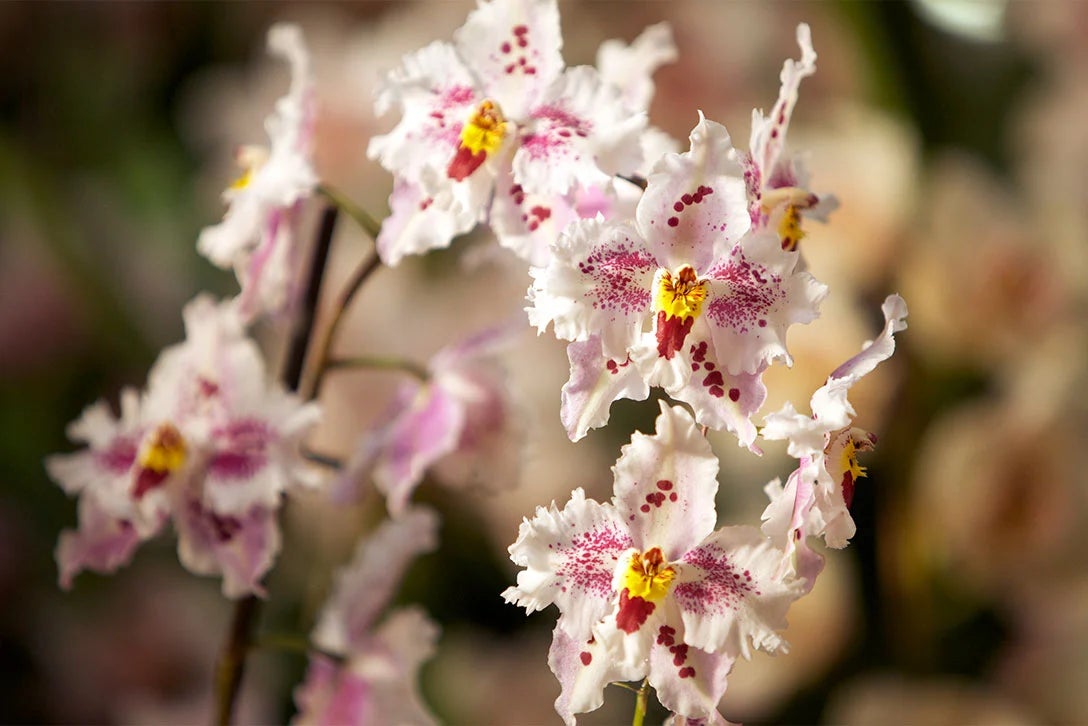
This group of tender orchids used to be known as Odontoglossum (tiger orchids). They’ve been reclassified as Oncidium, but they need cooler growing conditions than traditional oncidium orchids (which like warm temperatures so are now known as warm growing oncidiums). They are sometimes still sold under their previous name of Odontoglossum.
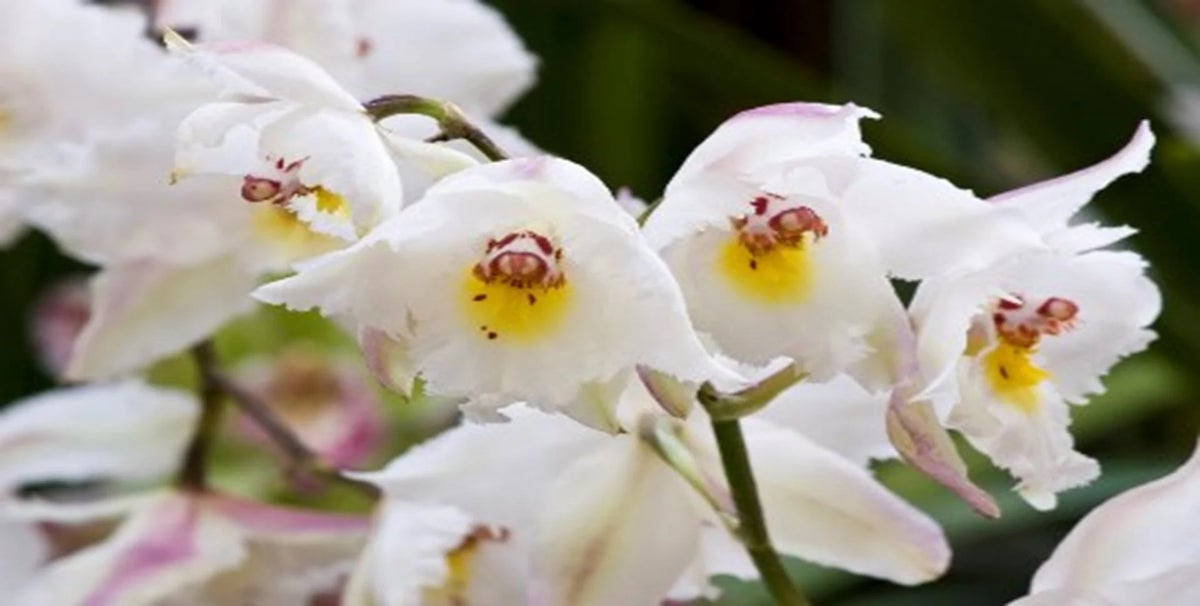
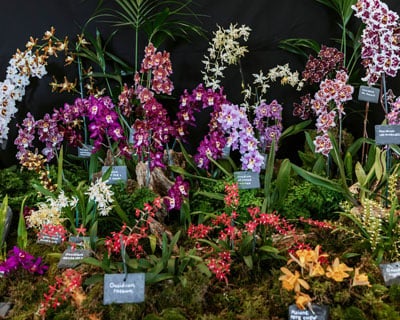
They can flower at any time of year, but most do so in late autumn, winter or spring. The flowers can be various colours, depending on the species, including white, pink and reddish-purple, often with darker speckles. The flower stems sprout from swellings at the base of the plant, known as pseudobulbs – each of these will only ever produce one flower stem, once it reaches maturity. As new pseudobulbs reach a sufficient size, they will in turn flower.
These orchids are generally more tricky to look after than many popular houseplant orchids, so are not the best choice for inexperienced orchid growers. The easiest are the hybrids sold as Cambria orchids, which are suitable for a cool north- or east-facing windowsill indoors, or a cool greenhouse or conservatory. However, many others in this group aren’t ideal as houseplants, generally needing cooler temperatures than most homes offer, so they’re best grown in a cool greenhouse or conservatory.
Choosing ‘cool growing’ oncidiums
There are many species and hybrids of cool growing oncidiums, with flowers in a choice of colours, on stems ranging in height from just 30cm (1ft) up to 1.2m (4ft). Many can be challenging to grow in our homes, but the most suitable as houseplants are the Cambria types, which should be happy in a cool, bright room. Most other cool growing oncidiums are more suitable for a cool conservatory/greenhouse (kept above 11°C/20°F in winter).
Among the many complex hybrids, the following have an RHS Award of Garden Merit (AGM), which means our experts recommend them as reliable choices:
- × Aliceara Peggy Ruth Carpenter gx
- × Oncidesa Sweet Sugar gx (fragrant)
- Oncidium Twinkle gx (fragrant)
- × Oncidopsis Nelly Isler gx (fragrant)
- × Oncostele Wildcat gx
Species Oncidium (often sold as Odontoglossum) can be more challenging to grow, but these are recommended for a cool conservatory/greenhouse:
- O. alexandrae
- O. cirrhosum
- O. crispum
- O. nobile
- O. spectatissimum
RHS/Julian Weigell
For more inspiration, visit the Glasshouse at RHS Garden Wisley, where you’ll see all kinds of tender orchids, including oncidiums. Many of the RHS Shows also feature spectacular displays by leading orchid nurseries.

Buying oncidiums
Some cool growing oncidiums may be available from larger garden centres or tropical plant retailers, but they’re mainly sold by specialist orchid suppliers. The most readily available are the easier-to-grow Cambria hybrids.



Planting
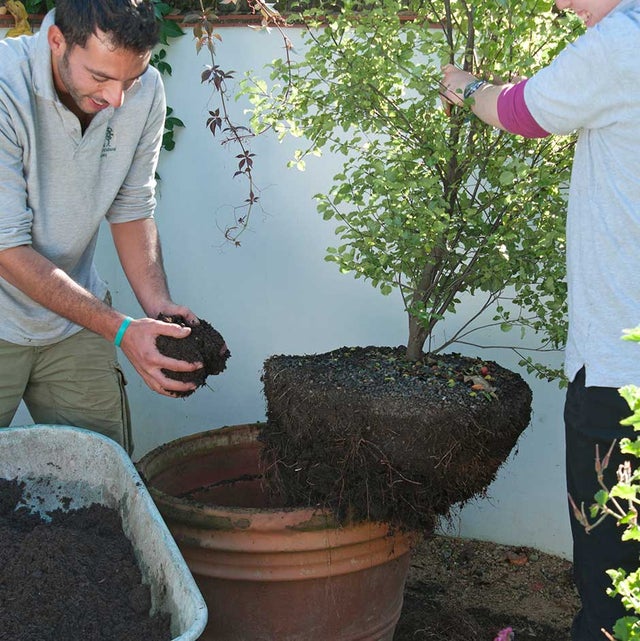
Oncidiums can usually stay in their original pot for the first couple of years. But once the -based has deteriorated or there is no room in the container for the new growth, then it’s time to repot. This is best done from February to April or late August to early October. The exact timing will vary – wait until the young shoot is 2.5–7.5cm (2–3in) tall.
Choose a container that’s only slightly larger than the previous one, to avoid problems with overpotting. In an overly large container, the excess compost can hold onto moisture and encourage root rot. Use a very free-draining, bark-based orchid compost, and position the plant in its new container at the same level it was previously growing.
See our guides to repotting houseplants:
Ongoing Care
Location
This group of oncidiums need filtered, subdued light. As houseplants, they do best in a north- or north-east-facing window. Don’t place them in the middle of a room, as this is likely to be too shady.
When grown in a cool greenhouse or conservatory, they need shade from late March to late September.
Temperature
Cool growing oncidiums are mainly from the high Andes and need a minimum night temperature of 11°C (52°F). This should rise in the day by 10°C (20°F) in spring and summer, and by 5°C (10°F) in autumn and winter. Temperatures a little outside these extremes can be tolerated, particularly by the hybrids. The drop in temperature at night helps to initiate flowering.
Watering
When growing as houseplants, check the weekly all year round and water when dry.
When growing in a cool greenhouse:
- In spring and summer – water weekly (or more frequently in hot weather)
- In autumn – when little heat is needed and light is reduced, you can usually reduce watering to fortnightly
- In winter – when the heating is on, water every seven to ten days
Use rainwater if possible, especially in hard water areas. Water from above, making sure any excess water can drain away. Never leave these plants sitting in water, as this can lead to rotting.
Humidity
Oncidiums like humid air, ideally between 60–70 per cent . You can raise humidity around your plants by standing them on a tray of damp gravel, but make sure they don’t sit directly in the water. For more tips, see our video guide:
In a greenhouse, don’t worry too much if the humidity drops in summer when the vents are open. You can raise the humidity by ‘ ’ the greenhouse floor, by pouring water onto it, in the early evening.
Feeding
Most oncidium hybrids grow continuously all the year round, so should be fed throughout:
- February to August – apply an orchid fertiliser or high nitrogen fertiliser (20:10:10 for example) at half-strength, with every other watering
- September to February – either continue applying high nitrogen fertiliser or switch to a fertiliser higher in potassium (such as 4:4:8) or an orchid fertiliser formulated to encourage flowering, applying at half strength with every other watering.
A foliar feed, such as an orchid mist, can occasionally be applied to the leaves as a tonic.
Pruning and Training
No pruning or training is needed, except cutting the flower stems down to the base once the blooms have faded.
Propagating
Oncidiums can be propagated by dividing the clump, but only do this once the plant is overcrowded in its pot. The best time to divide oncidiums is in spring, just after flowering:
- Cut through the that join the pseudobulbs (swellings at the base), making sure the new plants have at least three healthy pseudobulbs, each with a growing shoot
- Trim off any dead roots and remove any brown and shrivelled pseudobulbs
- Pot up the new smaller plants into individual pots, using free-draining, -based orchid
- The new plants should flower in two to three years
Problems
Oncidiums can be tricky to grow, most needing specific temperatures, light levels and watering/feeding regimes to grow and flower well. Overwatering and overpotting may cause the roots to rot. For full growing instructions, see Ongoing Care, above.
Check plants regularly for:
- aphids
- mealybugs
- red spider mites
- slugs and snails when grown in a greenhouse
For more houseplant care tips, see the following guides: