Quick Facts
Compact, bushy or trailing houseplants
1
Attractive, colourful foliage, often striped, splashed, ridged or textured
2
Tropical species need warmth, humidity and indirect light
3
A few succulent species need free-draining cactus compost
4
Small tropical peperomias are ideal in terrariums
5
Avoid overwatering and direct sun in summer
6


Before you get started
What are peperomias?
Peperomias are compact houseplants available in a wide diversity of colours and forms. They’re grown for their attractive leaves, which are often thick and fleshy, in various shapes and colours, ranging from metallic silver to purple, either plain, striped or variegated, and frequently puckered or ridged. The stems can be bushy, vining or trailing. Although they will flower, they’re not particularly decorative – usually just thin cream or green spikes.
Most of the peperomias we grow as houseplants originate in humid tropical forests, where light levels are low. They grow either on the shady forest floor or higher up in the filtered light of the tree canopy, where they root onto tree branches (growing as epiphytes). Here they have less access to water, so many developed fleshy, succulent leaves that can store moisture, to help them survive. Some species are found in semi-arid habitats, but these are not widely available as houseplants.
Peperomias are generally easy, low-maintenance plants to grow in the home and are forgiving of occasional neglect. Their compact size makes them suitable for even the smallest living spaces, and with so many to choose from, they are ideal for collecting. Young plants and smaller species are perfect for terrariums and bottle gardens.
Choosing peperomias
Popular peperomias to grow as houseplants include:
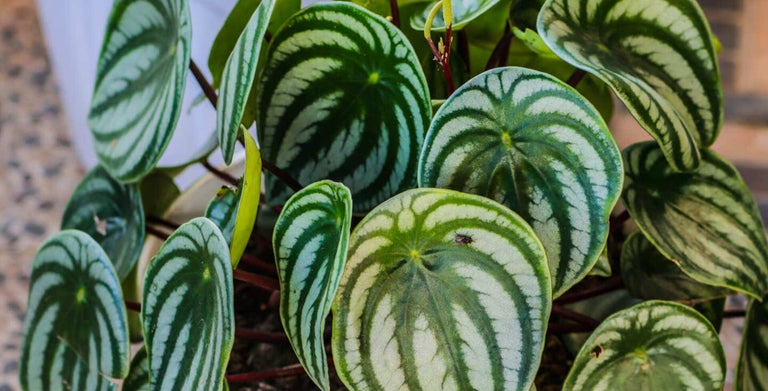
- watermelon peperomia (Peperomia argyreia)– probably the best-known species, with boldly striped leaves that resemble the skin of a watermelon
- emerald ripple pepper (P. caperata)– green or red leaves with a two-tone corrugated texture
- baby rubber plant (P. clusiifolia) – glossy, rounded leaves, green with a red edge, like a small rubber plant
Trailing peperomias, which are ideal for a hanging planter or on a shelf or mantelpiece, include:
- string of turtles (P. prostrata) – long, trailing stems and leaves that look like small turtles
- variegated Cupid peperomia (P.nitida ‘Variegata’) – trailing stems clad in heart-shaped leaves, edged with yellow
Peperomias from drier locations have smaller, very fleshy (succulent) leaves where they can store moisture. These are not widely grown as houseplants, but Peperomia macrorhiza is sometimes available.
Buying peperomias
You will find a selection of tropical peperomias in the houseplants section of most garden centres and other houseplant retailers. When buying, look for the healthiest plant, with strong growth, plenty of roots and undamaged leaves.
Common names
Peperomias may be sold under a confusing array of common names, usually based on the appearance of their leaves. These include radiator plant, string of turtles and happy bean plant. So if you’re unsure if it’s a peperomia, check the small print on the plant label, as this should give the botanical name too.
Planting
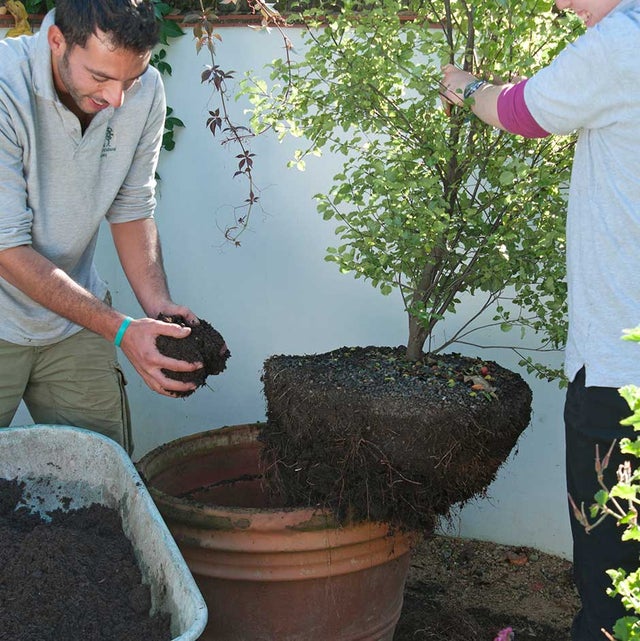
Most peperomias are slow growing, so can usually stay in their original container for two or three years, or until the roots start to get densely packed or appear through the drainage holes in the base. Spring is the best time to repot peperomias.
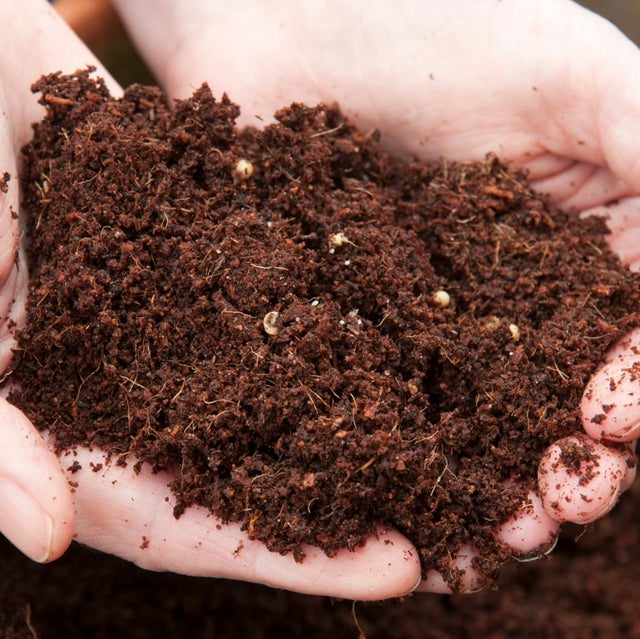
Most peperomias prefer an acidic that is loose and free-draining – an ideal mix would be two parts peat-free compost, one part and one part medium orchid . Alternatively, a houseplant compost with added perlite should be fine. However, succulent peperomias from dry habitats, such as Peperomia macrorhiza, need a sharply draining compost suitable for cacti.
Always choose a pot that’s only a few centimetres larger than the . If the pot is too big, the compost will tend to stay wet for longer, which can cause the roots to rot.
Continue repotting every few years, once the roots fill the pot.
See our guides on repotting houseplants:
Small peperomias are great for planting in a or bottle garden, where they’ll thrive in the humid atmosphere. Watch our short video guide to planting up a terrarium:
Ongoing Care
Location
Peperomias are amazingly adaptive plants and will often grow successfully in less-than-ideal conditions. But the best location for them is a warm room, about 18–30°C (65–86°F), in bright but indirect or filtered light. An east- or west-facing windowsill is perfect, or set back from a south-facing window.
Direct sun in summer can scorch the foliage, although weaker winter sun is usually welcome. Too much shade can lead to poor, straggly growth. Keep them out of cold draughts and away from radiators.
Succulent peperomias from drier habitats (such as Peperomia macrorhiza) prefer a slightly cooler period in winter, so move these to a room that’s a little less warm, although not below 10°C (50°F), for the winter.
Watering
Take care not to overwater peperomias. Let the partially dry out between waterings – always check with your finger, rather than simply watering routinely. Watering too much or leaving the pot standing in water for long spells can lead to root rot, which can kill the plant. Reduce watering in winter, when growth is usually slower.
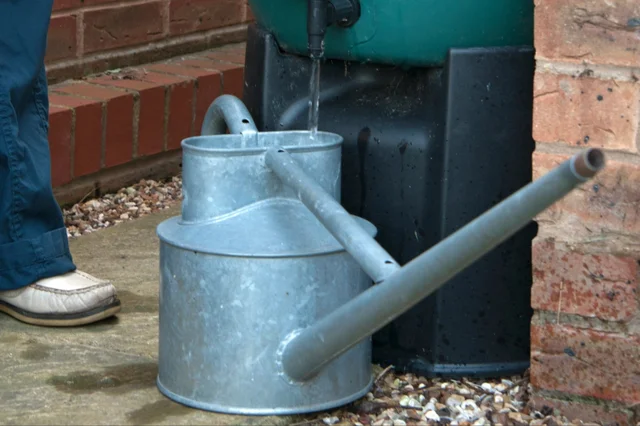
Peperomias are sensitive to fluoride in tap water, which can cause the leaf tips to turn brown. So use rainwater or filtered water whenever possible, preferably at room temperature.
Humidity
Peperomias are very adaptable and most are happy in the normal atmosphere of our homes. However, these tropical plants generally prefer humid air if possible, so an enclosed terrarium or a steamy bathroom are ideal locations.
If you notice the leaves turning brown, try raising the by standing the pot on a wide tray filled with damp gravel. For more tips on how to increase humidity, watch our quick video guide:
Feeding
To boost growth, feed every two weeks in the , from April to October, with a half-strength liquid fertiliser.
Pruning and Training
Remove any dead leaves and stems to keep plants looking tidy. If any stems become straggly or overly long, prune them back to encourage bushier growth.
Propagating
The easiest way to propagate peperomias is by taking softwood cuttings in spring and summer. Either plant these straight into a pot of gritty, free-draining , or stand them in a glass of water until they produce roots, then plant them.
Some peperomias with fleshy (succulent) leaves can also be propagated from leaf cuttings.
Problems
When given the correct growing conditions (see Ongoing care, above), peperomias are generally healthy, adaptable and trouble-free. However, take particular care with watering, as the roots are prone to rotting if kept too wet, causing yellowing and dropping leaves, and eventually the plant may collapse. Also look out for -sucking insects such as mealybugs, which can weaken the plants.
See the following guides for more tips: