Quick Facts
Plant in a sheltered north or east position in spring
1
Plant in soil improved with garden compost, ideally neutral to acidic
2
Keep the trunk and crown well watered throughout growing season
3
In winter, protect the crown with straw, bracken, or its own fronds
4


Before you get started
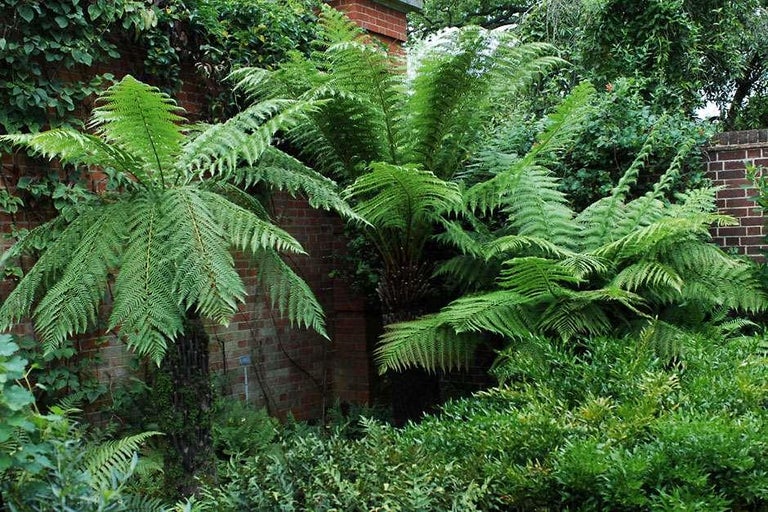
Make sure you can provide the right conditions for a tree fern (Dicksonia antarctica AGM):
- Tree ferns thrive in a humid and shaded position
- They will not tolerate temperatures below -5°C
- Allow room for your tree fern to spread. Fronds on mature specimens may reach 2m (6ft) or more in length
- Plant in a humus-rich, neutral to slightly acidic soil
- Choose a fern with a length of trunk that suits your planting scheme from the start; tree ferns only grow about 2.5cm (1in) a year
- If you are buying a young tree fern without a trunk, make sure you are able to overwinter it in frost-free conditions
Buying a tree fern
Tree ferns are available in a couple of different forms:
- As a frondless trunk (overwinter in frost-free conditions)
- In full leaf with a trunk
- As a young plant with no trunk
Go for instant impact from the start
If you want a plant for immediate effect, choose a fern with a length of trunk that suits your planting scheme. Tree ferns are only grow by about 2.5cm (1in) a year.
Where to buy
You can visit specimen nurseries found online, use our Plant Finder tool, or consider choosing one at an RHS flower show e.g. Hampton Court.
Planting
Prepare the planting area by digging in plenty of well-rotted manure. Plant your tree fern at the same level as it was in the container.
Planting a tree fern ‘log’
Soak the base, and plant just enough of the trunk to ensure that the plant remains stable.
After planting, water frondless tree ferns every day (unless there is high rainfall) until the foliage starts to emerge.
Growing tree ferns in containers
Plant in peat-free and place in bright, filtered light. You can grow tree ferns in a large greenhouse or conservatory as long as they are shaded, humid and well ventilated. Avoid indoor temperatures greater than 32°C (90°F).
You can stand young plants outside in the summer, but keep them out of direct sunlight.
Ongoing Care
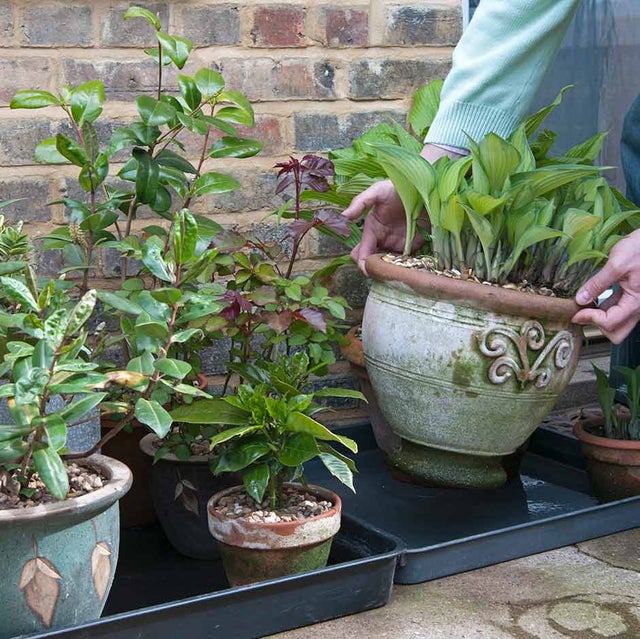
Top-dress container-grown plants or pot on annually in spring.
Young tree ferns may be stood outside in the summer, but keep them out of direct sunlight.
Watering and feeding
Water tree ferns regularly to ensure the trunk remains damp, and spray the trunk with water during hot weather (and during dry conditions in winter).
After the first year of planting, apply a liquid feed (diluted as directed by the manufacturer) to the fronds and trunk once a month, from mid-spring to mid-summer, when the plant is in growth. Alternatively, spread controlled-release fertiliser around the base of the plant in spring at the rate recommended by the manufacturer.

Winter protection
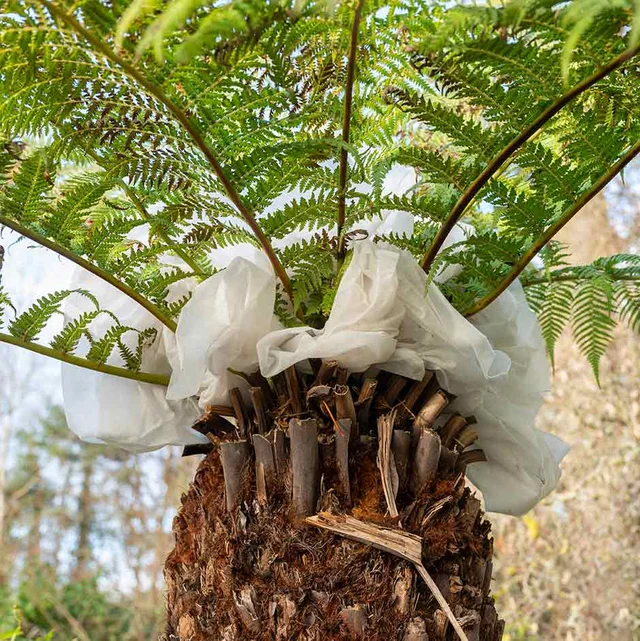
Tree ferns are not fully hardy, so be ready to take steps to protect them. Hardiness tends to increase with the height of the growing point above the ground. Young plants with no trunk are not really suitable to overwinter outdoors except in very sheltered sites.
To protect plants growing outdoors to avoid damage to fronds, put a handful of straw in the crown and fold the fronds in on themselves.
Place container-grown plants in a sheltered positionand bring into a conservatory or greenhouse.
Propagating
You can try to propagate tree ferns from spores found on the underside of their leaves. However, they do not always produce these in the UK climate.
The easiest way to propagate tree ferns is from offsets. These are young plants that develop from the roots or trunk. Offsets develop slowly, so leave them to grow on until they can be easily handled. Then do the following:
- Sever the offsets cleanly from the parent trunk or roots
- Pot them up in loam-based peat-free , just deep enough so that they sit upright
- Water them in, and place the pot in a at 15-20°C (59-68°F) in bright but filtered light
- Once new growth shows, start to harden them off to outdoor conditions
Problems
Tree ferns are usually trouble-free, but may be affected by cold weather and frost damage, woodlice living off decaying organic matter in the stems, and red spider mite, which can be a particular problem for plants kept under cover in glasshouses and conservatories.