Hydrangeas struggling in Britain’s hotter summers
Hydrangeas have been hit hard by hotter summers and are struggling in Britain’s changing climate. They are becoming increasingly vulnerable to heat and drought, with RHS advice enquiries more than tripling since 2023. Discover how to help your plants cope
Hydrangeas have long been a staple of British gardens, prized for their large blooms and ability to brighten borders from summer into autumn. But as temperatures rise and dry spells become more frequent, gardeners, especially in hotter areas of Britain, are finding these popular shrubs increasingly difficult to grow.
New data from the RHS Gardening Advice Service reveals that enquiries about heat and drought damage affecting hydrangeas have more than tripled since 2023. Once the seventh most reported plant affected by hot weather, hydrangeas have climbed to the top of the list and remain the plant gardeners are most likely to contact the RHS about when temperatures soar.
The trend highlights a wider shift in the challenges facing gardeners. Increasingly, people are seeking advice not only on how to rescue plants during heatwaves, but how to adapt their gardens to cope with hotter, drier and less predictable weather in the years ahead.
The challenge for a garden favourite
Hydrangeas remain hugely popular with gardeners. They are currently the most searched for plant on the RHS website and continue to be among the best-selling shrubs through RHS retail outlets. However, their popularity is being tested by changing growing conditions.
Known for their large leaves and thirsty nature, hydrangeas can quickly show signs of stress when soil moisture becomes limiting. Wilting foliage, scorched leaves and reduced flowering are becoming increasingly familiar sights during prolonged hot weather, particularly in southern and eastern parts of Britain.
Right plant, right place
At RHS Garden Wisley in Surrey, staff have observed significant differences in how hydrangeas cope depending on where they are planted.
"Our approach is always ‘right plant, right place.’ We’ve seen first-hand that hydrangeas growing in shadier positions cope far better during prolonged hot, dry weather than those exposed to full sun."
As a result, the RHS is reviewing how hydrangeas are grown within its own collections. The Society is looking at propagating plants from the collection at RHS Garden Wisley and establishing them in gardens such as RHS Bridgewater in Greater Manchester and RHS Rosemoor in Devon, where rainfall levels and growing conditions are currently more favourable.
Not all hydrangeas respond in the same way
While many gardeners will be familiar with traditional mophead and lacecap hydrangeas, these are among the varieties most vulnerable to periods of drought and intense summer heat.
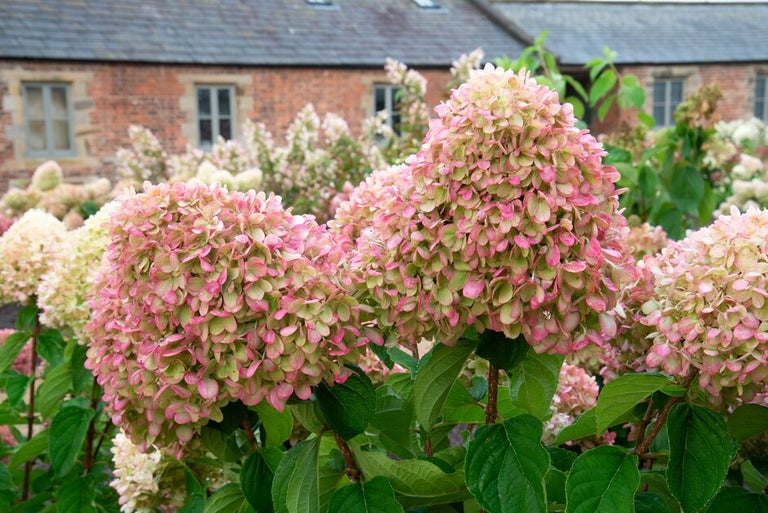
Some species show greater resilience. Hydrangea paniculata, which produces cone-shaped flowerheads, generally performs better, provided it is grown in moisture-retentive soil. However, even these tougher hydrangeas are being tested by more extreme weather patterns.
The five-year Bridgewater trial
Results from a five-year RHS trial of Hydrangea paniculata at RHS Garden Bridgewater found that plants experienced repeated periods of drought, heat, waterlogging and sudden temperature fluctuations between 2021 and 2025. Although 12 cultivars were awarded RHS Recommended status for their garden performance, the trial also demonstrated how increasingly variable weather can affect even robust shrubs.
For gardeners looking to future-proof their planting schemes, variety selection is becoming more important than ever.
5 ways to help your hydrangeas cope
The RHS is encouraging gardeners to think carefully about where hydrangeas are planted and how they are cared for during hot weather. These steps can help plants better withstand periods of drought while reducing the need for frequent watering:
- Move container-grown hydrangeas into dappled shade during heatwaves.
- Water deeply and thoroughly rather than little and often. Learn more about water management via Mains 2 Rains.
- Apply a to help retain moisture around the roots. Improve soils with organic matter to increase water holding capacity.
- Consider moving plants growing in full sun to a shadier position this year during the autumn months.
Adapting gardens for the future
The rise in hydrangea-related enquiries reflects a broader challenge facing gardeners as Britain's climate continues to change.
Many traditional garden favourites evolved in conditions very different from those experienced during recent summers. As temperatures increase and rainfall becomes less predictable, gardeners are having to reassess where plants are positioned, how water is used and which varieties are likely to thrive in future conditions. Our ongoing sustainability research aims to tackle these exact challenges.
For now, visitors can still enjoy spectacular hydrangea displays across RHS gardens throughout summer and early autumn. But the growing difficulties faced by one of Britain's most popular shrubs offer a glimpse of how gardening is changing, and why adapting to a warmer climate is becoming increasingly important.