RHS Malvern
Spring Festival
Delve into the Indoor Plant Gardens at RHS Malvern Spring Festival
This year the Festival of Houseplants plays host to eight indoor gardens, showcasing what is possible for gardeners to achieve in the home
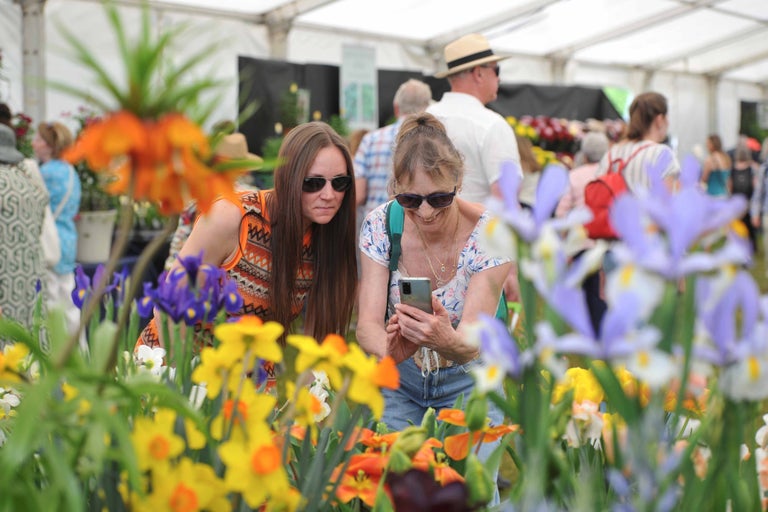
The increasing interest in indoor plants is a movement which grows every year and RHS Malvern Spring Festival (8-11 May 2025) is taking a deep dive into the phenomenon. With more gardeners but fewer gardens, many people are turning to their indoor spaces to get back in touch with nature. The rise of social media has driven a trend of using houseplants in interior design and, by harnessing our biophilic attraction to plants, help with our wellbeing.
Each garden at the Festival is designed with a different purpose and perspective and is assessed by the RHS judges for a prestigious medal. Discover more about the Indoor Plant Gardens at RHS Malvern Spring Festival 2025.
A Reflection of Nature by GrowTropicals, Claire Lowrie and Ben Newell

A Reflection of Nature
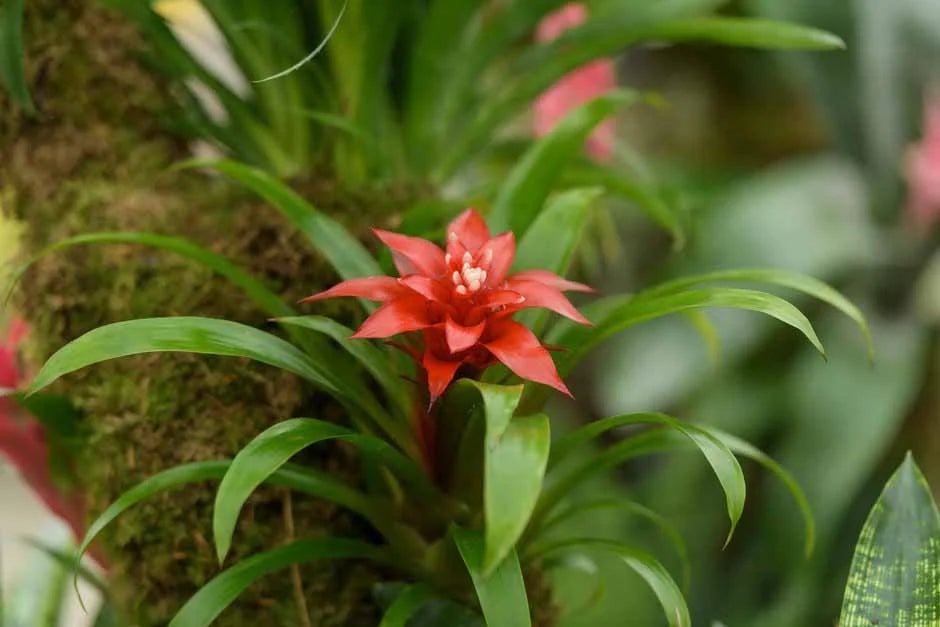
A Reflection of Nature displays a reflection between an outdoor tropical space and indoor living area, where the various growth habits of plants are mirrored. Epiphytic plants which grow on trees outside, are mounted on cork and bogwood branches inside. Aquatic plants in low lying water are in an aquarium and terrestrials are potted in unique ways. The indoor space closely reflects the layout of the outdoor world, taking inspiration from nature and understanding the needs of different plants and reflecting them in the home.
Plants in the garden

dblanco

"Each of these plants was selected to represent different growth habits that can be replicated indoors. Together, they demonstrate how diverse plant types can be harmoniously integrated into indoor environments, creating visually dynamic and easy-to-care-for plant displays."
Tips from the designers
1. Light is possibly the most critical factor to get right when growing plants indoors. Consider that the walls of your home block out more than 90 per cent of natural light. Our eyes quickly adjust to this, a plant cannot. Under-lighting a plant will result in stunted and leggy growth, pale leaves and higher susceptibility to pests and diseases. Light meters are very low cost and comparing various external light levels to internal will allow you to place plants in the perfect spot in your home or otherwise buy plants suited to the conditions you have available.
2. Water less. Tropical plants (assuming they are not high elevation plants) are adapted to relatively constant temperatures above 22c. When our homes drop below this temperature, growth will slow, and below 18c growth will stop almost completely. Tropical plants will therefore take up little to no water and continuing a frequent watering schedule will likely lead to root rot. If your home is particularly cold, tropical plants can remain without water for 2-3 months.
3. Check for pests regularly. Inspect your plants frequently for pests like spider mites or mealybugs. Early detection can save your collection from infestations.
The Sensory Sanctuary by Jonathan Balchandani & Mohammed Bhula

The Sensory Sanctuary
The Sensory Sanctuary, is an immersive oasis designed to reconnect visitors with nature. Set within a semi-enclosed cube, the design blends lush tropical greenery with interactive sensory elements, creating a tranquil, multi-sensory journey. Visitors can explore a misty swamp pond surrounded by cascading vines, vibrant plants, and vertical green walls, bathed in soft, warm lighting.
Fragrant flowers are complimented by textured foliage, and interactive features, such as tactile substrate panels and natural soundscapes, enhance the experience. Inspired by the calming qualities of tropical jungles and the restorative power of sensory engagement, this design demonstrates how indoor gardening can foster mindfulness, relaxation, and a deeper connection to nature.
Plants in the garden

Abhishek Jacob

"The Sensory Sanctuary highlights sustainable indoor gardening practices, such as the use of ethically sourced materials, peat-free compost, and energy-efficient LED lighting."
Tips from the designers
1. Shop around – Explore different nurseries, plant shops, and online marketplaces to find the best quality plants at reasonable prices.
2. Don’t rush – Take time to research and choose plants suited to your space and care level.
3. Propagate and share – Start small by propagating plants you already have or swapping cuttings with friends. It’s a cost-effective and rewarding way to grow your collection while building connections with fellow plant enthusiasts.
4. Take it slow – Resist the urge to buy too many plants at once. Begin with a manageable number of species and learn their care needs before expanding. This helps you build confidence and prevents overwhelm as you nurture your collection.
Beneath the Canopy by Ferne Creative & Sprouts of Bristol

Beneath the Canopy
The Beneath the Canopy garden takes a whimsical journey through a slice of the Amazon Rainforest. Learn how these plants thrive in the wild and meet the wondrous creatures with which they share this richly diverse but highly threatened part of our planet and their integral links to each other and our ecosystem. Understand how to provide the right care for a range of tropical houseplants and why, even in the wild, plants are never ‘picture perfect’. The design recreates the Amazon Rainforest’s dense understory with layered planting that mimics the natural structure of a rainforest and embracing the imperfect beauty of nature.
Plants in the garden


"Our aim with our design is to make the natural habitat of familiar houseplants the unsung hero of the piece, bringing the outdoors in a way that is rare in houseplant cultivation."
Tips from the designers
1. Start small: Start with the same plant family or plants with similar care so they all pretty much require the same level of attention. If gifting plants, work out if the person is an over-waterer or under-waterer and pick plants that match their personality.
2. Understand light levels: Match plants to the natural light available in your home.
3. Use proper soil: Invest in well-draining soil mixes suited to your plant’s needs.
Neo Flora by John Tallis and Megan Warren-Davis

Neo Flora
The concept of Neo Flora is inspired by a teenager’s bedroom in an urban setting. It blends a grunge cyberpunk aesthetic with a new-found love for indoor plants. Bright neon tones, a dark grunge atmosphere, and the room’s messiness reflect the teenager’s state of mind, while the calming influence of indoor gardening brings softness and balance to the chaos. The greenery contrasts vividly with the grungy backdrop, while sleek hydroponic elements, such as a wardrobe waterfall and flowing propagation area, introduce harmony to the edgy, urban-inspired space.
Grow lights in pink, purple, blue, red, and white are among the plants, enhancing the city-inspired aesthetic and ensuring they thrive in the dark room. The room features soilless plant propagation, using clear acrylic or glass containers with nutrient-rich water to display roots. Visible tubing and reservoirs add a tech-inspired, experimental touch. The design blends grungy interior aesthetics with innovative hydroponic techniques, creating a unique space that merges unconventional style with modern planting methods.
Plants in the garden


"We wanted to highlight the rising levels of anxiety and depression among teenagers by creating an urban space that reflects their mental state – slightly chaotic, with thoughts racing, and dark, symbolising feelings of low mood and the oppressive urban environment."
Tips from the designers
1. Take advice as suggestions, not absolutes. While plants have basic needs like light, water, air, and nutrients, these requirements can vary depending on the type of plant and your home environment. Every home is unique; some may be damp, have limited natural light, or be colder. Plants can adapt to new environments over time, so what works for one person may not work for another. Even experienced collectors experiment with different care techniques to improve plant health.
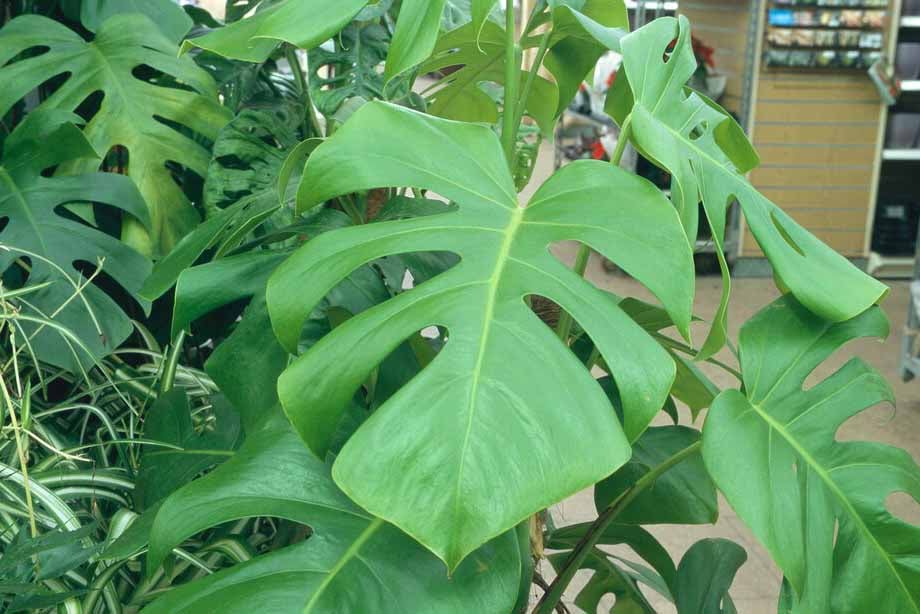
2. Start affordably and grow your collection creatively. Houseplants don’t have to be expensive. Begin with easy-care plants like philodendrons, monsteras, or epipremnums. Once you feel confident, try a slightly more unusual variety, propagate it, and swap cuttings at plant swap events to expand your collection without spending a fortune.
3. One of the best pieces of advice I have received: Fish need water, roots need air. Unless they’re aquatic plants or adapted to swampy or marshy conditions, most plant roots require air as much as they do water. Overwatering can cause root rot and make the soil anaerobic, so ensure you’re not drowning your plants in water and let the roots ‘breathe’.
Houseplants: A Long View by Midrib Plants

Houseplants: A Long View
Borrowing the format of BBC Radio 4’s The Long View, Houseplants: A Long View presents and compares plant stories from the past with those from today. The Indoor Garden is set within a typical living room of a terraced house divided into three zones, beginning with the Victorian fireplace at the heart of the room. This area is resplendent with ferns, evergreens, delicate flowering plants and Wardian gardens under glass. Moving to classic mid-century design dripping with hanging and cascading plants. The last area focuses on today’s approach to plant-parenting, with the infamous DIY hacked IKEA glass cabinet filled with a collection of and propagation experiments.
"The design is influenced by Catherine Horwood’s book Potted History, which examines the background of houseplants in Britain. We will highlight the histories of era-specific plants and draw attention to the ubiquitous and long-standing nature of plants within our homes."
Tips from the designers
Where possible, source your plants from independent plant stores who specialise in what they’re offering. We are the people who know and love plants. While supermarkets and larger chain stores can offer a good bargain, plants are often not looked after while on sale – they may be in areas without sufficient light or stored in cold temperatures.
Choose a plant store which ascribes to good plant parenting, and is conscious of wider concerns such as the use of peat or other unsustainable practices. By buying from an independent plant store, you’re getting a plant in the best condition possible and helping to set you up for success.
Contemporary Living | A Modern Retreat by Botanical Interior Design

Contemporary Living | A Modern Retreat
Contemporary Living, A Modern Retreat is a tranquil urban oasis designed to bring nature indoors and create a seamless connection between interior design and plant life. The space showcases contemporary 3D-printed planters using a plant derived material. The room is styled as a multifunctional retreat, incorporating elements for relaxation, meditation and creative pursuits.
The layout includes comfortable seating, a small zen garden and a dedicated space for yoga or meditation, all designed to encourage visitors to disconnect from the digital world and reconnect with nature and themselves. The contemporary living space is designed to promote relaxation and well-being through biophilic principles.
Plants in the garden


"The use of natural materials and earthy tones throughout the space enhances the sense of connection with nature. The overall atmosphere encourages visitors to slow down, breathe deeply and immerse themselves in the restorative power of indoor nature, fostering a sense of calm and well-being in the midst of an often chaotic urban life."
Tips from the designer
1. Start with low-maintenance plants like pothos or snake plants to build confidence, which are more forgiving by nature. There’s a piece of greenery for everyone.
2. Consider your space’s light conditions when choosing plants, don't be afraid to move them, but give them time to adjust.
3. Water plants out of their planters to prevent excessive water build up allowing any excess to be drained off before placing back to the planter, reducing the risk of root rot.
Nice Day for a Green Wedding by Emma Angold

Nice Day for a Green Wedding
Nice Day for a Green Wedding is set at a wedding reception hosted in a banquet hall. Two circular dining tables with 8 places each sit at the front of the space. In the middle of each table instead of a floral centrepiece is one planted full of verdant houseplants. A small potted plant with the guests’ names written on the pot (acting as place cards). Behind, framed by an arch of foliage, sits a sweetheart table for the bride and groom. The design creates an atmosphere of joy and celebration, showcasing houseplants as a sustainable alternative to single-use wedding decorations. It champions the idea of ‘using what we already have’, bringing houseplants – that often sit in the background of our homes – squarely into the foreground.
Plants in the garden


Shutterstock
"The wedding industry faces significant sustainability challenges, epitomising single-use living and over-consumption. In 2024, the average wedding produced 180 kg of waste including flowers and décor. The design is intended to encourage viewers to think about their individual contributions, and the positive impacts they can have. While we cannot address large problems like this on our own, we can all do our own bit."
Tips from the designer
1. Preparation is key when getting houseplants that will prosper in our homes. Before you go shopping, think about the light levels in your home where you want to put the plant. Then search for plants that would grow well in such a spot.
2. Watering issues contribute to most houseplant problems. Instead of watering on a time-based schedule (ie once a week), water based off when your plant’s soil is dry. This will vary depending on the time of year, pot size and the type of soil used. Before watering use your finger or a moisture meter to test the moisture and see if your plants are ready to water.
3. Prevent pests. I recommend using biological pest control year-round to keep the bad bugs away and curb infestations before they begin.
Dibleys’ Modern Garden Room: Engaging Colour and Texture by Lynne Dibley

Dibleys’ Modern Garden Room: Engaging Colour and Texture
“When Matisse dies, Chagall will be the only painter left who understands what colour really is,” claimed Picasso in 1964. By incorporating Chagall’s vibrant and bold colour palette, this design of Dibleys’ Modern Garden Room brings a touch of artistic inspiration to houseplants. The juxtaposition of vibrant flowers and foliage next to green textured houseplants creates a visually stunning display. This space presents a contemporary take on a garden room – often perceived as a remote and romantic Victorian space. Modern eco grow-lighting and self-watering containers allow a myriad of houseplants to flourish, showing what can be achieved even in a small space.
Plants in the garden


Dibley’s

Dibley’s
"Houseplants can be more than just green. In addition to a calming area of textured green foliage, there will also be a pop of colour inspired by Chagall’s bold palette. With the right mix of colour and texture, a plain room can be transformed into a vibrant, energized environment."