Meet the contenders for RHS Young Designer of the Year
This competition offers the next generation of garden designers a wonderful opportunity to kick-start their career. Meet this year’s emerging talent, all aged 30 or under
Since 2009 the competition has been offering a remarkable platform for aspiring designers. By working with contractors, specialists, nurseries and other suppliers, Young Designers learn how to pull all of their skills together to create a successful RHS Show Garden. RHS Writer Marica Flore spoke to the three creative designers:
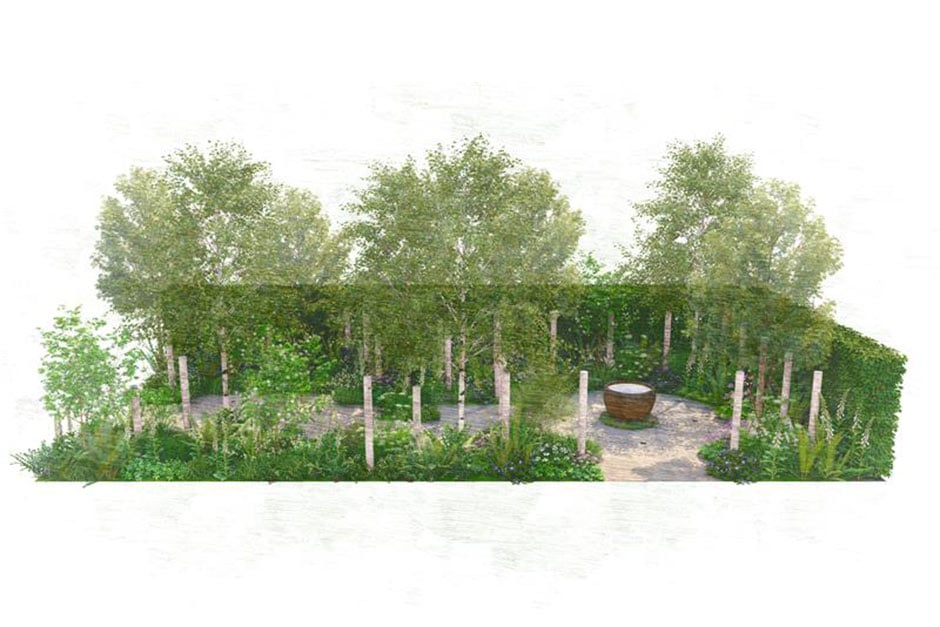
Sophie Leo, designer of Blue Diamond Garden Centres: Where Grief Grows Quiet
![]()
This garden grew from my experience of losing my mum in 2022 and from an idea for a Show Garden that she sketched while living with cancer, hoping I would one day bring it to life. I’ve shaped her concept into a garden about grief, inspired by the walks we took together in the countryside around Cirencester and the Cotswolds. The result is a space that offers comfort to those experiencing loss.
What would you like visitors to feel in your garden?
I’d like people to go home and start looking more closely at everyday landscapes. Find beauty in the hedgerows and field boundaries you drive past every day. Start planting into the cracks of a crumbling wall or transform old pieces of wood into creative features. Take time to be still.
Describe your garden in one word
Refuge. I want the garden to feel like a comforting oasis you could stumble upon when walking across the British countryside.
![]()
Blue Diamond Garden Centres: Where Grief Grows Quiet
Blue Diamond Garden Centres: Where Grief Grows Quiet
It’s okay not to know everything. What really matters is being open to collaboration – working with others, learning from their expertise and bringing together a team to create something stronger than you could achieve on your own.
Abigail Stoyle, designer of Silo: All that comes in remains
![]()
I got the bug while volunteering at the RHS Shows last year. At the time, I was attending a Garden Design course at KLC School of Design, having previously worked as a surveyor. I loved the buzz, so I thought: what do I have to lose?
What do you want to say with your design?
I want to show that edible and ornamental plants can work beautifully together. I’m highlighting common species you might not realise you can eat, such as Sanguisorba officinalis, Geum and Alchemilla. I’m also featuring traditional vegetables that suit ornamental beds for their beautiful flowers or foliage, including chives, potatoes and chickpea. Everything plays a role and nothing goes to waste.
What ideas can people take from your garden?
Using cork in the garden can improve drainage. This renewable material has both decorative and practical value, working as a
![]()
Silo: All that comes in remains
Silo: All that comes in remains
I enjoy playing with different elements. I love visiting nurseries where I can experiment with plants and meet growers, who are always happy to share their knowledge. I also like getting samples of stone, gravel and granite through the post, and test them in my own garden to see how they work.
Sophie Sturgeon, designer of A Space For Her
![]()
Growing up during the rise of social media, I experienced challenges with selfconfidence – something many young people can relate to. A Space For Her invites visitors to step away from screens and reconnect with themselves through nature. Recognising that public spaces don’t always consider how women and girls experience them, the design also incorporates lighting, which encourages wayfinding and makes users feel safer during the day and at night.
What is your design centred on?
Movement. A curving path echoing a ripple effect guides visitors gently, creating a natural flow through the space. The planting is arranged in soft ‘waves’ that shift as you move, so the experience is constantly changing, and grasses and lighter
What ideas could people use at home?
You don’t need to rely on expensive materials to create impact. If you have a small space, introduce a gentle curve to create a sense of journey. Use reflective surfaces, such as a mirror or polished material, to help the space feel larger while also creating moments of pause.
![]()
A Space For Her
A Space For Her
When I started working on this project, I put a lot of pressure on myself to include all my ideas. I realised that I'd lost sight of what I wanted the garden to look like, so I took a step back and returned to the fundamentals. To young people entering this industry, I’d suggest trusting yourself and simplicity. It’s easy to feel like you need to include lots of ideas to prove yourself, but the strongest designs often come from editing things back and being really clear in your intent.