8 take-home trends from RHS Tatton 2024
Bursting with beautiful planting inspiration, gorgeous garden design and top money-saving tips, here are the take-home trends to copy from the RHS Flower Show Tatton Park 2024


RHS Flower Show
Tatton Park
Meet the floral stars of the show and discover inspiring plant ideas to take home from this year’s RHS Flower Show Tatton Park

Burnets are cherished for their low-maintenance robustness combined with versality, being equally at home in a herbaceous border, prairie planting or a wildlife garden. The eye-catching fluffy tassels of the aptly-named ‘Lilac Squirrel’ make this handsome a real head-turner.
Tresses of bright mauve, pendulous plumes are held on slender, metre-high stems throughout summer and into autumn, above a mound of attractive blue-grey foliage.
Barry Proctor explains, “Sanguisorba is one of those perennials that will grow in dry, but also if you have a problem wet patch in your garden, that’s the place to put it because it will like the moisture. It’s as tough as old boots.”
"It never ceases to please and amaze. It comes at that time of year when a lot of perennials have finished, and if you deadhead, you can have it flowering in October"

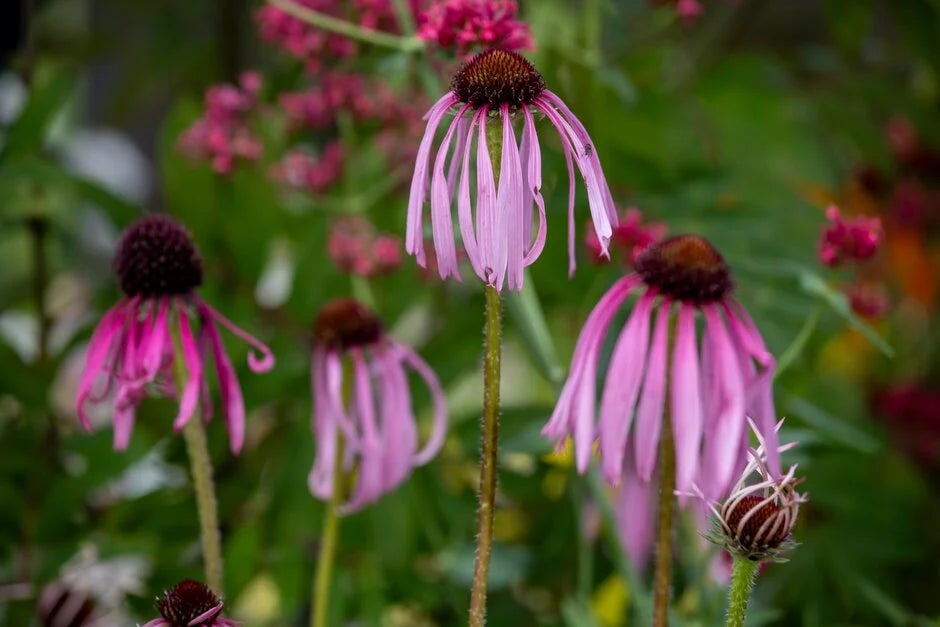
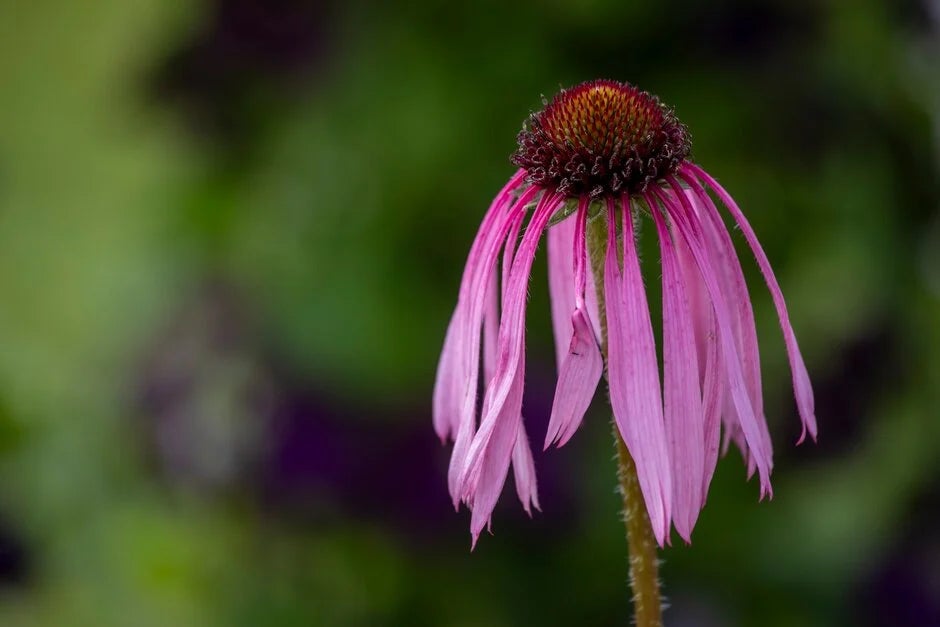
Echinacea pallida is another resilient that will demand little but provide a long season of interest in return. This species coneflower is daintier than many cultivars, with slender, distinctively reflexed petals giving it a subtle elegance that allows it to weave among other plants to add pops of colour and interest without becoming centre of attention.
Contributing to a riot of pink in the Nature’s Gift Creative Cube, the pale pink petals, which darken to rose towards the centre, are accentuated by deeper pink Centranthus ruber. They rise above achillea in the same pale pink shade to create a contrast of shapes between the daisy form of the Echinacea and the flat-headed form of the achillea.
With a naturalistic look that’s reminiscent of its North American prairie habitat, Echinacea pallida is ideal for blending with grasses and drifting through prairie planting. It’s also loved by bees and makes a beautiful cut flower.

This tall African feather grass is unmissable, creating a firework-like explosion of long, cylindrical heads above P&K Davis Nursery’s display. Reaching a heady two metres tall, it’s perfect for bringing height and drama to the back of a border.
The slender bristles start off green and mature through pale buff to purple, providing a long season of interest above a clump of narrow, evergreen foliage. P&K Davis pair it with Verbena bonariensis to weave in equally tall and airy pops of colour.
Though perennial, this drought-resistant grass may be short-lived without winter protection in colder or wetter areas of the UK, but nevertheless holds an RHS Recommended: Award of Garden Merit for its stunning performance.

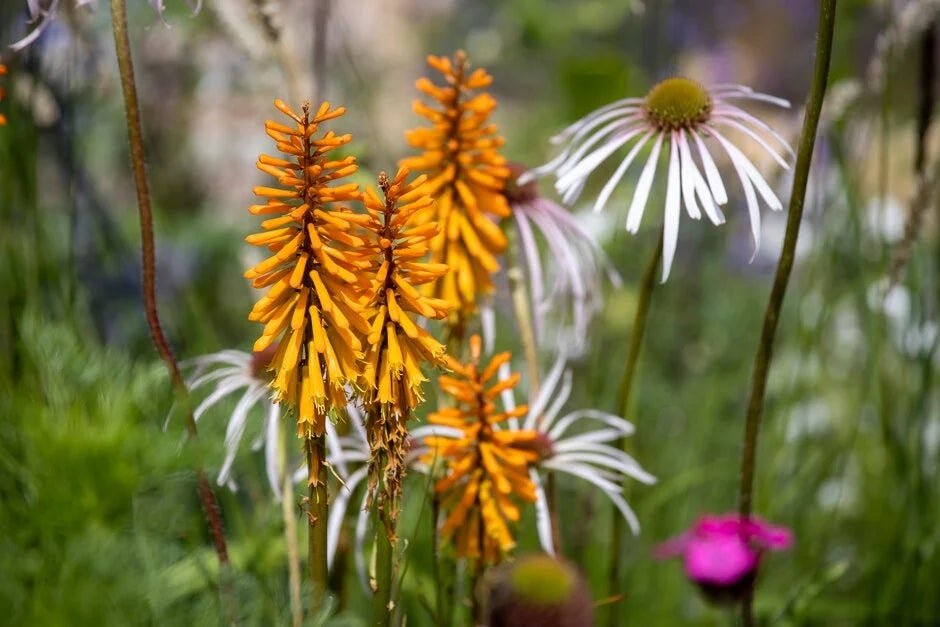
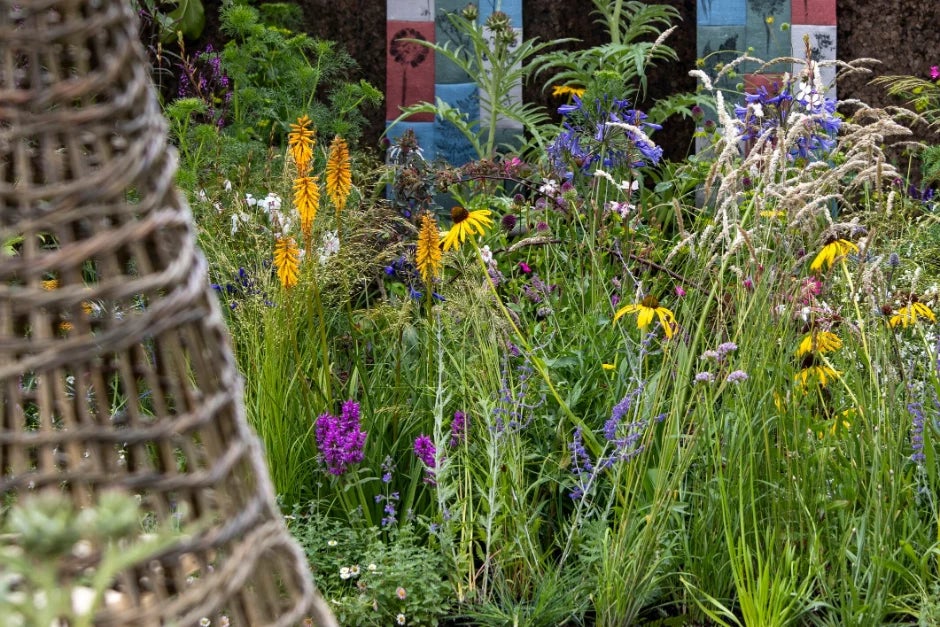
In This Garden Isn’t Finished Without You, this vibrant apricot-coloured red hot poker cuts through a dreamy combination of purple-blue salvias and geraniums and electric blue Agapanthus and Eryngium to add a spikey shot of colour and drama, which perfectly pulls together the cool blues with the lemon and lime tones of Rudbeckia, Achillea and Euphorbia.
Kniphofia are fabulous drought-resistant, long-flowering plants for a sunny spot, and this award-winning cultivar will produce golden-orange spires above narrow, strappy foliage from July right through to October. Despite its exotic looks, it’s fully hardy and easy to grow.

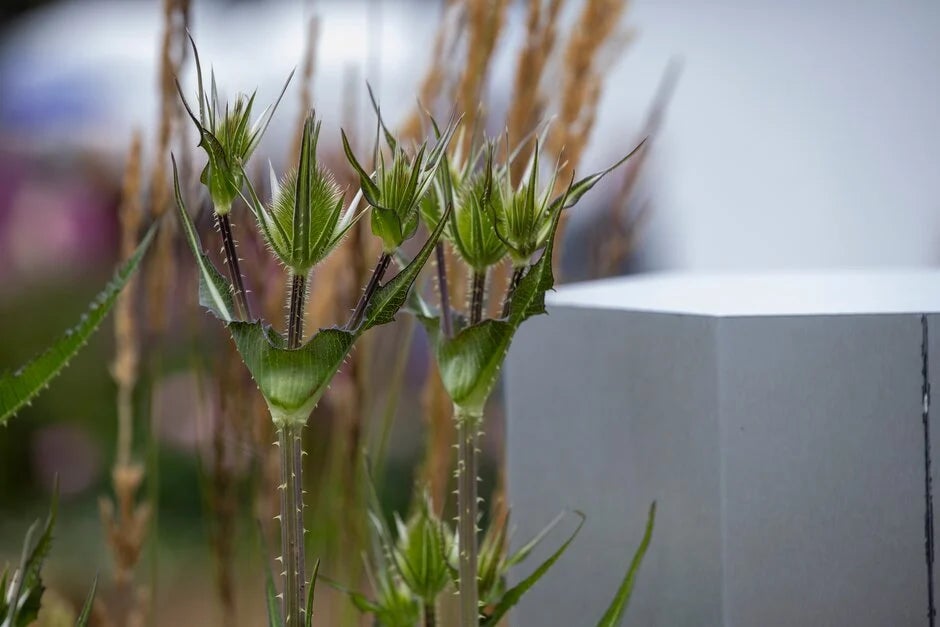
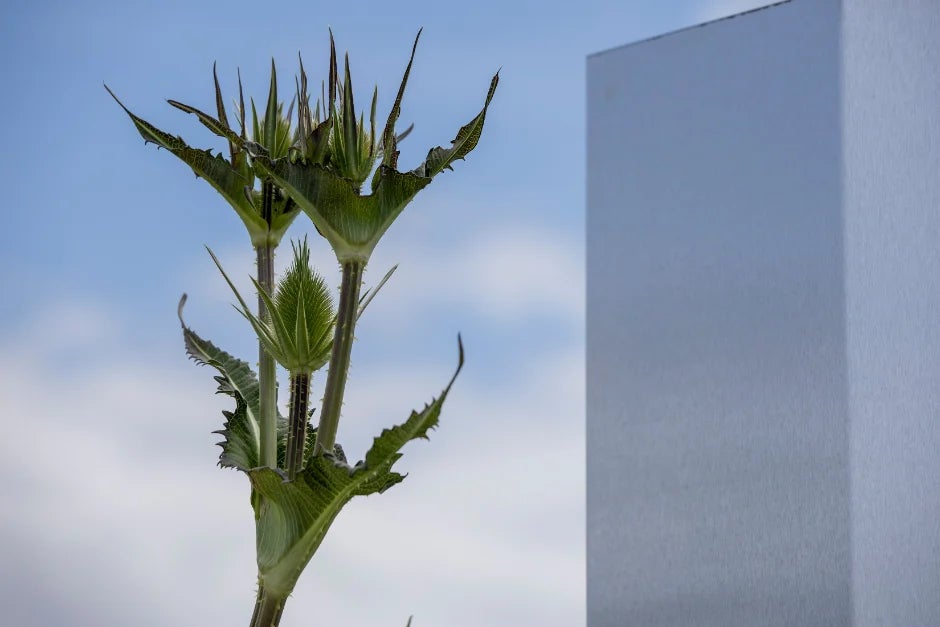
In the Nature & Modernity Long Border, Tom Pilgrim chose teasels to rise high above the rest of the planting because he loved the unusual look of this tall, prickly . Teasels such as Dipsacus laciniatus are not often seen in gardens, but they bring architectural drama and impact to a border and are fantastic plants for wildlife. The dome-shaped heads of tiny flowers are a magnet for bees in summer and then provide a seedy feast for birds such as goldfinches in autumn.
Tom explains, “The more common form of teasel has a blue-lilac flower, but this is a cut-leaf teasel with a white flower. Each stem gives rise to three flower heads, and in the cut-leaf form, the bracts where the flower stems join together cup and hold water, like a pool.”
Teasels are very easy to grow in almost any soil and location, and as Tom has shown, can make an impressive addition to a mixed border as well as a wildlife garden.
"I wanted a few unusual plants in the planting scheme, and this is definitely quite an unusual-looking plant"

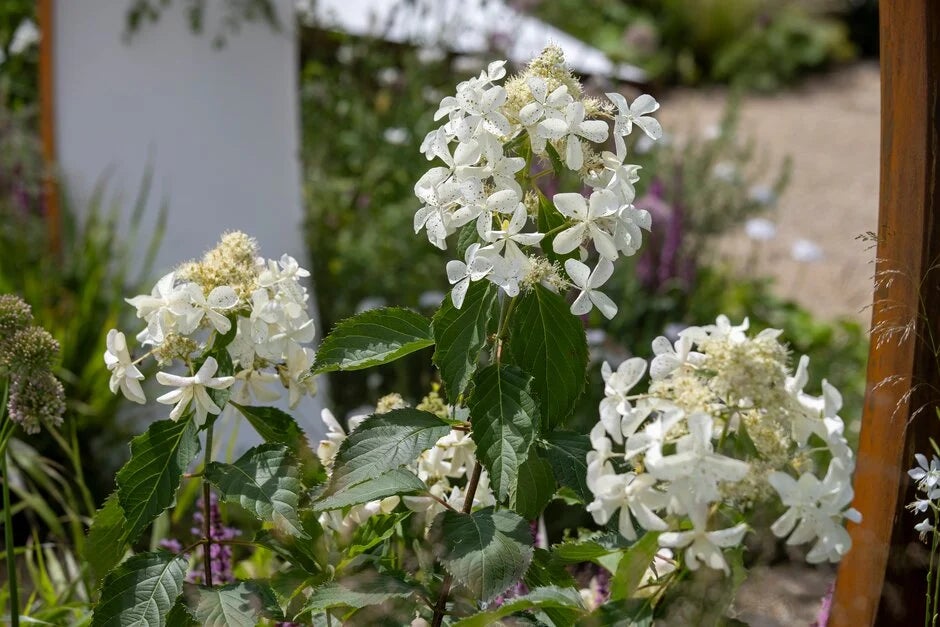
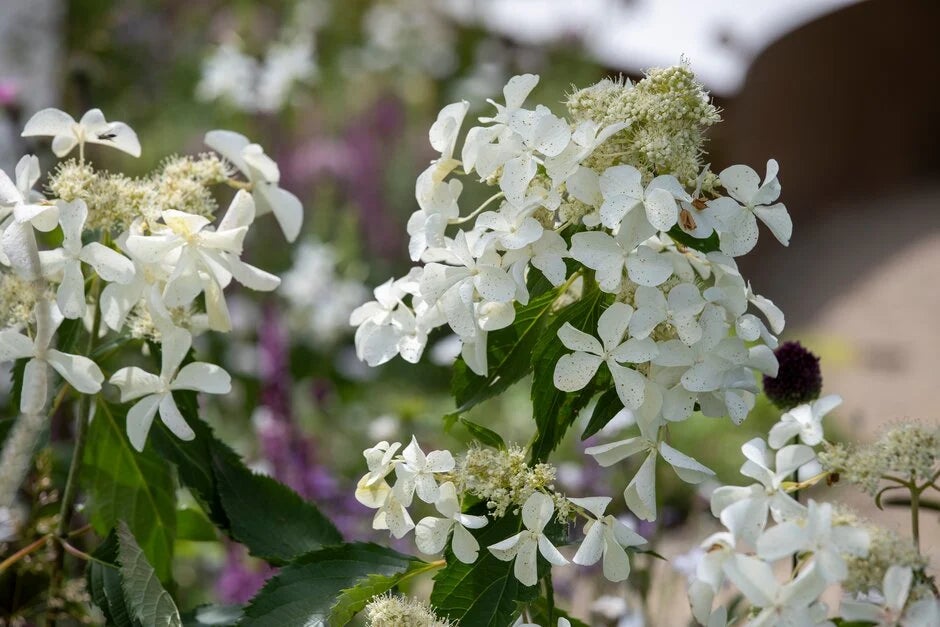
Trios of Hydrangea paniculata ‘Kyushu’ underplanted beneath multistem Judas trees (Cercissiliquastrum) bring a sense of calm and tranquility to The Safe Space Garden. ‘Kyushu’ is an elegant choice for its slender, loose heads of four-petalled white flowers, produced from midsummer into autumn.
Designer Chris Reynolds explains, “I chose the hydrangea because I’m trying to engender a sense of comfort and reassurance in the garden. I wanted to have a plant that people recognise and will be quite nostalgic, but with a bit of a twist – ‘Kyushu’ is quite light and airy and not as intense as many hydrangeas.”
Though most hydrangeas enjoy a little shade, ‘Kyushu’ is also quite unusual in that it doesn’t mind a position in full sun, so long as the soil remains reasonably moist.
About the author – Olivia Drake
With a background in biology, Olivia is passionate about sustainable horticulture, biodiversity and the role gardening can play in conservation. She is trained as a botanical horticulturist and previously worked in public gardens around the UK and abroad.