10 ways to save the planet while gardening
Gardening, and how we garden, can make a positive difference to several of Earth’s biggest challenges. Here’s how to garden sustainably

Help protect garden birds from spread of fatal disease by feeding safely and seasonally, says new guidance from RSPB – here’s what to offer them instead
A review by RSPB scientists has re-assessed benefits and risks of feeding garden birds, leading them to issue updated guidance to help protect these much-loved garden visitors.
Here’s everything you need to know about the new guidance for feeding birds in gardens, and the plants we recommend growing instead to provide for them in summer and autumn.

The RSPB’s review found strong evidence that supplementary feeding contributes to spread of disease, including Trichomonosis. This parasite has caused serious declines in UK greenfinch and chaffinch populations, and is suspected to be behind a sharp decline in bullfinches too.
Greenfinch numbers in the UK have dropped by over 65% since the mid‑1990s, falling sharply after this strain of Trichomonosis appeared.
Birds concentrate around feeders and baths, creating hotspots for spread of disease. After reviewing all evidence, the RSPB has emphasised the need to feed safely and seasonally to reduce risk.
These are the changes you need to know.
Feed seasonally: From 1 May to 31 October, pause on filling seed and peanut feeders to prevent too many birds gathering in one place. You can offer small amounts of mealworms (in a small dish) or fat balls or suet (in a hanging cage), as these aren’t so appealing to finches.
Feed safely:
Helen Bostock, RHS Senior Wildlife Specialist, says: “The key change is a seasonal approach to feeding, but gardeners can provide a more sustainable solution by choosing plants that offer birds with natural food sources.”
In summer, natural food is plentiful. You can boost this with planting that encourages insects and provides safer food sources. Helen shares three of her top bird-friendly summer plants.

1. Sunflower – finches such as chaffinches, greenfinches and goldfinches harvest from this easy-to-grow annual from September by hanging upside down from the large flowerheads.
2. Blackberry – ripening from July–October, these are loved by many birds, like blackbirds, blackcaps and bullfinches. Grow thornless cultivars or let a wild bramble romp over a mature hedge.
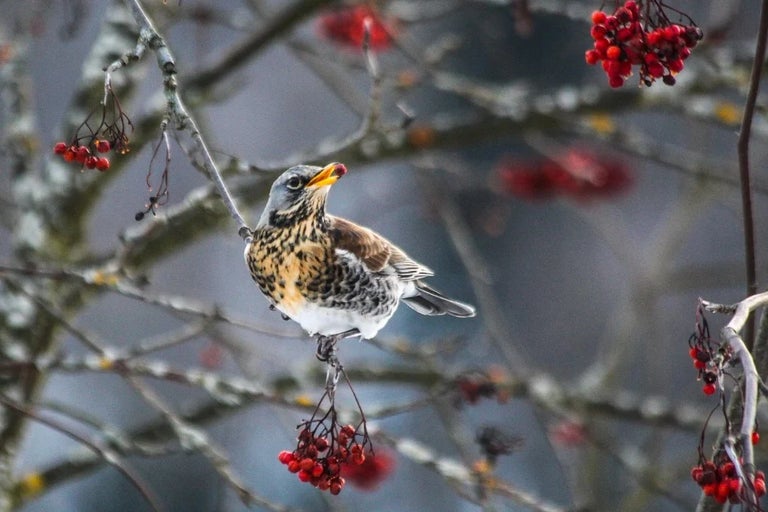
3. Pyracantha – berries of this hard-working evergreen ripen to yellow, orange or red from late summer. Red-berried cultivars are likely to be a favourite with birds like song thrushes and pigeons.
By following this new science-based feeding guidance, we can all help the birds we love and gain so much joy from watching.
About the author – Olivia Drake
With a background in biology, Olivia is passionate about sustainable horticulture, biodiversity and the role gardening can play in conservation. She is trained as a botanical horticulturist and previously worked in public gardens around the UK and abroad.