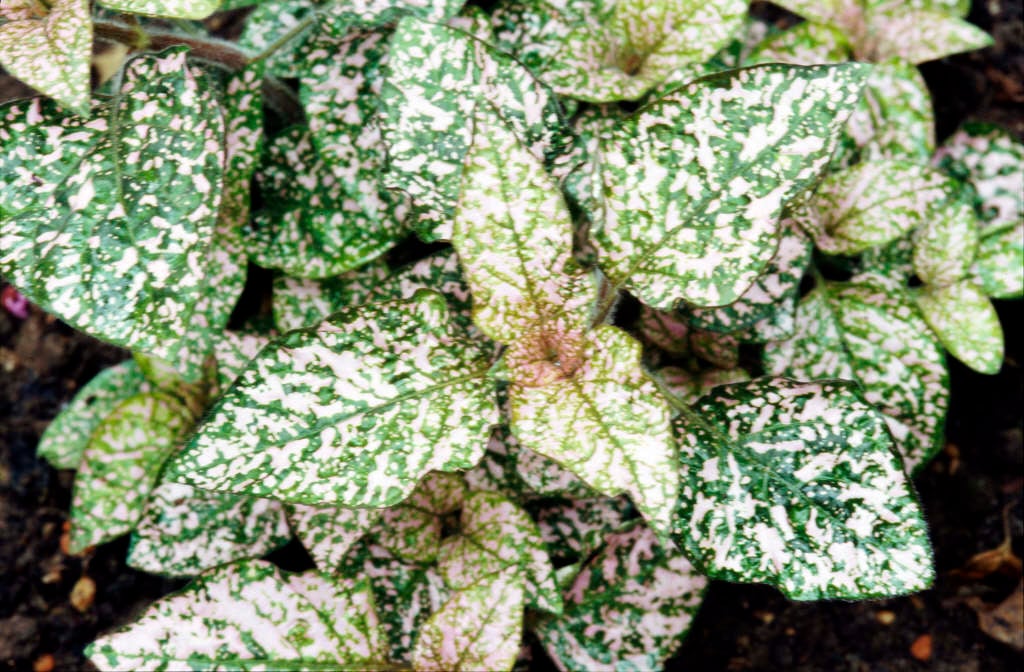
Hypoestes phyllostachya (v)

RHS Plant Profile
polka dot plant
polka dot plant RHS

Other common names

freckle face, measles plant, pink dot, flamingo plant

Synonyms

Eranthemum sanguinolentum misapplied
Hypoestes sanguinolenta misapplied

Award of Garden Merit
Houseplants Conservatory Greenhouse

A bushy evergreen sub-shrub to 30cm tall, with thin, ovate dark green leaves heavily spotted with light or deep pink. Small, 2-lipped tubular magenta flowers are borne in terminal spikes. An ideal plant for terrariums or bottle gardens

Position

Full sun, Partial shade

Soil Types

Loam

Max Height

0.1-0.5 metres

Max Spread

0.1-0.5 metres

Size

Time to Maturity
5–10 years
Max Spread
0.1-0.5 metres
Max Height
0.1-0.5 metres

Growing Conditions

Loam
Moisture
Well–drained
pH
Acid or Neutral

Position

Full sun Partial shade
Aspect
South–facing or West–facing
Exposure
Sheltered
Hardiness
H1B

Colour & Scent

Season Stem Flower Foliage Fruit
Spring
Summer
Autumn
Winter

Botanical Details

Family
Acanthaceae
Native to GB/Ireland
No
Foliage
Evergreen
Habit
Bushy
Genus
Hypoestes are tender evergreen perennials, subshrubs or shrubs, with simple leaves, often attractively coloured or patterned. Plants sometimes produce 2-lipped tubular flowers, but are more often grown for their foliage
Name Status
Correct
Plant Range
S Africa, Madagascar, SE Asia

How to Grow

Cultivation

Grow indoors in peat-free, loam-based potting compost in bright, filtered light, with moderate to high humidity. Water freely in growth and sparingly in winter. Apply a balanced liquid fertiliser every 2-3 weeks in summer. See Hypoestes for further advice. An ideal plant for terrariums and bottle gardens

Propagation

Propagate by seed, softwood cuttings in late spring, or semi-ripe cuttings in summer

Suggested planting locations and garden types

  • Patio and container plants

Pruning

No pruning required. Pinch out the growing tips to promote a bushy habit

Pests

Generally pest-free

Diseases

May be susceptible to powdery mildews