Quick Facts
Houseplants with large, white blooms that are highly fragrant
1
They need warmth, humidity and bright, indirect light
2
Grow in peat-free acidic (ericaceous) potting compost, and repot each spring
3
Feed and water regularly
4


Before you get started
What are gardenias?
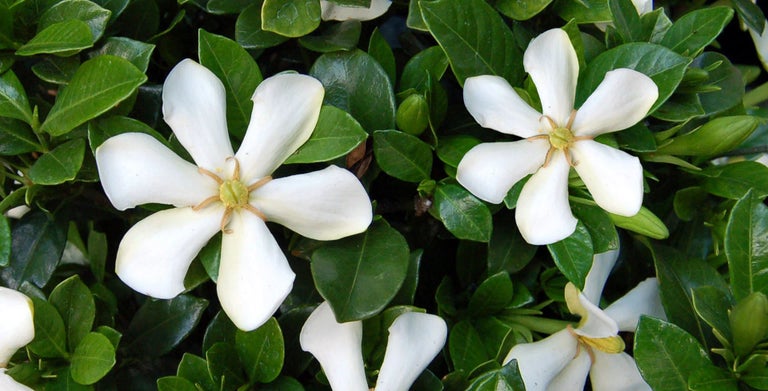
Gardenias (Gardenia jasminoides AGM) are mainly grown as flowering houseplants in the UK, filling our homes with their heady, jasmine-like scent. They are tender shrubs with glossy evergreen leaves and large, creamy-white summer flowers. They’re usually grown indoors all year round, but can be moved outdoors during the warmest months.
Gardenias need acidic , , warmth and bright light, but not direct sun. Keep the compost moist but not . Some care and attention is required to get the growing conditions right. For that reason, gardenias are often treated as short-lived plants. It can be tricky to keep them going long term. After a few years, flowering tends to decline, but it’s easy to take cuttings, to grow your own replacements.
Buying gardenias
The most popular species, Gardenia jasminoides AGM, is widely available as a houseplant, and there are several cultivars to choose from too, including ‘Kleim’s Hardy’ and ‘Crown Jewel’. Look for them in the houseplants section of garden centres and online plant suppliers. They are mainly available in spring and summer, usually in full flower to provide instant impact in your home.
Planting
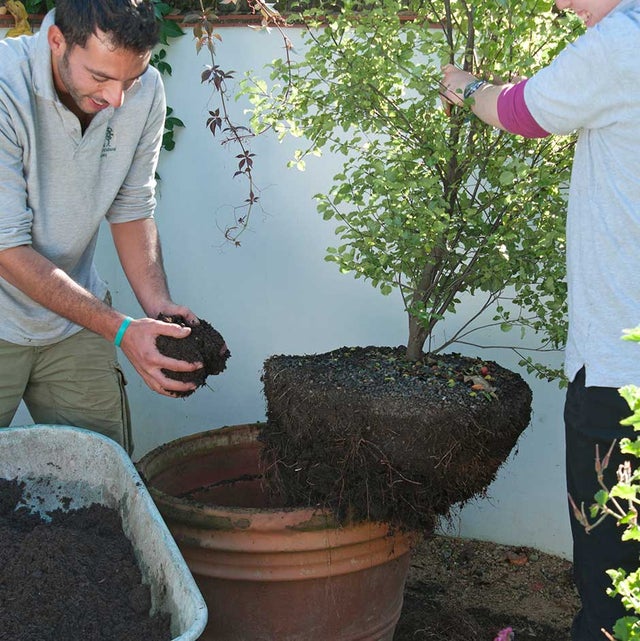
- Gardenias need re-potting regularly, ideally every spring, as they dislike congested roots
- Move them into a container that is only slightly larger, to avoid problems with overpotting
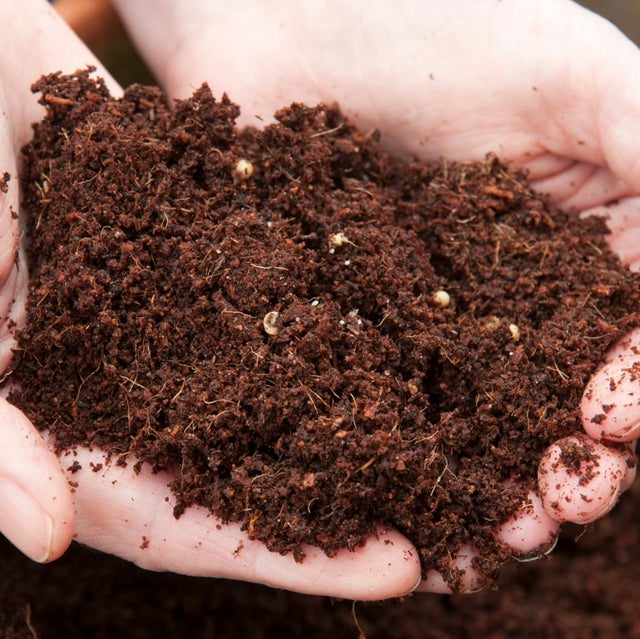
- Use peat-free ericaceous (for acid-loving plants), which is widely available in garden centres
- If you can’t re-pot, then top-dress in spring by scraping off the top 5cm (2in) of compost, and replacing it with fresh peat-free ericaceous compost
Repotting is easy – just follow our guides:
Ongoing Care
Location
Position gardenias in a warm, bright spot, out of direct sun. A west-facing windowsill is ideal. Strong, hot sun can scorch the leaves or cause them to wilt. Ensure there is some air-flow too, but no cold draughts.
In winter, move your gardenia to a south-facing windowsill, to get as much light as possible during the shorter days.
See our quick video guide:
You can also move gardenias outdoors for the summer – give them a warm, sheltered spot in partial shade. In a porch, doorway or beside a seating area would be ideal, so you can enjoy their fragrant flowers to the full. Some cultivars are said to be relatively hardy, such as ‘Kleim’s Hardy’ and ‘Crown Jewel’. However, it’s still advisable to keep them by putting them in a conservatory, sheltered porch or similar over winter.
Temperature
Gardenias like temperatures of 21–24°C (70–75°F) during the day, and a slightly cooler 15–18°C (59–65°F) at night. However, large fluctuations can damage the flower buds. They prefer a winter temperature of 16°C (61°F), but can cope with 10–15°C (50–59°F).
If you put them outside in summer, acclimatise them gradually to outdoor conditions by hardening off. Then be sure to bring them in before night temperatures fall below 10°C (50°F), even the cultivars that are said to be more cold tolerant.
Watering
- Through spring and summer, keep the constantly moist, but not saturated
- In winter, when the plant isn’t growing, reduce watering, but don’t let the compost dry out
- Use rainwater where possible, especially in hard water areas, to ensure the potting compost stays acidic. Let the water reach room temperature before applying
Humidity
Gardenias like high and uniform , so stand the container in a tray of damp gravel. Mist the leaves frequently in hot weather, but not when in flower, as water on the petals can discolour them.
Feeding
Gardenias are hungry plants, so give them a high nitrogen liquid feed every week in spring and summer. Then in winter, feed with a balanced fertiliser with trace elements every five to six weeks.
Deadheading
Remove fading flowers regularly to encourage more to form – see our guide to deadheading.
Pruning and Training
Keep gardenias in good shape by lightly pruning in February or March – see our guide to light pruning.
Propagating
Gardenias are easy to grow from . And it’s a good idea to take cuttings annually, as flowering tends to reduce after a few years, so plants need replacing.
You can take:
- softwood cuttings in late winter or early spring
- semi-ripe cuttings in summer – heel cuttings are often especially successful
Once rooted, move them into individual pots of peat-free ericaceous . Re-pot annually as they grow, to ensure the roots don’t become congested.
Problems
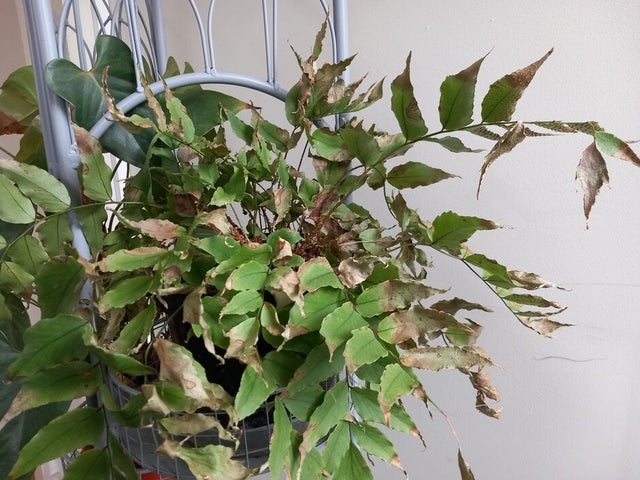
Gardenias require specific growing conditions and can develop various symptoms if their needs aren’t being met. These include:
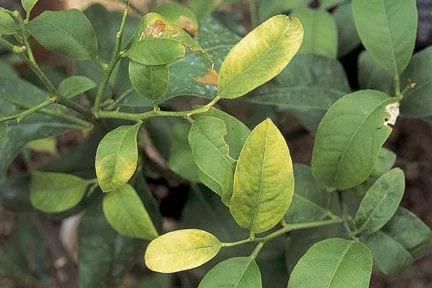
- Yellowing leaves – often on new growth and usually due to overwatering or iron deficiency. Too much water can damage the roots, leading to yellowing foliage. If overwatering isn’t to blame, then iron deficiency is likely, particularly in hard water areas. Apply chelated (sequestered) iron – and re-apply regularly if you’re using hard water. See our guide to leaf discoloration
- Browning leaves –too little water can cause leaves to turn brown at the tips and edges
- Yellow shoots (chlorosis)–this, and slow growth, are usually caused by poor light and low temperatures. Move the plant to a warmer, brighter spot
- No flowers – this can be due to hot nights, 18°C (65°F) or above, and dry air. Move the plant to a cooler spot and increase humidity
- drop – usually the result of extreme or fluctuating temperatures, too much or too little water, or irregular watering. Move the plant to a location that can be kept at a constant temperature. Keep the consistently damp in spring and summer, neither nor dried out
- Wilting leaves, even with moist compost – this indicates that moisture is being lost through the leaves more rapidly than it can be taken up by the roots. Move to a shadier position and mist the leaves several times a day with rainwater until the plant has recovered. Stand it in a tray of damp gravel in spring and summer to raise humidity
Also check plants regularly for -feeding insects, including red spider mites, mealybugs, scale insects and aphids.
For more tips, see the following guides: