
Liz’s Allotment Life: Preparing for a holiday
RHS Wisley Edibles Horticulturalist Liz Mooney shares what she’s sowing, growing and harvesting right now

RHS Wisley Edibles Horticulturalist Liz Mooney shares what she’s sowing, growing and harvesting right now
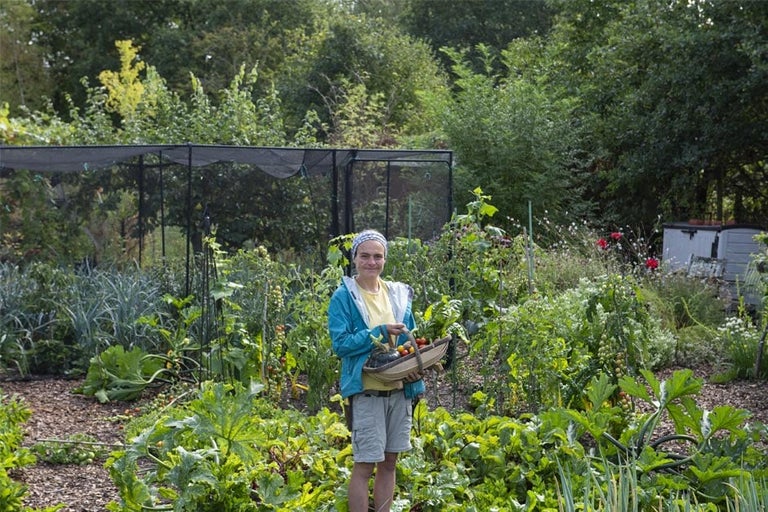
I always find returning to the allotment after time away slightly nerve-wracking. How have things coped in my absence? However, I try to take a practical, pragmatic approach to allotment gardening. I do this for fun, and any challenges can usually be adapted into opportunities to learn.
With that in mind, here’s a rundown of how I found the plot after my time away.
Lots of my are germinating well in the grow hut. I’m particularly pleased with the cucumbers and tomatoes, which needed out. I tend to leave a couple of plants in each 9cm pot, then divide them up at planting time.
Parsnips! These are notoriously difficult to germinate, and I’ve struggled with them in the past, but this year they’re coming up really well. I’m lucky that the soil on my allotment retains moisture without becoming too wet. I watered the seeds every time I visited to stop them drying out, and the drop in temperatures from the mid to high 20s, along with a little recent rain, has certainly helped. My other direct-sown crops, from carrots to beetroot, also seem to be thriving.
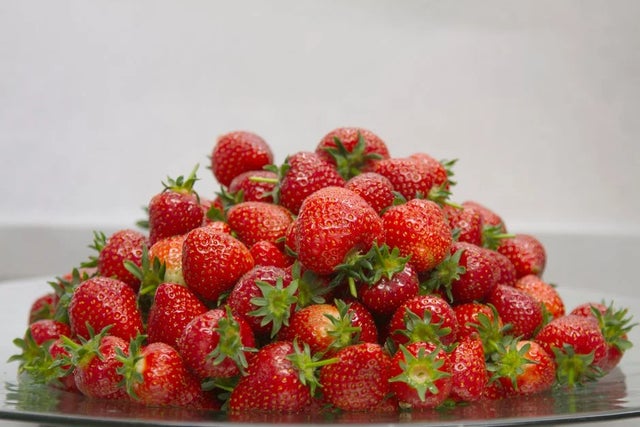
My fruit bed is a relatively new project, and all the plants are establishing well. I’m particularly pleased with the strawberries, which are covered in baby fruits, with the first already starting to turn red.

Harvesting has also been going well. The direct-sown lettuce I sowed earlier in the season has performed brilliantly, and I’m picking several times a week. I’m not sure I’ll get through it all before it flowers. Although I thinned the seedlings, I probably should have done so more aggressively as they’re overcrowded. Fortunately, it doesn’t affect the taste, which I can report is delicious.

I mainly use lettuce in salads and sandwiches, although with the quantity I’m harvesting, lettuce soup might need investigating. I’m also still enjoying all my vegetables, and fresh mint tea has become a daily addiction.
The weather has been a challenge. After the hot spell in late April and early May, we experienced a frost on the allotment, and all my potato foliage died. The plants themselves should recover and are already beginning to regrow, but the harvest may be delayed and yields slightly reduced.
As if that wasn’t enough, I was at the allotment earlier this week when a hailstorm hit – twice. The plot turned white, and the damage is evident on many crops’ leaves. I don’t think anything has been killed, just set back.

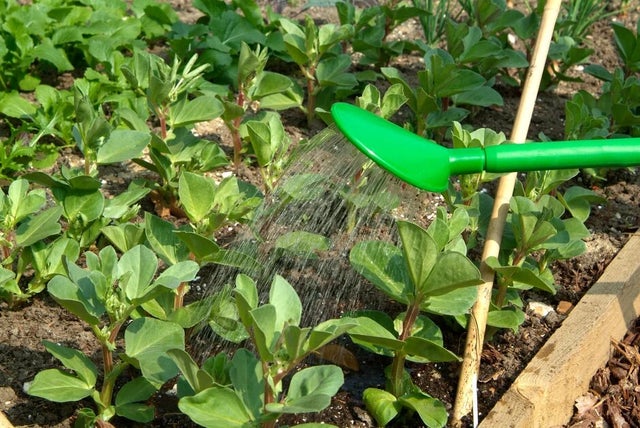
To add to the weather trouble, the recent welcome bursts of rain look set to stop just as temperatures begin climbing again. Back to watering it is.
Not all the seeds I sowed in the glasshouse germinated. The main culprits are the French beans and sweetcorn, neither of which emerged. I think this is because I tend to try to use old seed packets rather than wasting them, even when they’re well out of date - I don’t like waste.
I re-sowed everything, but by my next visit, the mice had eaten the lot, despite protection over the pots. I might try direct sowing in a couple of weeks and hope the mice can’t find the seeds among all the other plants.

Some of the germinated seedlings have also become very leggy, meaning they are not getting enough sun and are stretching in search of it. Unfortunately, this is a consequence of where I’ve had to position my grow hut and the fleece I’m using to try to protect the plants. They should recover once planted out, but they may not be quite as sturdy as I’d like.

The asparagus also got away from me while I was on holiday. I could have cut it back hard and allowed it to reshoot, but as the plants are still quite young, I’ve decided to let them grow and build up energy reserves for next year.
Chives (Alliumschoenoprasum) are excellent on the allotment. I’m a big fan of picking a few handfuls every visit and chopping them into salads, omelettes or cottage cheese.
The extra benefit of these plants is that their flowers are edible, adding colour to dishes while also supporting on the plot.

With late May fast approaching, I hope to soon be able to plant out all my tender crops; it should be this coming week or the week after, depending on the weather and when I find the time.
About Liz Mooney
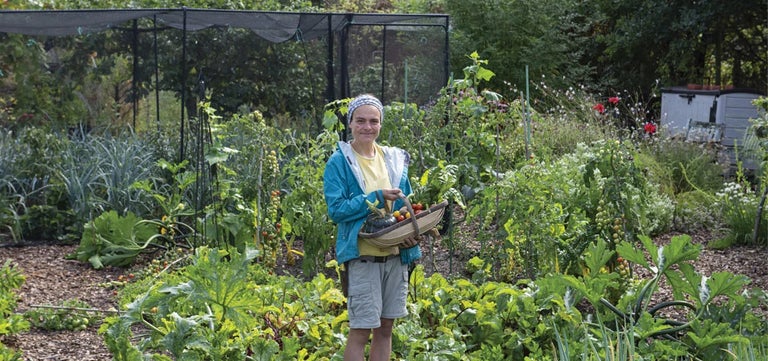
Liz Mooney is a horticulturist on the Edibles Team at RHS Garden Wisley. She grows most of the fresh fruit and vegetables in her diet on her 13 × 18m allotment plot in Surrey, using no-dig, chemical-free methods. Passionate about making the most of any growing space, she shares practical, experience-led advice to help others grow more of their own food.