


















What can I do about climate change in my garden?
However small or large your garden is, there’s lots you can do to help combat the causes and effects of climate breakdown

Extremes of wind, rain, snow, frost and sun are battering the world more than ever and sometimes it may seem an uphill battle to enjoy your outside space, but there are things you can do to weatherproof your garden
Wind doesn’t just effect coastal gardens, the same problem can effect exposed gardens, roof tops, balconies, or any areas with a wind tunnel, such as a side alley. Dessicating winds can strip leaves and soil of moisture. Wind can break branches and even whole trunks, which can cause further damage as they fall.
Greenhouses and other glass is at risk from flying objects and outdoor furniture can end up in next door’s garden, so take care to check which items in your garden could be blown around or away, storing them inside a shed or the home when needed. Some of main culprits are trampolines, bins, sheds, fences and plastic toys. Think about where you will store items before you purchase them and in cases of extreme gales either put them away or anchor them securely.
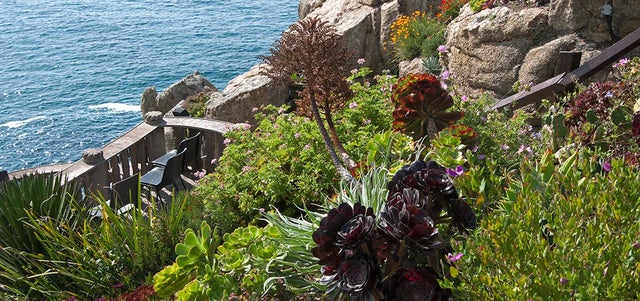
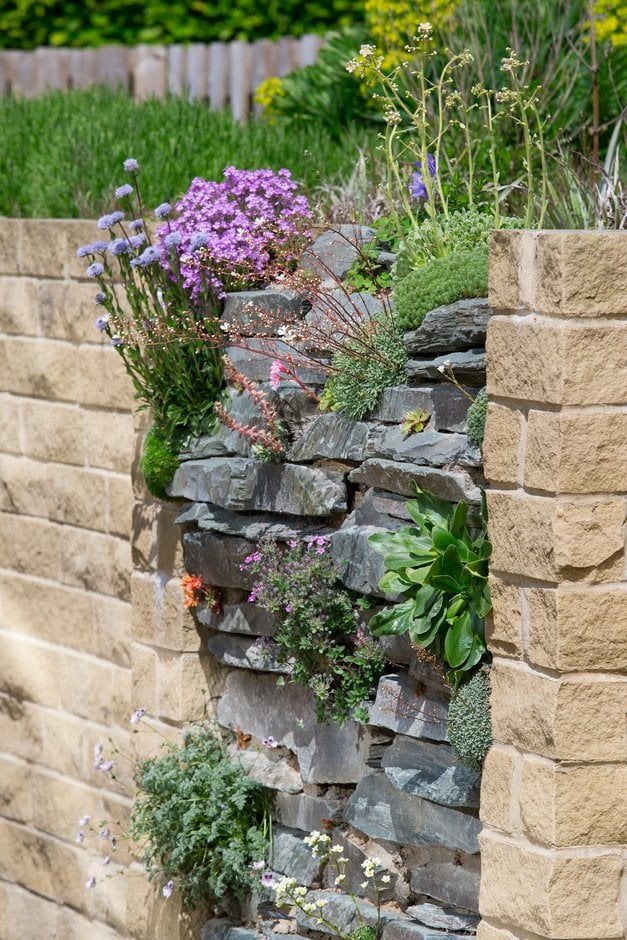
Plants whose natural habitat is by the sea or on a mountain top have adapted to cope with these extreme conditions. Take inspiration from these types of location, and adapt them for your garden. However, strong gusts can uproot large trees, break heavy branches and cause serious damage. Take time to assess trees in your area and if strong winds are forecast consider what damage might be caused if they were to fall. Move vehicles away from large trees where possible.

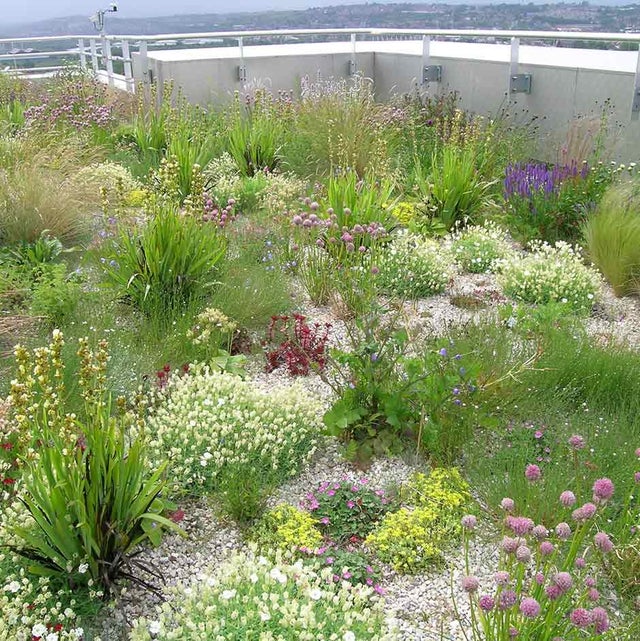
Utilise every outdoor space available, including balconies and rooftops. These often take the worst of the wind, but with careful planning can be beautiful spaces.
Find out more >
As pretty as snow may be, as with everything, too much can be a bad thing. With an increase in unseasonal and unusually prolonged periods of snowfall, best garden practice is to shake the weight off branches to save them from damage.
Snow actually has a blanketing effect, insulating plants from frost, but your tender plants are not going to be happy with that. If heavy snow is forecast, move all non-hardy plants to a sheltered place, be that a greenhouse, covered outside area or a conservatory. Plants with weaker stems or branches may also be damaged, so consider which might need protection.

Help the wildlife in your garden during snowy months and enjoy watching their antics at the same time. When snow falls, wildlife often struggles to seek out food, but you can help.
Find out more >
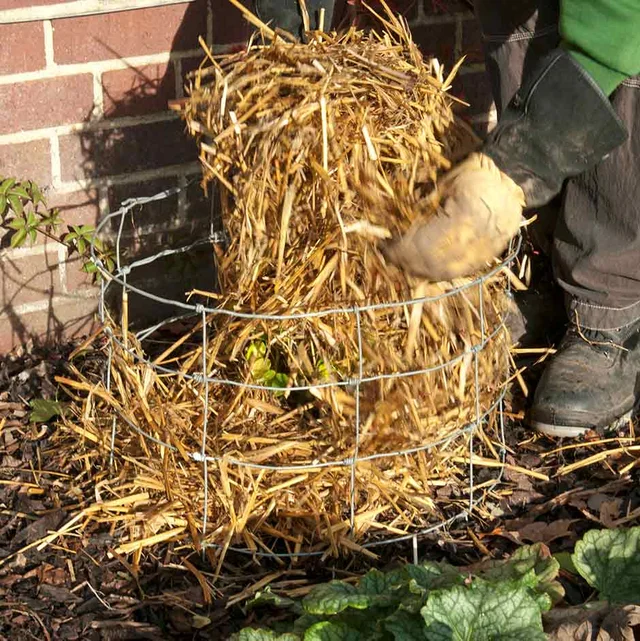
Frost is the worst enemy of many plants, causing death and destruction. Prolonged periods of frost can cause lasting damage that weaken a plant beyond recovery, and often catches gardeners unaware. If frost is forecast move pots near the walls of your home to borrow some warmth, and keep or old fabric at hand to cover precious plants if temperatures look set to plummet. Also beware of frosts after a warm spell, which can shock a plant enough to kill it, forewarned is forearmed.
If your garden has frost pockets (areas where frost settles, usually at the bottom of a slope in cold areas), consider how to change the layout to break up the flow, or adjust the planting scheme to include frost-hardy plants.

Leave seedheads on plants to enjoy their unique structures after frost, and at the same time help the wildlife in your garden. Head out with your camera to capture frosty scenes.
Find out more >
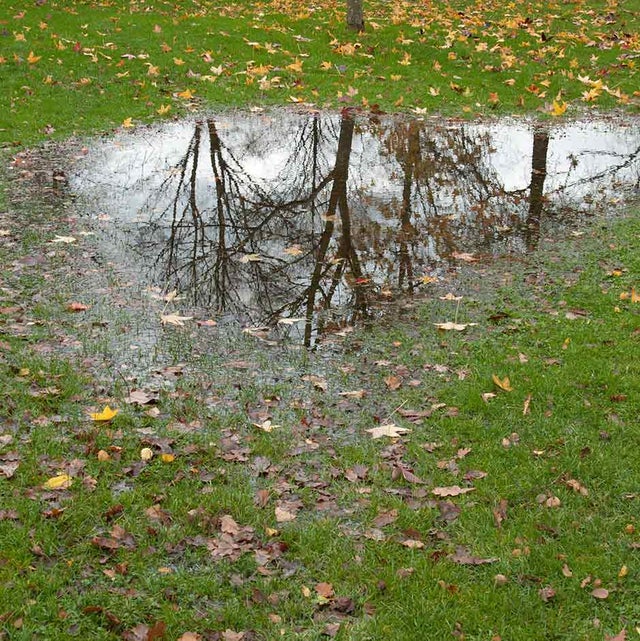
Plants need rain, but we are experiencing more frequent and heavier downpours, leading to flooded lawns, soggy borders, containers and unhappy plants. Try to collect as much rainwater as possible, using water butts connected to downpipes. You can fit a diverter that redirects the water back to the downpipe once the butt is full. Water butts come in all shapes and sizes, including slimline and decorative versions, so there really is a water butt for all sizes of garden.
Rain chains have grown in popularity as a stylish alternative to a downpipe, with many seen at RHS Shows in the last few years. These connect to your gutter and act in the same way as a downpipe, but also create a waterfall effect, which is mesmerising to watch as the water trickles down the chain.
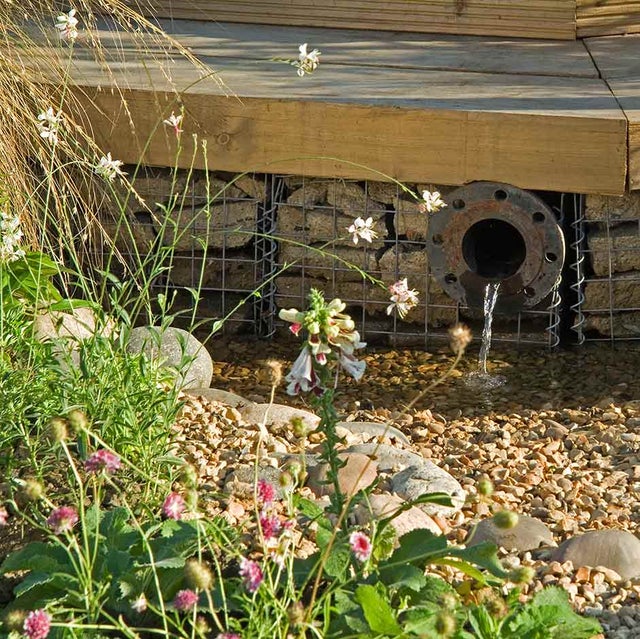
Rain gardens and swales are an area where water is allowed to collect, slowing water flow and reducing erosion and damage. These can be created as part of a water butt overflow or rain chain system, and made into an attractive feature using plants which are happy in very wet conditions but can also cope when there is no water.
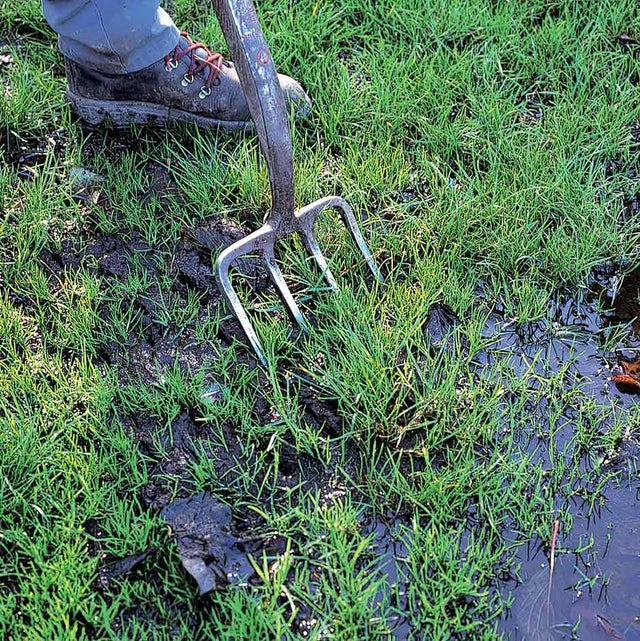
You may need to provide more support for plants during heavy downpours, and cut back soggy plants if they risk damaging surrounding plants. Take note of where water collects in your garden and plan how to remedy with drainage or move plants to other locations.

Try creating a beautiful wildlife-friendly pond where additional water can be useful. Chanelling surplus rainwater into a water feature means less risk to you and your neighbours from flash flooding and are a rich habitat for local wildlife.
Find out more >
Prolonged periods of sunshine in the warmer months can quickly cause a plant to wither and retreat. Sun dries out both leaves and roots, so always think about the theory of ‘right plant, right place,’ considering the plants natural habitat and what it needs to thrive. If it’s a woodland shade-lover, plant it in dappled shade with humus-rich soil, but if it’s a sun-lover make sure it gets enough daylight sunshine and soil that doesn’t sit wet or it will sulk. Research what your plant needs or study the label, which will usually tell you its soil and light requirements, or use the RHS Plant Finder to look up your plant.

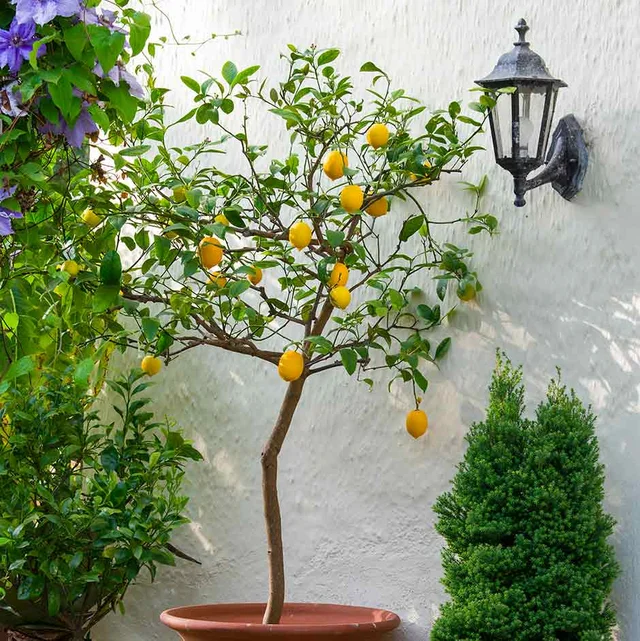
Make the most of those sun-baked areas by choosing plants that suit the location. There are many plants that thrive in sunny spots, and give you that Mediterranean feel.
Find out more >