
Rain-fed wildlife-friendly pond step-by-step

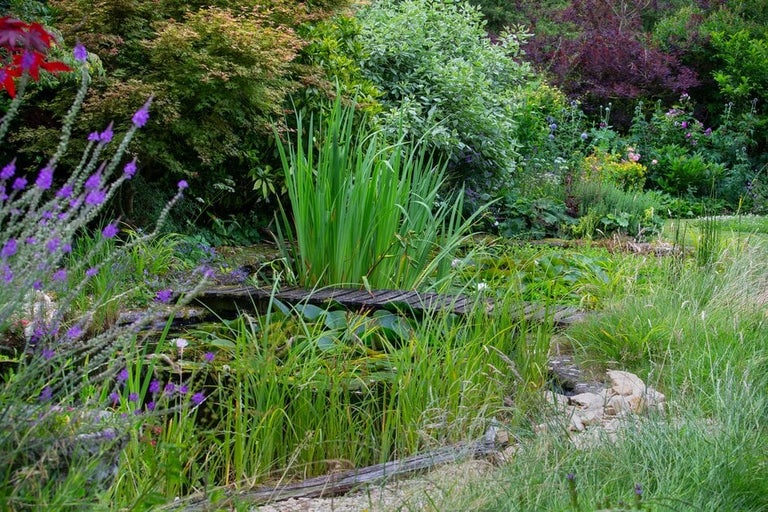
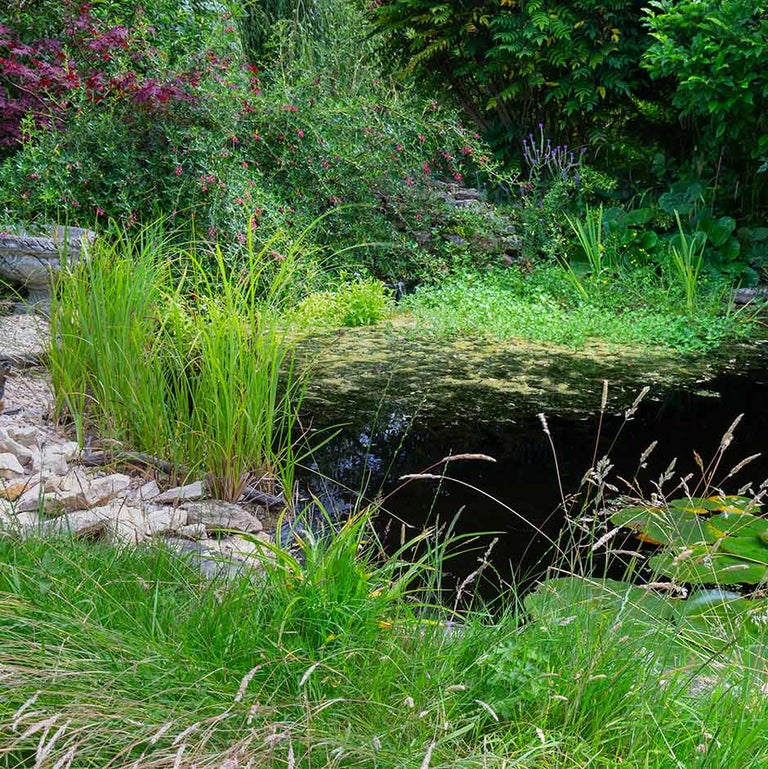
Turn the problem of rainwater run-off into a beautiful wildlife-friendly pond. This project is great for a DIY enthusiast or could be done with the help of a good landscaper. Chanelling surplus rainwater into a water feature means less risk to you and your neighbours from flash flooding and a rich habitat for local wildlife.


Quick facts

Rain-fed ponds can be part of rain gardens

1

Reducing stormwater run-off from front gardens helps protect homes from flooding

2

A seasonal pond which dries up in summer is still great for wildlife

3

Getting started

What you'll need to make your wildlife-friendly rain-fed pond;

  • A rainwater diverter or flexible pipe to carry the water from your downpipe
  • A large sheet of pond liner
  • Some sand or underlay to protect the liner on stony soil
  • Gabions and large stones or broken paving slabs
  • Gravel or cobbles
  • A mix of pond and marginal plants

A rain-fed wildlife pond in eight steps

Image
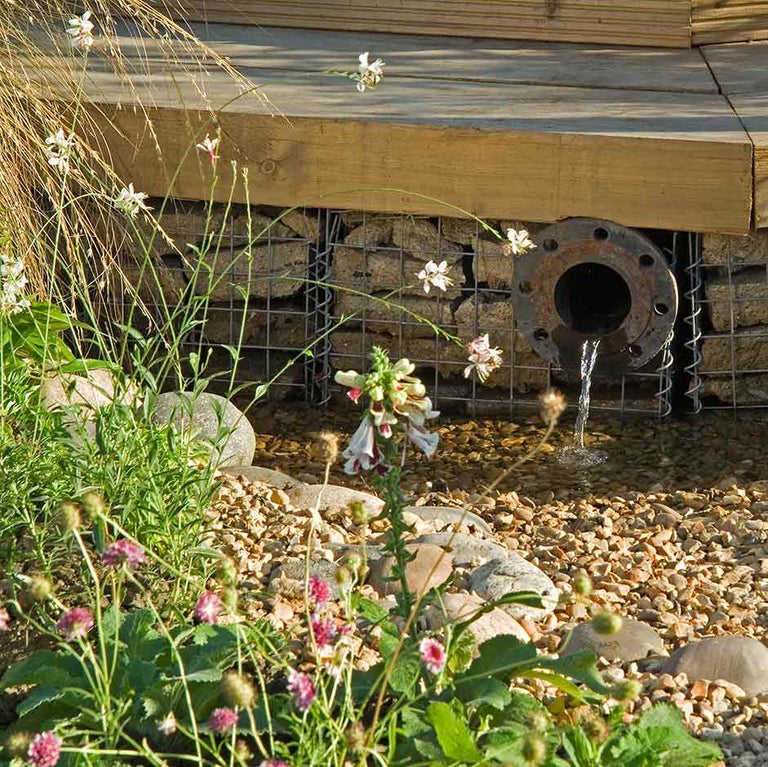
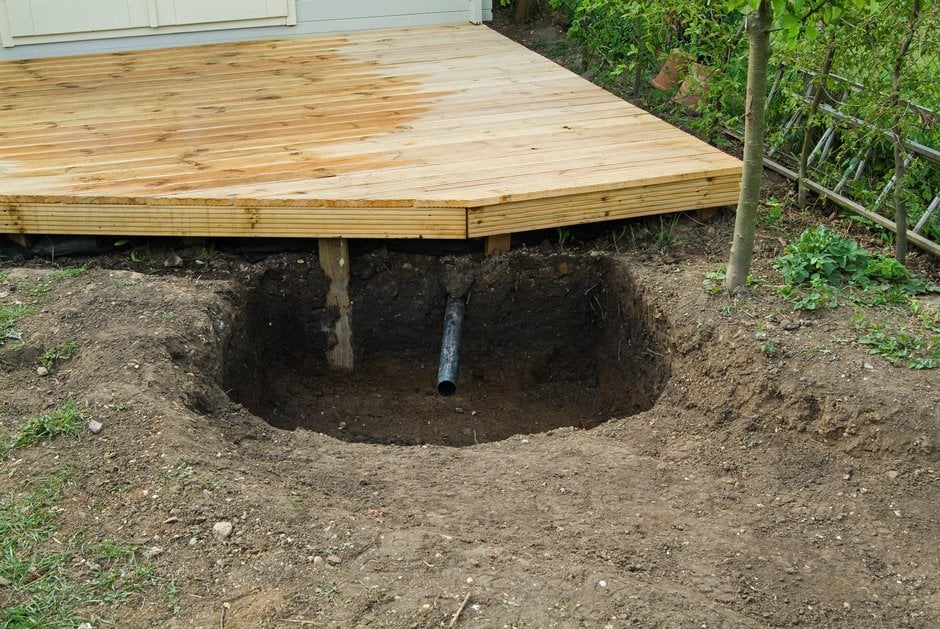
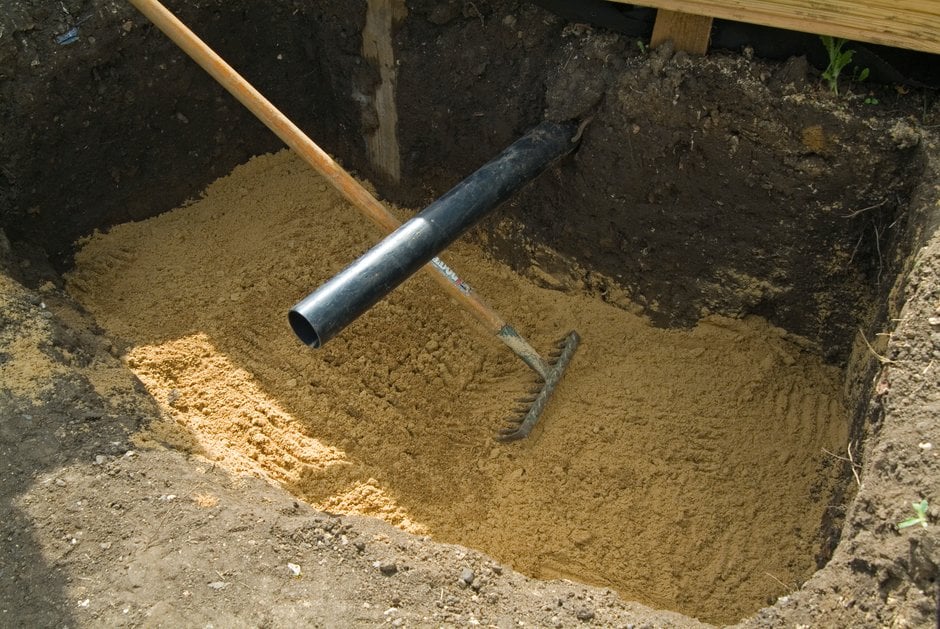
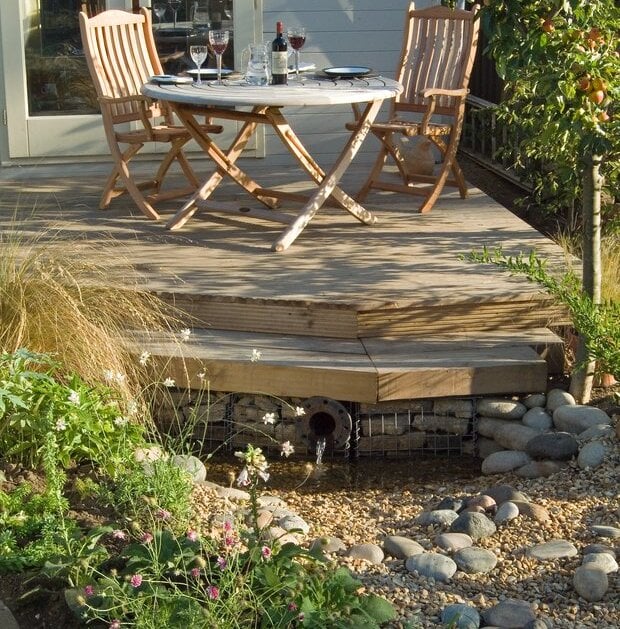
  • Dig a hole and connect to a downpipe - Dig a hole (at least 30cm/1ft deep and 90cm/3ft diameter) for your pond several meters* out from a garden shed or building. Connect it to the downpipe with a piece of pipe. Make sure there is a slight fall on the pipe. Here we run the pipe under a garden deck. *If siting your rain garden closer than 5m (16ft) to your house, seek advice from a Geotechnical Adviser or Registered Ground Engineering Professional to avoid any damage to foundations by infiltrating water.
Image
  • Safeguard from punctures - On stony ground line the hole and any depression where the liner will extend to with sand to safeguard from punctures.
Image
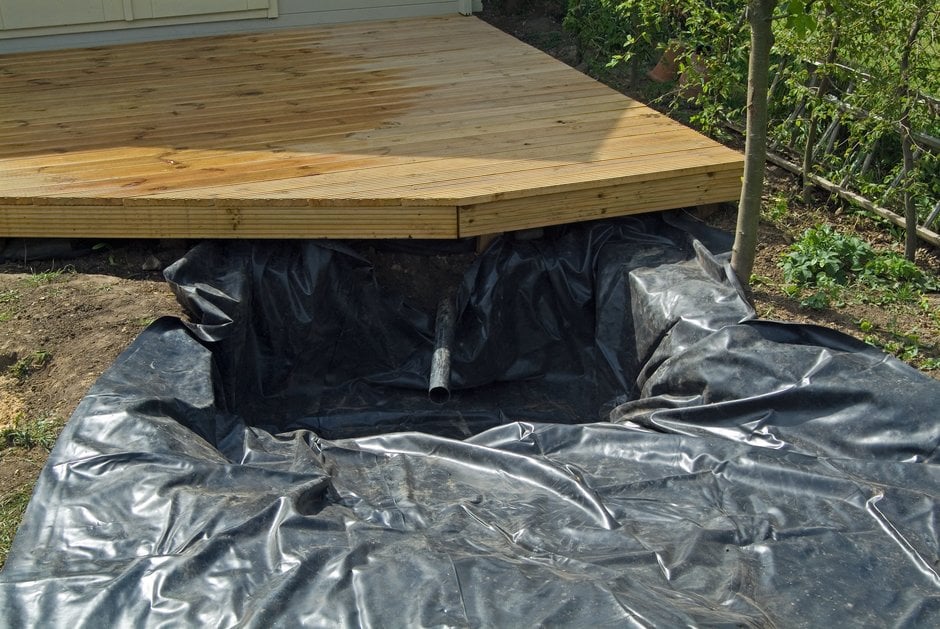
  • Fit the pond liner - Lay out the liner, leaving a bit of slack for when it is filled with water.
Image
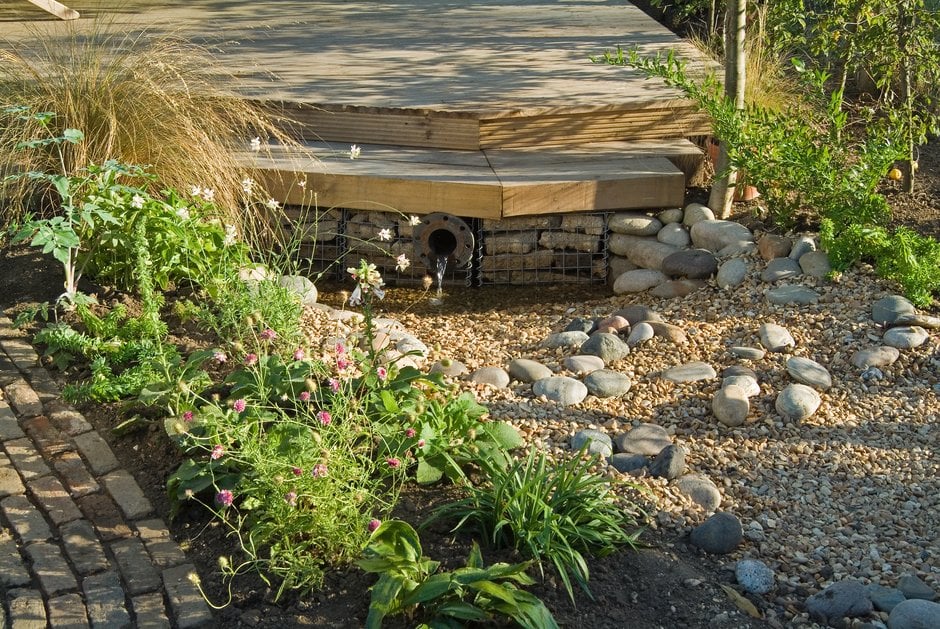
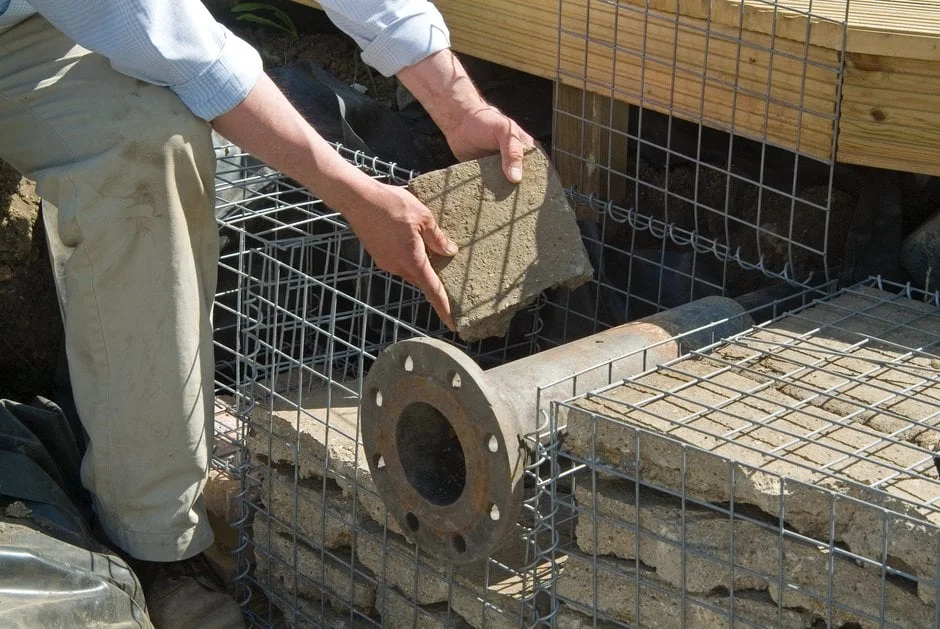
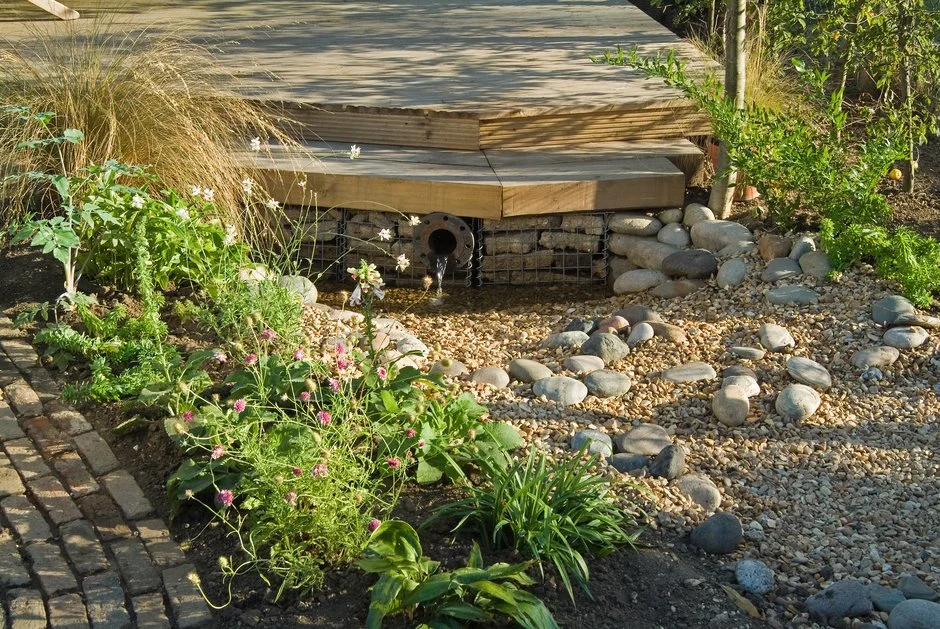
  • Disguise the outlet pipe - We used an old industrial piece of piping and added some gabions filled with old concrete paving slabs which will create hiding spaces for amphibians.
Image
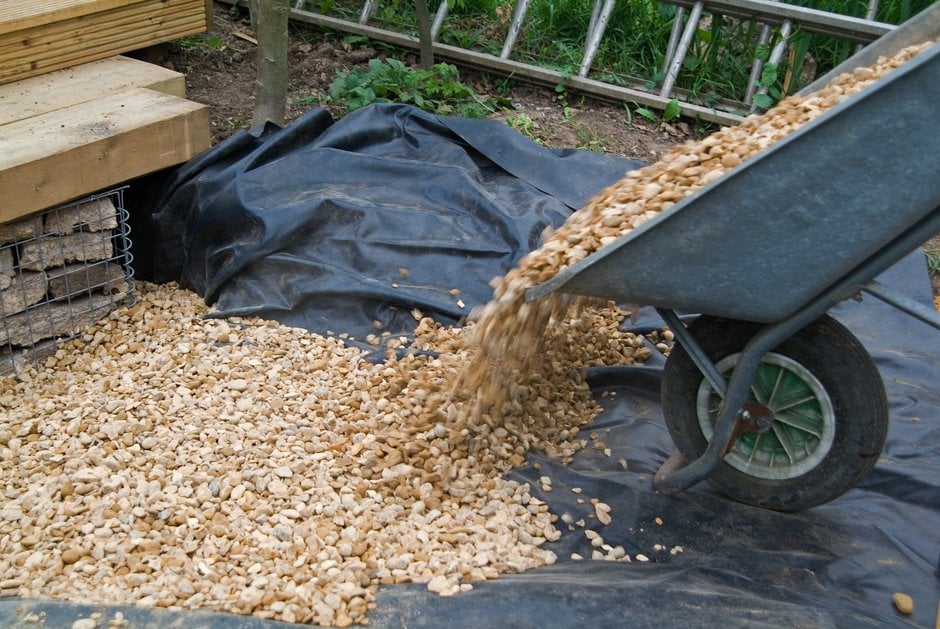
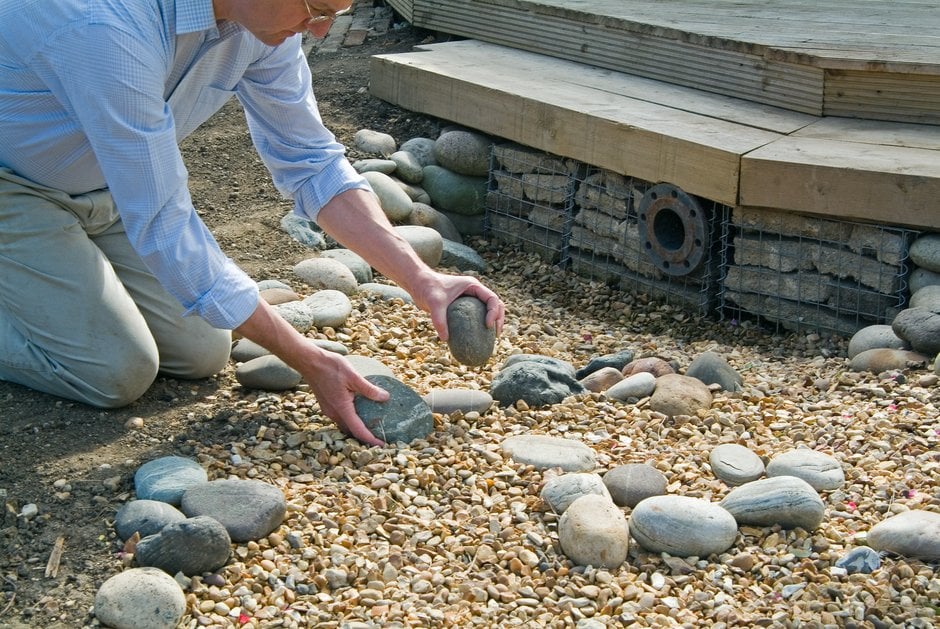
  • Cover up the liner - Hide the liner with gravel or pebbles. You can tuck any loose edges into the soil with a spade. A long shallow slope where water levels can rise and fall is ideal for wildlife
Image
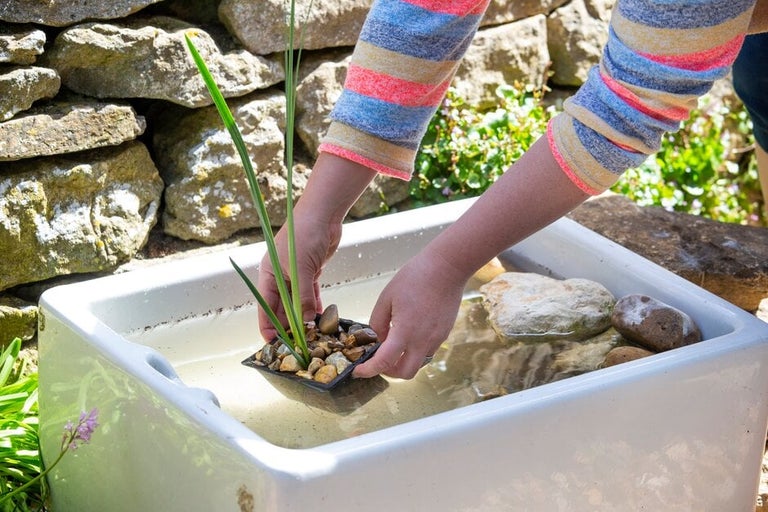
  • Plant the edges of your pond - Finish off by planting the edges with plants that cope with an occasional flooding as this area will absorb excess rainwater in the event of a rainstorm. with more gravel.
Image
  • Give wildlife a helping hand - Place cobbles or stones to offer birds and hedgehogs easy access for a drink. Let the pond naturally fill with rainwater.
Image
  • Job done! Sit back and enjoy

RHS Guides, you may also like