Quick Facts
Many are easy to grow and low maintenance
Compact plants that live for several years
Most are hardy, but dislike consistently damp soil
Flower prolifically, at various times of year
Most like free-draining soil and sun
Best to plant in spring or autumn
Make new plants usually by division


Before you get started
What are alpines?
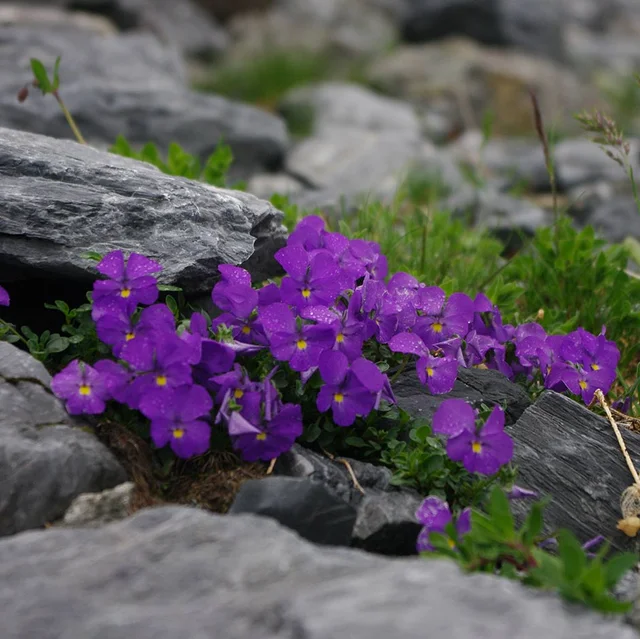
Alpines are plants that originate high in the mountains, usually above the treeline. They have to be tough to live in these extreme locations, surviving cold temperatures, lack of water, strong winds, harsh sun and thin, rocky soil. They tend to be low growing and produce bright flowers in a wide choice of colours.
Most alpines are perennials that live for several years, but there are also some alpine bulbs and even dwarf shrubs.
Many small plants are often sold as alpines, even if they don’t originate in alpine areas.
Choosing the right alpines
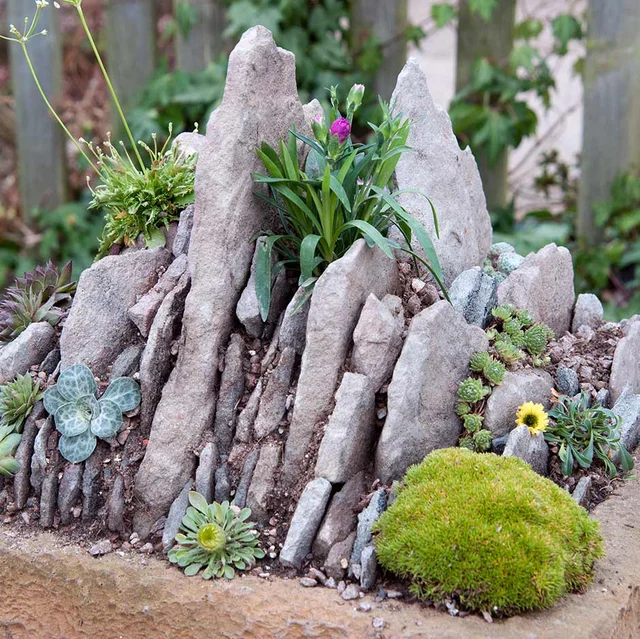
Their compact nature means alpines are particularly suitable for small gardens and containers, where you can create a colourful array of plants in very little space.
Being robust and hardy, they cope well in cold, exposed sites.
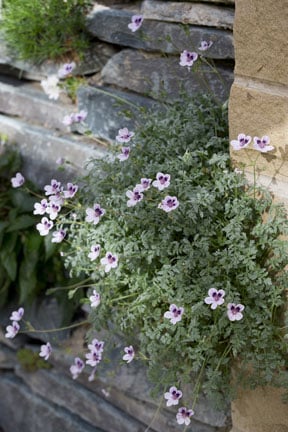
Most alpines are adapted to dry, rocky conditions, so need gritty, free-draining soil in our gardens. This makes them ideal for containers, gravel gardens, raised beds and rock gardens, or even rocky crevices, dry-stone walls and between paving.
Alpines don’t like heavy, consistently damp soil, especially in winter. If your soil is heavy clay or tends to get , it is best to grow alpines in containers.
Always check plant labels before buying, to ensure the plants you choose will thrive in your conditions.
Getting the right look
Alpines are usually grown as part of a collection, forming a tapestry of different textures, shapes and flower colours, often in a small area. When choosing plants that will work well together, consider their various characteristics:
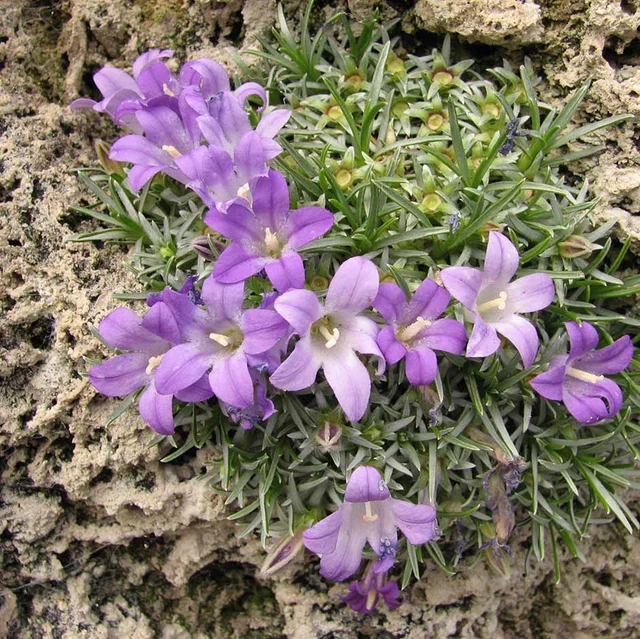
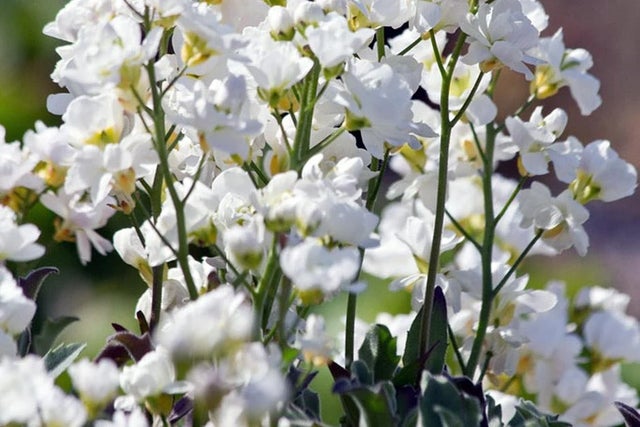
- Flower colour – many alpines have vibrant, gem-like flowers. For a collection, choose plants that flower in different seasons to spread the colour across the year.
- Foliage – combine different types of foliage to provide interest when the plants aren’t in flower. Some have patterned, lacy, downy or silvery leaves. Select both evergreens (which keep their leaves all year) and plants (which lose their leaves over winter).
- Size – most alpines are compact, some barely a few centimetres high. Choose variations in height for visual appeal.
- Style of growth – combine low ground-huggers with mound-like cushion plants, as well as some with short but upright stems, such as dwarf shrubs or . Alpines that form spreading clumps look great cascading over the side of a container or down a dry-stone wall or over rocks.
How and what to buy
You will find a wide range of alpines all year round in garden centres, as well as at specialist nurseries or via their websites. They are usually inexpensive, and sold in 9cm (3½in) pots or larger. Smaller, cheaper plants may be available in spring.
Where to get ideas and advice
To explore and narrow down your potential planting choices, you can:
- Visit gardens with alpine displays and see which plants you like best. All the RHS Gardens feature alpine displays, whether in containers or rock gardens, and all the plants are labelled, so you can note down your favourites.
- Go to RHS Find a Plant and search for ‘alpines’ to browse the photographs and plant descriptions, and find out where to buy them.
- Visit RHS Flower Shows to see displays by alpine growers and buy plants.
- Ask at local garden centres, which should offer a range of alpines that do well in your local conditions.
- Visit a specialist alpine nursery, in person or online.
- Contact the Alpine Garden Society, which provides growing advice on its website and has regional branches across the country that stage plant shows and other events.
Planting
When to plant
You can plant alpines at any time of year, but they will settle in best in spring, when the soil is starting to warm up. Early autumn is also a good time to plant.
Avoid planting in hot or very cold weather
Newly planted alpines will struggle to cope with extremes of temperature until their roots are well established.
Where to plant
Good drainage is key, so always plant alpines in soil or that drains rapidly and doesn’t become . Raised beds, rock gardens and gravel gardens are usually ideal, as are containers filled with free-draining, peat-free compost.
Containers must have drainage holes in the base. To ensure these don’t become blocked, stand the container above the ground on ‘feet’ (or bricks. In damp parts of the UK, it is best to move the container into the rain-shadow of a wall over winter, so it doesn’t get too wet.
Most alpines like plenty of sun, although there are options for shady spots too. Check plant labels carefully before you buy.
How to plant in the ground
As they are small, alpines are easy to handle, and quick and straightforward to plant. Simply follow the steps for larger plants:
How to plant in containers
When planting alpines in containers, use a free-draining 50:50 mix of soil-based, peat-free compost and horticultural grit or .
Choose a container with plenty of drainage holes in the base, so the compost never gets waterlogged. Traditional containers for alpines include sinks and stone troughs, and shallow terracotta pots called pans.
For step-by-step planting tips, see our container planting guide.
After planting, spread a layer of horticultural grit or gravel over the surface to keep the leaves of these low-growing plants off the damp compost. This mulch not only looks attractive, but also helps to prevent rot by keeping the neck of the plant and lower leaves dry. It also stops rain splashing any loose compost onto the flowers and foliage and spoiling them.
Ongoing Care
Most alpines are tough and hardy, and will generally look after themselves in the rockery, once they’ve settled in. Container plants will need repotting every few years into fresh soil however, to keep the plants and their roots healthy.
See our guide on container maintenance
Watering
Many alpines are drought tolerant at high altitudes where the temperatures are much cooler, but at lower altitudes where the climate is warmer such as in our gardens, plants may dry out faster and need more regular watering, particularly in hot, dry weather. This is particularly true of newly planted alpines in the rockery, which have not yet established and for plants in containers, in which the can dry out quickly.
Over time, most alpines planted in a rockery will put down deep roots to find water, which reduces their need for additional watering.
See our video guide to watering efficiently.
Watering alpines
Direct the water onto the soil, rather than the foliage, as alpines are susceptible to rotting if they get too damp.
Feeding
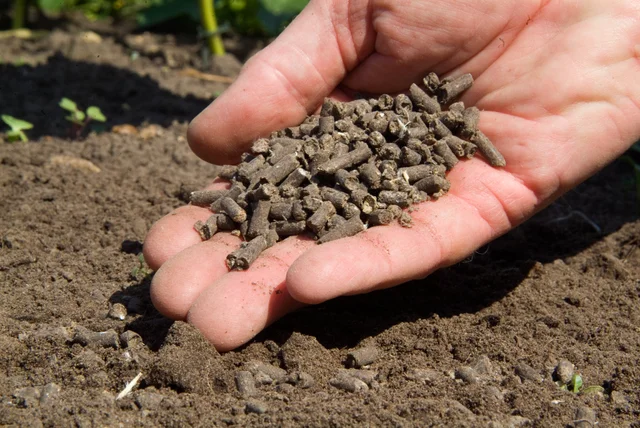
Plants in containers may benefit from a slow-release fertiliser applied in early spring.
Weeding
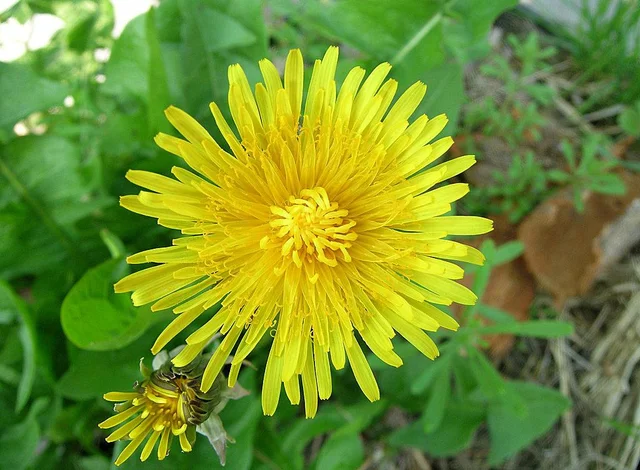
Weed alpine collections regularly, otherwise these compact plants can quickly get overwhelmed by stronger-growing weeds. Keep the gravel mulch topped up to deter the of weed seeds.
Mulching
A mulch of gravel or grit added to the surface of the soil or compost:
- prevents the lower leaves touching damp soil or compost, which can cause them to rot.
- looks attractive, mimicking their natural growing conditions.
- stops rain splashing mud onto flowers and leaves near ground level.
- hinders the germination of weed seeds.
- helps to deter slugs and snails, which like to eat the soft young shoots of alpines.
Deadheading
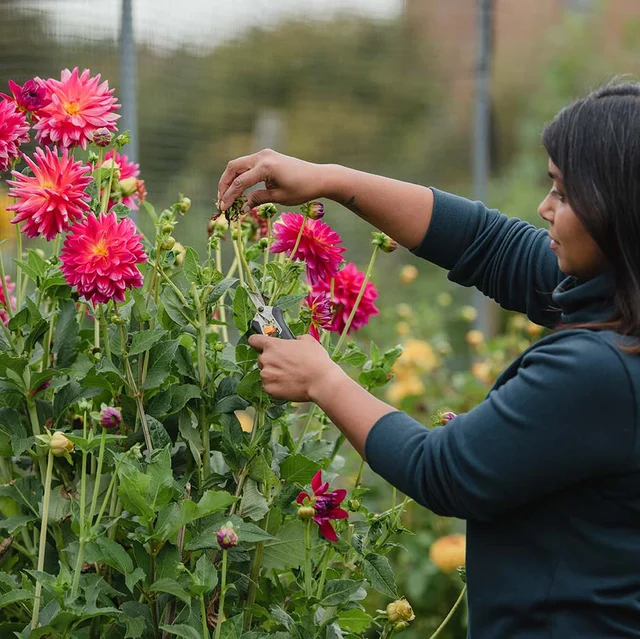
Most alpines will flower for longer if deadheaded regularly, but this is often impractical with such small plants.
Dwarf alpine should be deadheaded if possible, so the plant’s energy goes back into the bulb, rather than into making seeds. This helps to ensure a good display the following year.
Overwintering
Make sure alpines don’t get over winter, as it can cause them to rot and die. If possible, move containers into the lee of a wall, where they will get less rain. Ensure your containers are also raised up on bricks, to keep the drainage holes clear.
Caring for older plants
Most alpines will live for several years. They are usually slow growing, but if clumps do spread beyond their bounds, trim them back lightly after flowering.
Alternatively, lift and divide the clump to make several new, smaller plants – see our guide to dividing perennials.
Pruning and Training
Most alpines stay compact and don’t need pruning. More vigorous spreaders can be trimmed back lightly after flowering if necessary.
Propagating
Clump-forming alpines that are well established can be divided to create several new, smaller plants – see our step-by-step guide to dividing perennials.
Many alpine perennials, succulents and dwarf shrubs can also be propagated by taking – either softwood, semi-ripe or hardwood, depending on the time of year.
Some alpines can be grown from seed – see our guide to collecting and storing seeds and our step-by-step guide to sowing seeds indoors.
Rosette-forming alpine , such as sempervivums, often produce small (or offsets) around the outside. Once rooted, these can be detached and planted elsewhere to create a new colony.
Problems
These tough plants are relatively trouble free, but drought-tolerant alpines are prone to rot and fungal diseases if allowed to get too damp, especially in winter when they’re not in active growth.
Why alpines don't like damp winters
Alpines grow naturally in areas where temperatures fall very low in winter, so water tends to be frozen and inaccessible to them. As a result they have adapted to survive on very little water over winter.
A few pests may attack them, including:
- Slugs and snails will often eat the soft, fleshy growth, but a mulch of horticultural grit around susceptible plants should help to deter them. Plants in troughs or sinks, raised up off the ground, may also be less accessible to these pests.
- Ants can colonise containers on the ground or the free-draining, gritty soil in rockeries or gravel gardens.
- Vine weevils may be a problem in containers.
- Aphid infestations can damage alpines and also transmit viruses.
- Birds may pull and cushion plants apart.