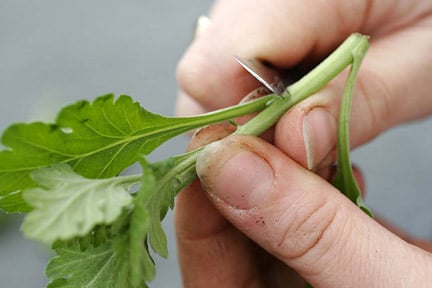
Hardwood cuttings provide an easy and reliable method of propagating a range of deciduous climbers, trees and shrubs, and as bonus, they are taken from mid-autumn until late winter when more time is usually available to the gardener. Some evergreen plants, hollies for example, can also be taken at the same time of year as other hardwood cuttings.
By The RHS Advice Team
Quick facts
Suitable for - Many climbers, shrubs and trees, including fruit
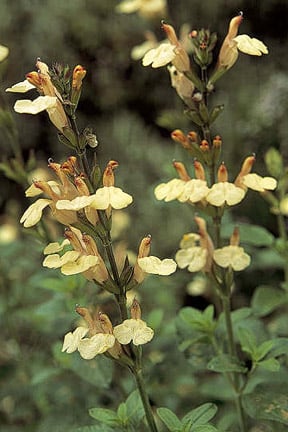
Most shrubs including: Abelia, Deutzia, Buddleja (butterfly bush), Cornus (dogwood), Forsythia, Philadelphus (mock orange) Ribes (flowering currant), Rosa (rose), and Symphoricarpos and viburnums.
Many climbers can be propagated by : Vitis (vines), Lonicera (honeysuckle), Jasminum, and Parthenocissus.
Fruit, including: gooseberries, black, red and white currants, fig, mulberry.
Trees, including: Platanus (plane), Populus (poplars) and Salix (willow)
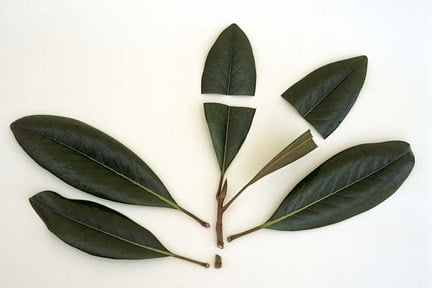
Although usually restricted to deciduous plants, some evergreen can be taken at the same time as hardwood cuttings including Cotoneaster, Ilex (holly), Ligustrum (privet) and Skimmia. The best technique for taking evergreen cuttings at this time of year is that used for semi-ripe cuttings.
When to take hardwood cuttings
Hardwood cutting are taken in the dormant season (mid-autumn until late winter) after leaf fall, avoiding periods of . The ideal time is just after leaf fall or just before -burst in spring.
Although this type of cutting may be slow to develop roots and shoots, it is usually successful.
The can generally be forgotten about until the following year, as the cut surface undergoes a period of callusing over the winter from which roots will develop in the spring.
How to take hardwood cuttings
are often grown on outdoors in the ground in a prepared trench. However, if you are only taking a small number, you can grow them on in containers too. Some, dogwoods for example, benefit from protection with cloches or coldframe.
Hardwood cuttings grown on outdoors
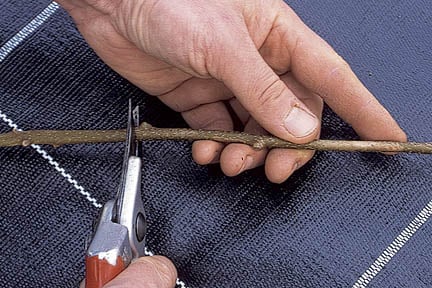
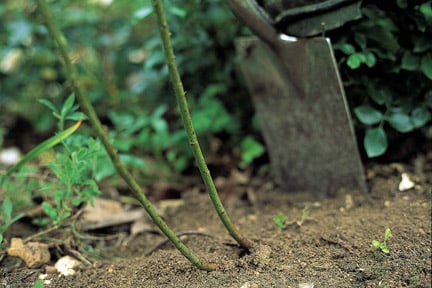
Select vigorous healthy shoots that have grown in the current year
Remove the soft tip growth
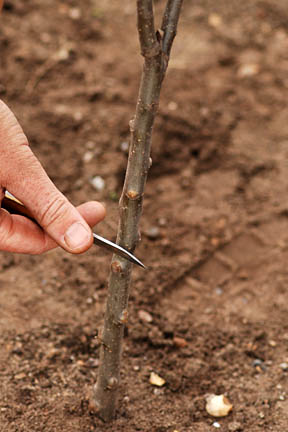
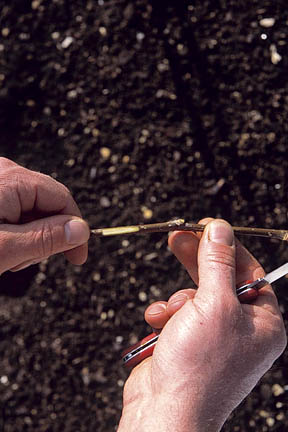
Cut into sections 15-30cm (6in-1ft) long, cutting cleanly above a at the top, with a sloping cut to shed water and as a reminder which end is the top
Cut straight across at the base below a bud or pair of buds and dip the lower cut end in a rooting compound such as Clonex if available. Cut though the ‘heel’ where the shoot joins a branch for shrubs with pithy stems such as Sambucus (elder)
Prepare a trench outdoors in a sheltered site with well-drained soil. Dig in a bucketful of garden or other organic matter every square metre or yard
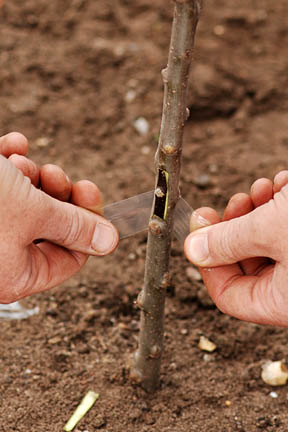
Insert the into the ground or pot with two-thirds of the cutting below the surface, with a layer of sand in the base. The roots will form along the stem. A few buds remain above the ground to allow the plant to grow away in spring. Where a single stemmed plant is aimed for, such as Populus or gooseberry, either leave only one bud above ground or rub off surplus buds
Allow 10-15cm (4-6in) between cuttings and 40cm (16in) between trenches
Check the trench after frosts and firm back if required
Cuttings should be left in place until the following autumn ensuring that they do not dry out in dry periods in summer
Hardwood cuttings of slow rooting plants
If outdoor conditions are unsuitable, or for slow rooting plants, bundles of 10 to 12 cuttings can be temporarily planted in a frame or pot filled with moist sand until the spring. Cornus and Laburnum are examples of hardwood cuttings which may take longer to root.
In early spring, before the buds break, make a trench 12.5cm (5in) deep and set the cuttings out as described above.
If you need more than one row, space them 30-40cm (1ft-16in) apart. Firm the soil around the cuttings.
The following autumn the cuttings should have rooted and can be planted out or potted on as required.
Hardwood cuttings in containers
If you are only taking a few cuttings, there is no need to dig a trench as outlined above, simply insert cuttings into deep containers of gritty potting medium such as 50:50 coarse grit and multi-purpose compost. Keep the pots in a sheltered or unheated greenhouse until the following autumn, ensuring that they do not dry out.
Problems
In cold winters or regions may root better with protection from a coldframe, cloches or inside a building.
will need to be protected from rabbits and deer if they are a local problem. Mouse and rat control may also be needed.