.jpg?w=1280&fit=clip&fm=jpg&auto=format)

_6374.JPG?w=1280&fit=clip&fm=jpg&auto=format)




Seed: collecting and storing
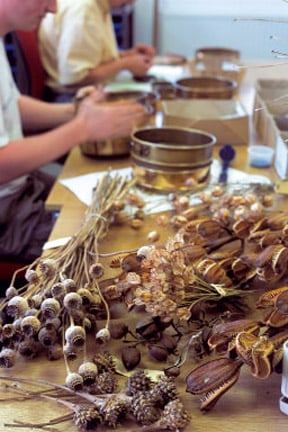
Growing plants from seed is generally straightforward and inexpensive. It is an opportunity to increase the number of plants in your garden for free.

Choose the best plants to grow for winter seedhead interest in your garden, with the top five seedheads for wildlife, selected by RHS Wildlife Specialist Helen Bostock
"To appreciate the beauty of a snowflake, it is necessary to stand out in the cold Aristotle"

Wise words from Ancient Greek philosopher, Aristotle, which apply equally to gardens and plants in the winter months. As the days grow shorter and darker, plants take on a new and, some may say, more interesting profile, as they shed their petals, leaving us with skeletal forms that can be breath-taking in their beauty.

For many years we were advised to tidy up the garden in autumn, preparing it (and us) for winter. Plants were cut to the ground, tools were cleaned and put away. Today’s gardeners know better; we revel in the beauty of the naked form and are entranced by the veined and ghostly scene in our winter borders.

Seedheads of Veronicastrum virginicum ‘Temptation’
It’s not just all about looks. Alongside the beauty of winter seedheads, the added benefits to wildlife have been extensively recorded. The dry hollow stems of perennials provide homes for insects through the winter and the seeds are vital food for birds and small mammals.


Who loves them: Ladybirds and birds
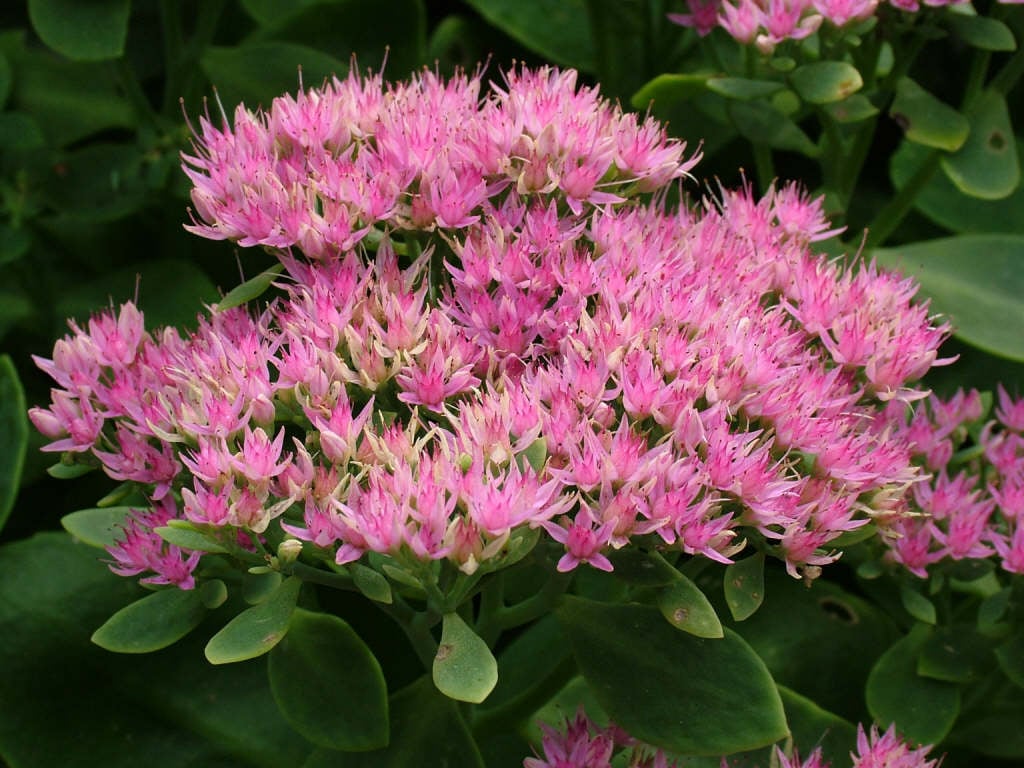
These hold their structure well into late autumn and in Helen’s garden they are hotspots for seven-spot ladybirds taking shelter over winter. Rich in they are loved by bees and hoverflies earlier in the year but birds love to eat the seeds in the winter months.

Who loves them: Chaffinches and goldfinches
Appreciated by gardeners for their soft, silvery foliage and spikes of mauve flowers, if left to set seed these will attract chaffinches and goldfinches.

Who loves them: House sparrows and bluetits
An obvious and easy to grow choice, these sunny blooms are popular with house sparrows and bluetits, and growing your own will save buying sunflower seeds for birdfeeders.

Who loves them: Goldfinches
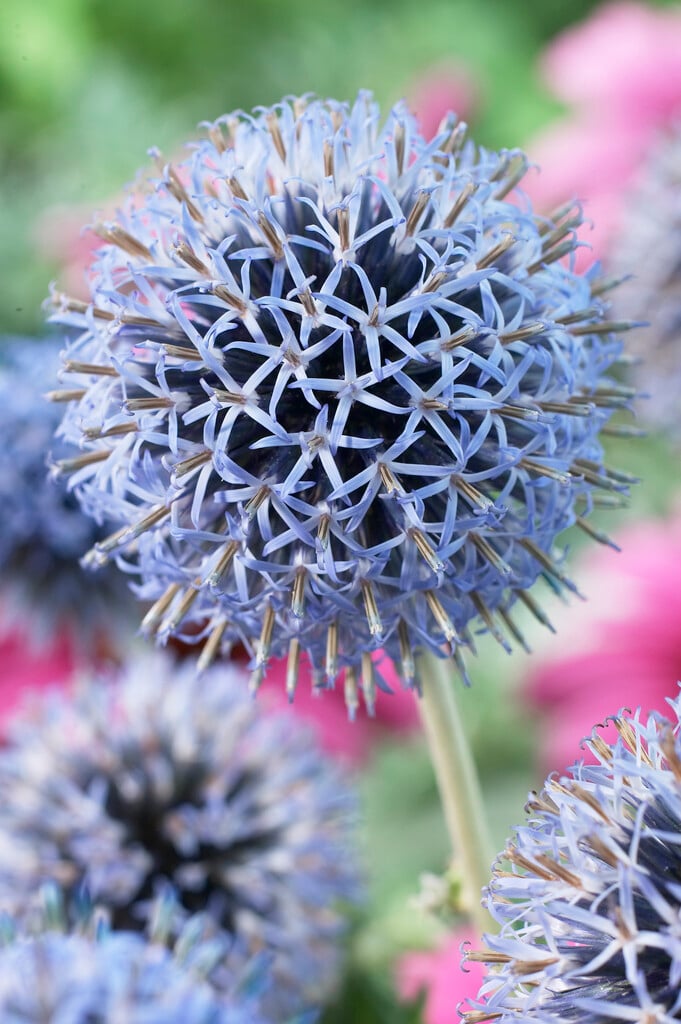
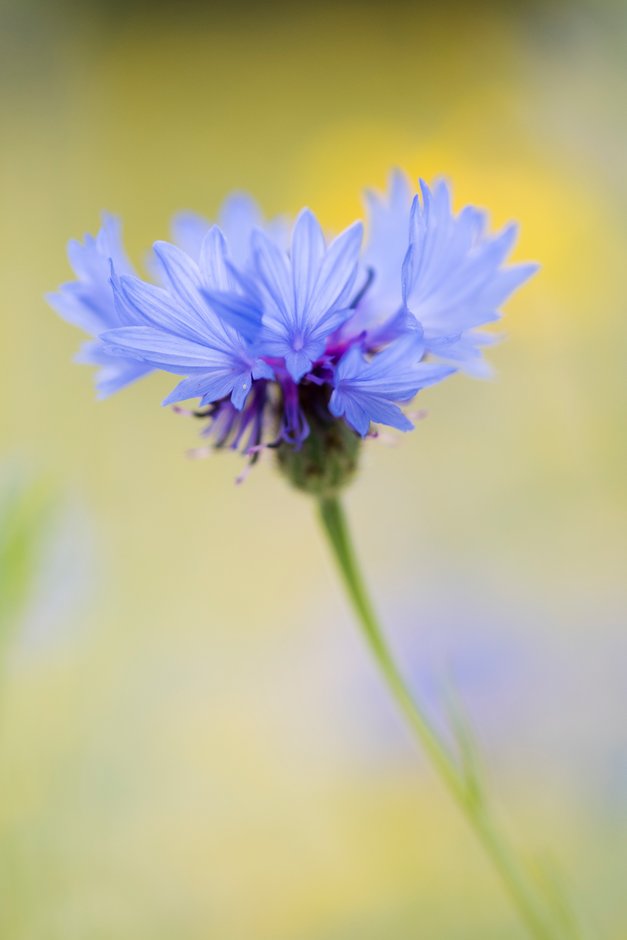
Easy to grow, beautiful blue flowering annual to grow either in an mix or in the border. The seedheads will be enjoyed by finches, especially goldfinches.

Who loves them: Bullfinches
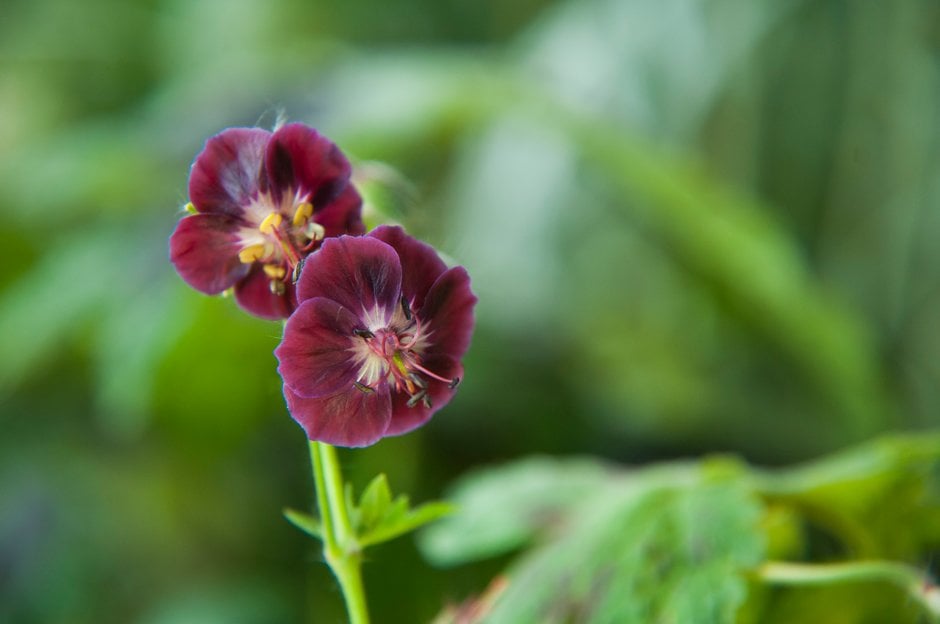
Brilliant perennials, the hardy geranium comes in all shades and suits a wide range of conditions, but the cherry on the top is that bullfinches, in particular, seem drawn to the seedheads.
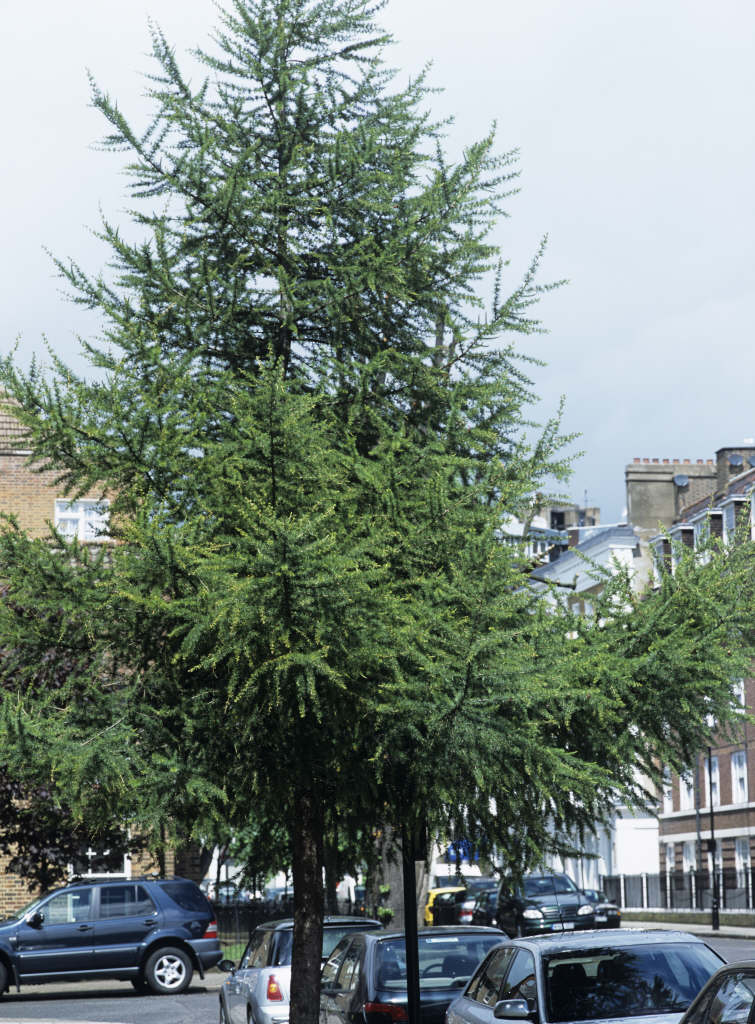
Don’t forget conifers, which are frequently overlooked for wildlife benefits. The seeds of trees such as larch and false cypress are picked out of cones by a whole range of birds, including nuthatches, siskins, bramblings, coal tits and others.


"There are so many flowers whose seedheads have ornamental value that it is well worth leaving them right into winter and just watching to see if they attract any special attention from your garden wildlife"
At the end of the day, beauty is in the eye of the beholder, so if you think a plant is looking interesting in its skeletal form, leave it be and enjoy its winter beauty in the knowledge that some other creatures might be enjoying it too.

Suggested reading
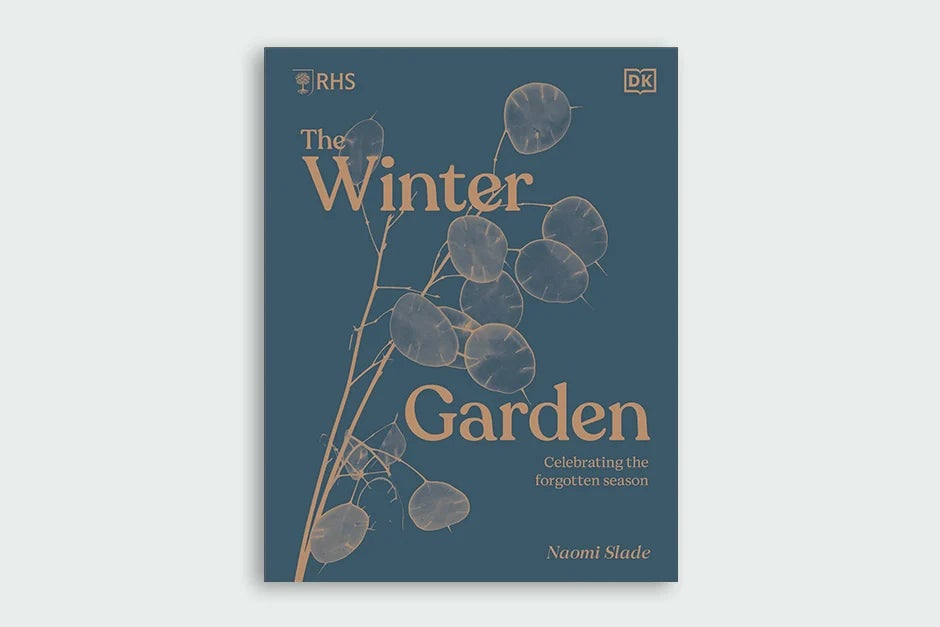
The Winter Garden: Celebrating the Forgotten Season
Unlock your garden’s winter potential and see the beauty and promise of the colder months with award-winning garden designer and author, Naomi Slade.
Buy the book
About the author - Natalie Ashbee
Natalie has worked in Horticulture for more than 20 years; in primary education, TV production and garden design. She lives and gardens in West Cornwall.