RHS Senior Horticultural Advisor Andy Vernon shares how to a try a novel healthy delicacy from your dahlias after they’ve finished flowering
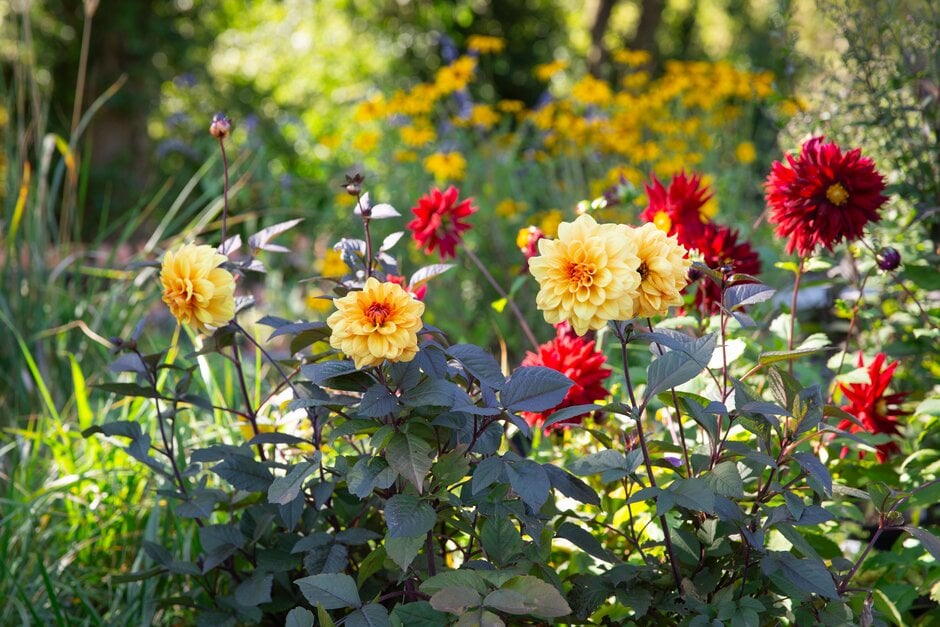

On an RHS-bursary-funded trip to Mexico, I was introduced to a very different side of dahlias. Most of us know dahlias for their spectacular late‑summer colour, but in their native Mexico they have a much older identity: a traditional food crop. Long before dahlias arrived in European gardens in 1789, indigenous peoples across Mexico ate the tubers for nourishment.
I went to an international dahlia conference and the celebrations for ‘Dia de las Dalias’ in August 2015. It was declared Mexico’s National Flower in 1963 and the ‘day of the dahlias’ was formally established in 2007. It’s organised by the Mexican Dahlia Society on or around 4 August, mostly around Mexico City.
I was lucky enough to sample lots of different foods with a dahlia theme: dishes such as soups and salads with dahlia petals, prickly pear with dahlia petals, chicken breast with dahlia tuber, dried dahlia petal tea with honey and my favourite, sweet apple and dahlia tuber strudel.
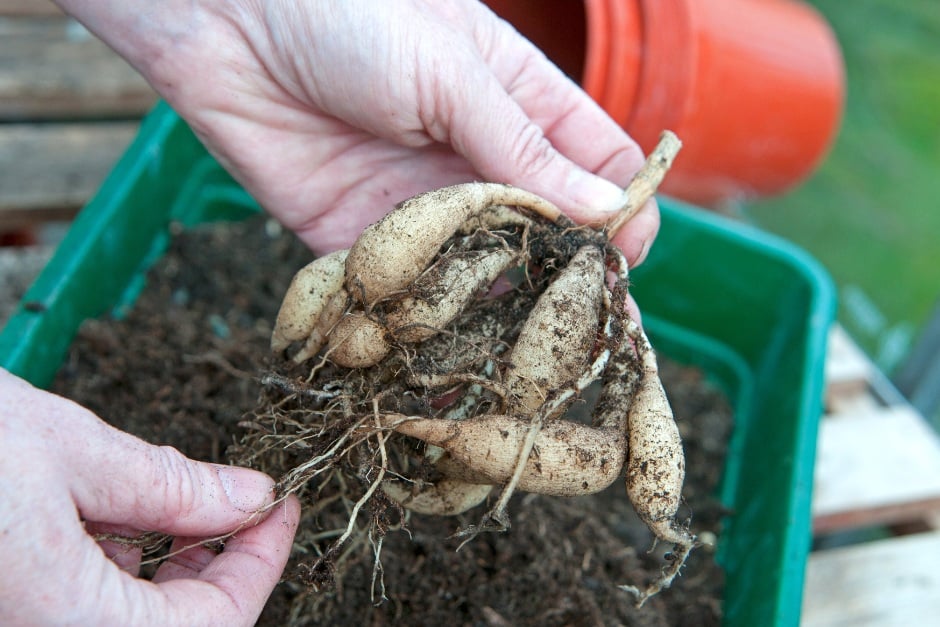
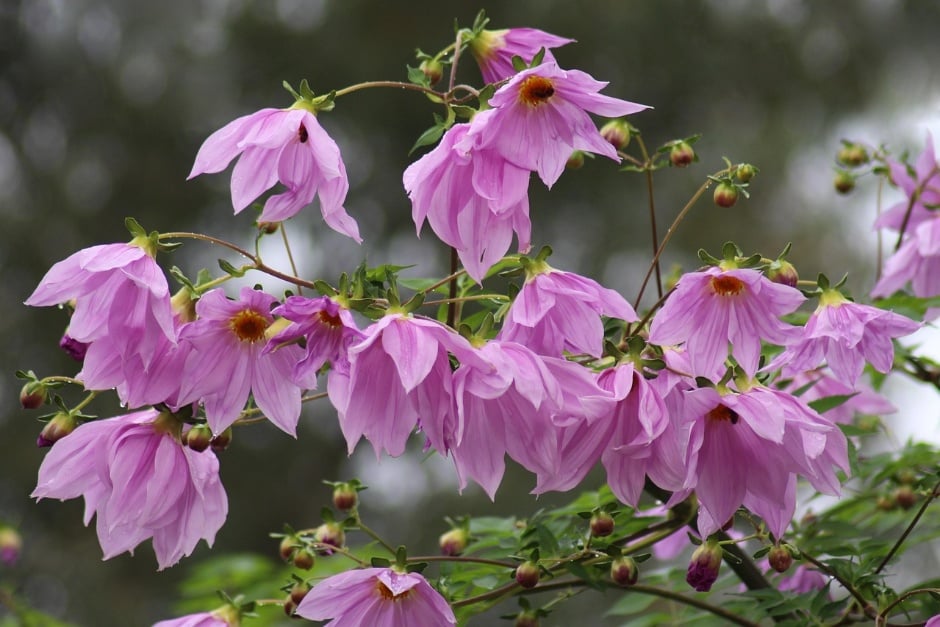
The tubers have a mild, slightly sweet, water‑chestnut‑like flavour and a crisp or fibrous texture – perhaps similar to Jerusalem artichokes. Traditionally, they were eaten fresh, boiled or roasted, and sometimes the hollow stems used to quench thirst (especially the stems of tree dahlias –
Dahlia imperialis, below – which hold a lot of water).
Today, dahlias are a minor regional food, mostly in parts of Oaxaca in southern Mexico, and used much like other root vegetables. Though not widely commercialised, renewed interest in ‘heritage indigenous crops’ is bringing them back into some local markets. So why not here too?
Dahlia tubers are extremely rich in inulin – again similar to Jerusalem artichoke. Inulin acts as a prebiotic, feeding our beneficial gut bacteria. Because inulin is slow to digest, it releases energy gradually, making it helpful for those managing blood‑sugar levels or seeking fibre‑rich, low‑calorie foods. It can also make us rather gassy!
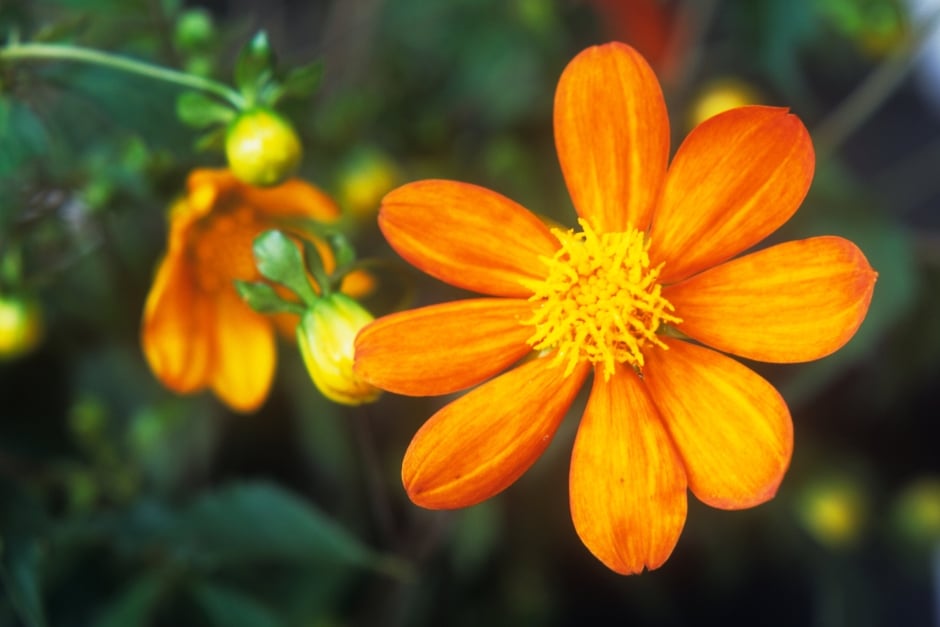
Not all dahlias are equal when it comes to flavour or yield.
Dahlia coccinea (above) is one of the main ones eaten traditionally. However, pompon dahlias have some of the highest inulin levels, especially those with orange or blood‑red flowers. Generally, the named ornamental cultivars may be less consistent in flavour, but breeding work is trying to find varieties that are both ornamental and good to eat.
To have a go at this new-to-the-UK edible, grow as you would ornamental dahlias – and don’t forget, species dahlias or mixtures of hybrids can be grown from seed to keep costs down. A spot in full sun, with well‑drained but fertile moisture‑retentive soil, is perfect. Keep them well watered but avoid high‑nitrogen feeds, which favour leaves over tuber development. Lift tubers as you would for storing decorative dahlias, when they have died back, and scrub them clean or peel as you would potatoes. Enjoy!
You may also be interested in
 Look for the RHS Recommended: Award of Garden Merit when buying vegetable seed or small plants. You can also download the RHS lists of recommended cultivars.
About the author – Andy Vernon
Andy is an RHS Senior Horticultural Advisor based at RHS Bridgewater, finding ways to make the most of his small garden in rainy east Cheshire.