RHS Senior Horticultural Advisor Andy Vernon explains how even with very little space, you can try this simple and rewarding process to turn leaves into free mulch

 For me, making leafmould is pure gardening wonder. The slow and simple, almost magical transformation of fallen autumn leaves into rich, crumbly organic matter is largely thanks to a quiet and natural fungal process; a gentle decay that can be harnessed by gardeners.
In the spaces where we grow, there’s usually a darker, shadier, out-of-the-way spot that is perfectly suited to garden leaves decaying. Four stakes, some chicken wire mesh and a few U-shaped tacks, and you have a leafmould cage.
But even if this small space isn’t available, you can use perforated bin bags in a shed or garage, as I do. After just over a year I open up the bags (or cage) and use the contents for early spring mulching. Re-use the same bags each year if you can.
 The decomposition of leaves into leafmould needs a cooler, damper place compared to composting. It’s slower and needs less heat, making it perfect for cooler climates and leaf piles left exposed to the elements.
Another part that’s easier than composting is that the ingredients are super simple. While compost needs a balance of green (nitrogen-rich) and brown (carbon-rich) materials, leafmould is made from just leaves and moisture – so if bagging them up, the leaves should be damp when you collect them. Finally, it’s a lazy process compared to compost, as it needs no turning.
However, like for composting, shredding the leaves is helpful and really speeds up the finishing time – mowing them up off a lawn is a double-win. Shredded leaves decompose more evenly and quickly, often producing a usable fine-textured leafmould within 6–12 months. I find whole leaves tend to make a much coarser product.
Some leaves, like sycamore, chestnut or evergreens, have much tougher, thicker, or waxy surfaces and are slower to decompose, and shredding helps to overcome this natural resistance. Shredded leaves also settle less densely in a pile, which means you get better air circulation so more oxygen for fungal activity. At the same time, good airflow reduces the chance of compaction, which can easily happen in a pile of wet whole leaves.
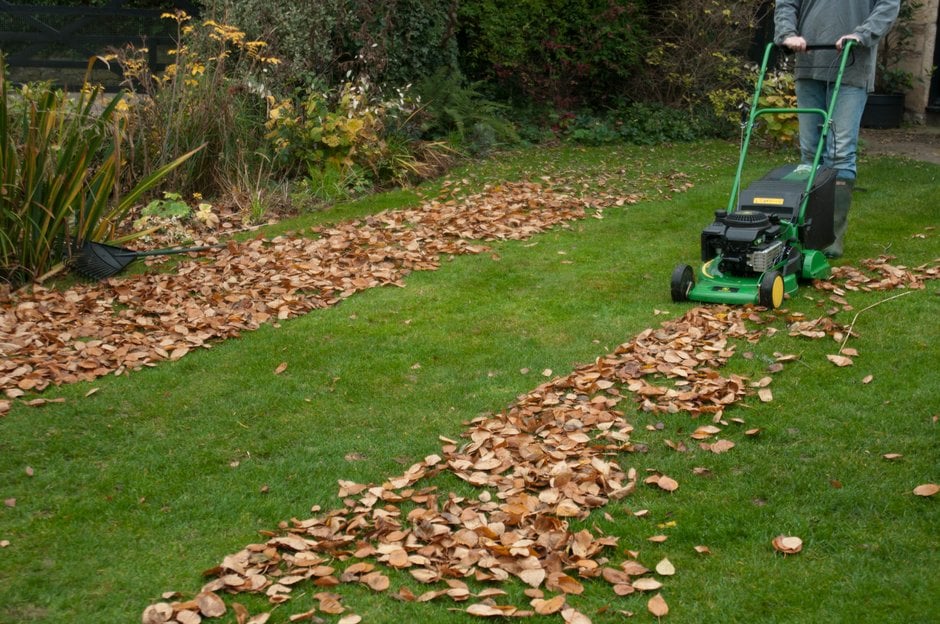
Although all leaves decompose, some make better leafmould than others – I find oak, birch, beech, acers, hazel and hornbeam work best. Tougher leaves like those from evergreens, or certain trees like walnut, plane, sycamore and sweet chestnut take longer but are still useful. With a bit of patience and ideally some extra shredding if you can, nearly any leaf type can be transformed. Instead of being a waste product, these leaves become a free, sustainable resource to improve my soil health.
Even conifer needles will eventually break down, but may take two to three years to decay. Conifer hedge clippings are better added to the compost heap than used for making leafmould. I put pine needles in a separate pile or bag as they produce acidic leafmould, which is ideal for my blueberries.
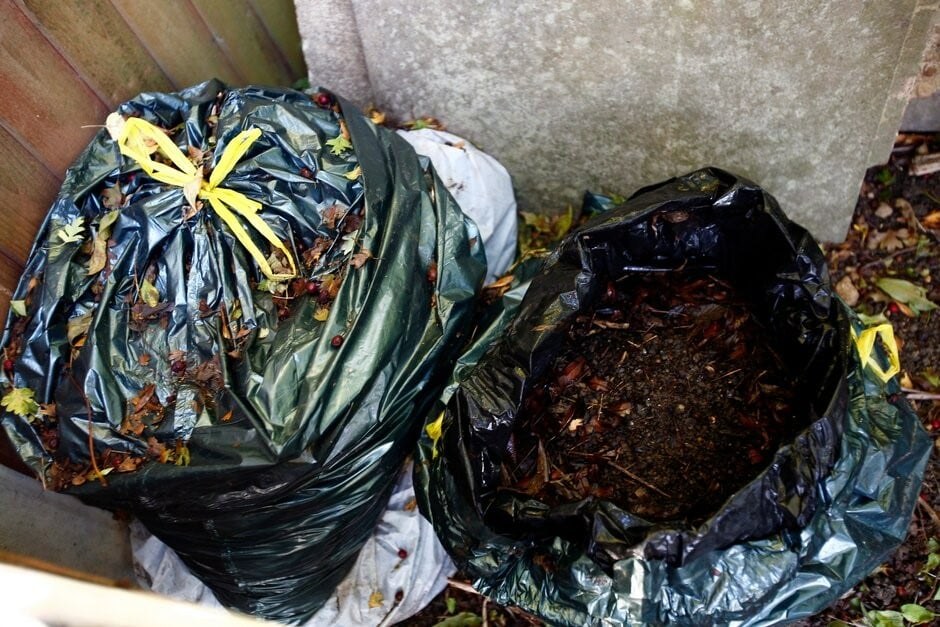 The crumbly, dark texture is versatile. It improves soil aeration and water-holding capacity, making it ideal for heavy clay or sandy soils. I add it to my beds and borders to retain moisture and promote root development. It’s rich in humus so improves soil structure, creates habitats for beneficial microorganisms, and improves my soil’s resilience.
After just a year, partially decomposed leafmould can be used as mulch, but after two or more years, it becomes a finer, soil-like substance that can be used as a soil conditioner or for potting mixes. It’s not high in nutrients, making it suitable for seedlings, so mixed into potting composts, leafmould improves moisture retention without risking nutrient burn.
All of this for free!
You may also be interested in
Pick of the crop
 Look for the RHS Recommended: Award of Garden Merit when buying vegetable seed or small plants. You can also download the RHS lists of recommended cultivars.
About the author – Andy Vernon
Andy is an RHS Senior Horticultural Advisor based at RHS Bridgewater, finding ways to make the most of his small garden in rainy east Cheshire.