We all want early tomatoes, but we’ve all been there with eagerly sowing them too soon and ending up with huge plants stuck indoors until the nights warm up. RHS advisor Nikki Barker explains how waiting can get you earlier crops
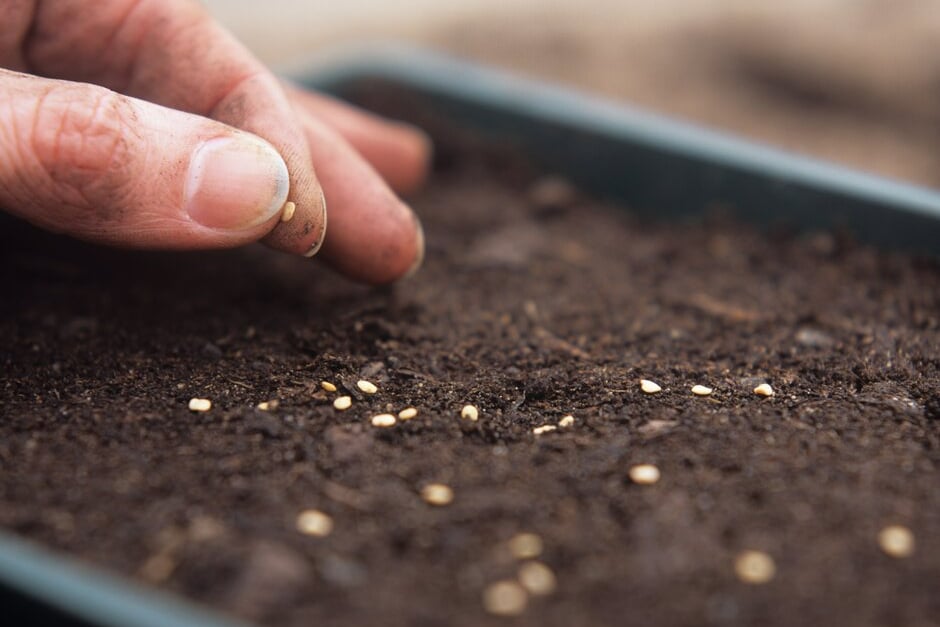
 I get overexcited about seed sowing in early spring. Starting off tomatoes, peppers and squashes makes me feel like winter is behind me. But is it? Last year, my early sowings in a heated greenhouse didn’t give me earlier crops. The cold, dull weather resulted in me using more electricity and having a log jam of plants that couldn’t go out – even during the day.
In fact, the later sowings, with better weather and light levels, caught up and overtook the early ones. Our climate is changing, and becoming less predictable, and I think we need to change our habits from sowing by the calendar to sowing by the weather. This might mean three or four weeks later, but our patience will pay off.
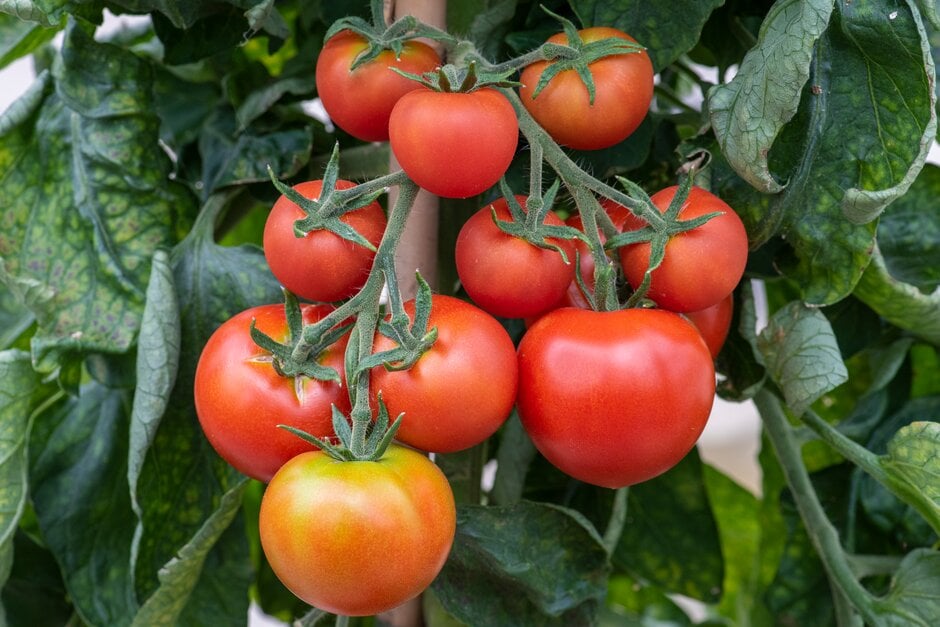
Cropping times may change less than you think – my second tomato sowing last year overtook my first, and was sown four weeks later. The first ripe tomato was two weeks later than my record (12th June 2022!), but still before the first crop of tomatoes I sowed.
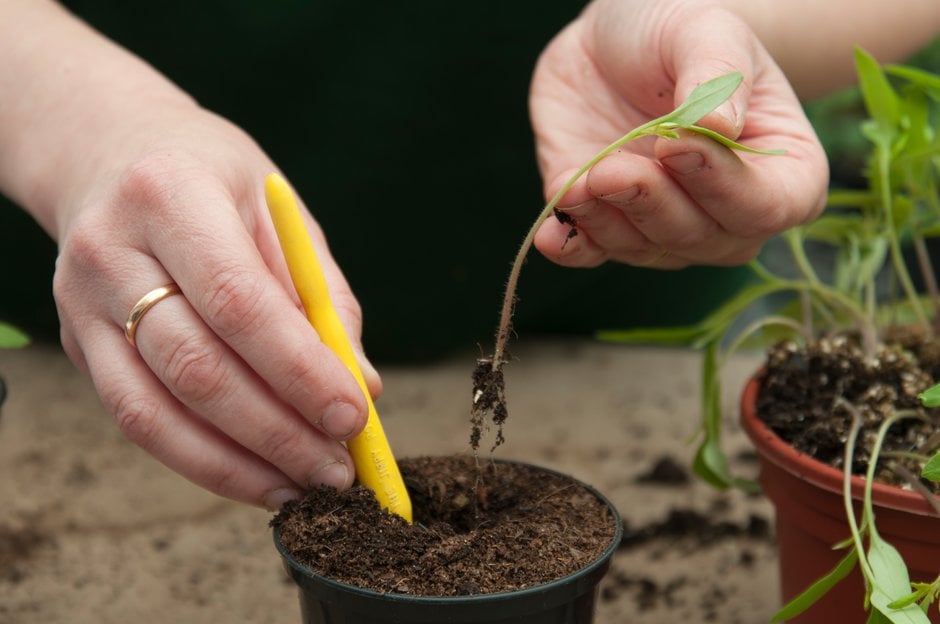
This was also true of carrots, beetroot and spinach sown in raised beds. My March sowings were very disappointing, but the successional sowings from late April to June were fantastic, because the weather was right.
So, this year I am going to look at the longer-range forecasts before I start sowing, because one sunny day at the beginning of March doesn’t mean a balmy spring. Certainly, I will treat premature instructions to ‘get seeds of tender summer crops off to an early start’ with more thought.
I also want to grow more sustainably, so using less energy by starting seeds off later, and therefore needing less heating in my greenhouse, is an obvious way forward. I have also been growing peat-free for many years now, both in my commercial work before I joined the RHS and at home, so here are some top tips on how to successfully germinate seeds in peat-free compost.
- Buy a peat-free seed and cutting compost, not a multi-purpose. These are more finely milled, which is ideal for seed sowing.
- Make sure the compost is moist, not soggy, before you sow the seeds. Peat-free composts hold water extremely well, but can look dry on top, which often leads to overwatering. Wet compost stays cold. I use a mist sprayer rather than a watering can to keep the surface moist until the seeds germinate.
- Start feeding with a dilute liquid feed every few days as soon as they have their first true seed leaves, as peat-free composts are microbially active, unlike peat, which means they absorb some of the available nitrogen from the compost.
- Pot on into a peat-free potting compost as soon as the seeds are large enough to handle, and keep feeding regularly. Watering little and often is best, but before you water, check the moisture levels lower down in the container.
You can find more tips in our
10 top tips for peat-free success.
You may also be interested in
Pick of the crop
 Look for the RHS Recommended: Award of Garden Merit when buying vegetable seed or small plants. You can also download the RHS lists of recommended cultivars.
About the author – Nikki Barker
Nikki is the RHS advisor on growing peat-free, based at RHS Wisley. She grows a huge range of home produce herself, and is the author of A Gardener’s Guide to Propagation Techniques.