How gut health connects to the ground beneath our feet
Soil-first nutritionist Sam Hamrebtan on returning to her roots – and her mission to make soil sexy
After more than a decade in London’s fast-paced advertising world, Sam Hamrebtan made an unexpected pivot. She retrained as a nutritional therapist and, in 2020, founded The Life Larder. Her journey back to food – and the soil it grows in – was inspired by her Yorkshire farming roots and a longing to reconnect with nature.
“I’m originally from Yorkshire,” Sam explains. “I grew up around soil, but living in London, I felt this huge disconnect. I knew I wanted to do something with food, so I decided to retrain.”
While studying nutrition, Sam immersed herself in hands-on food experiences – helping out in friends’ kitchens and at wellness retreats. “I wanted to understand how food nourishes people, not just in theory or textbooks, but in real life.”
After completing a City & Guilds Level 1 qualification in Organic Gardening, she began to see food, health and soil as deeply interconnected.
“It clicked everything into place,” she says. “That’s why I now have this soil-first mentality.”
Why soil matters
Sam’s curiosity led her to regenerative agriculture, which emphasises soil restoration, biodiversity and minimal chemical input
“People talk about organic labels, but few ask why that matters – or how soil quality affects the
Her curiosity led her to regenerative agriculture, which emphasises soil restoration,
“Plants that grow without chemical crutches work harder to survive,” she explains. “That stress creates protective compounds – and we benefit from those when we eat them.”
“These companies are realising that if we don’t protect our soil, we’ll eventually lose the basic ingredients we rely on, such as tomatoes, grains and herbs.”
The gut-soil connection
Fermented foods like kimchi, sauerkraut and kefir offer greater microbial variety
“Healthy soil is alive with microbes – millions of them,” Sam says. “And our gut microbiome thrives on that kind of microbial diversity.”
Exposure to a broad range of microbes through whole foods and natural environments supports gut health far more effectively, she argues, than many commercial probiotics – most of which contain only a handful of bacterial strains.
Fermented foods like kimchi, sauerkraut and kefir offer greater microbial variety, especially when made with organic or homegrown ingredients.
Books like What Your Food Ate by Anne Biklé and David R. Montgomery have further reinforced Sam’s belief that soil health is essential to human health.
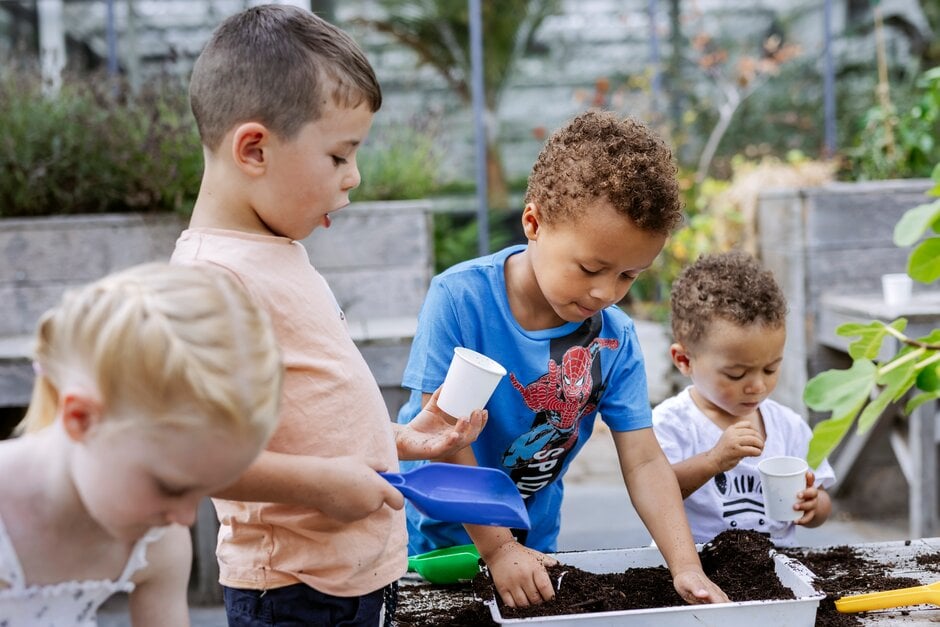
Let kids get dirty
Exposure to soil can improve immune markers and reduce rates of asthma and allergies
Whether it’s playing in the garden, having pets, or going foraging, she encourages exposure to nature’s microbial richness.
Grow what you can
Growing your own food, even in small ways, can dramatically increase nutrient density
She recounts a visit to RHS Garden Wisley’s World Food Garden, where she saw a “pasta pot” planted with all the herbs you’d typically use in an Italian dish. “It was a beautiful idea – fun, accessible and a great way to get people engaged.”
Growing your own food, even in small ways, can dramatically increase nutrient density. “When you pick something from your garden and eat it the same day, you’re getting peak nutrition. Compare that to supermarket produce that’s been harvested, stored and transported for days – its nutrient levels are already declining.”