RHS calls for youth-led wellbeing gardens in new generation of youth centres
A new RHS guide can help local authorities and youth organisations create indoor and outdoor gardens designed and cared for by young people
The Royal Horticultural Society is calling for more youth-led gardens to be built with young people’s needs in mind and for existing facilities to be improved.
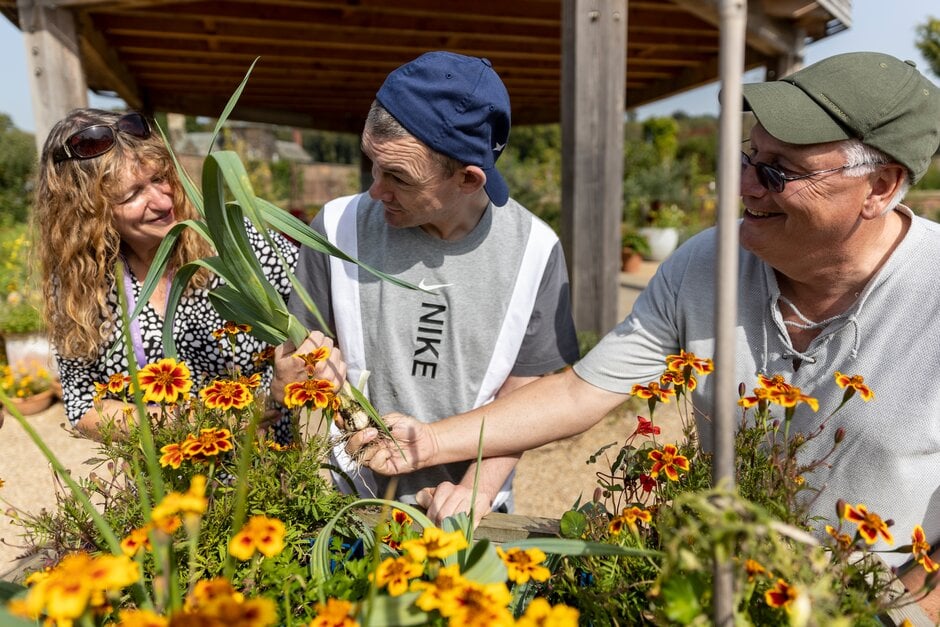
To support this, a new guide, the RHS Wellbeing Garden Blueprint: Youth-led Gardens, is being developed to provide local authorities and youth organisations with a practical model for creating indoor and outdoor wellbeing gardens with young people, rather than for them. The resource can be used for anything from a few potted plants in a shared room to a large outdoor garden.
Creating youth-led wellbeing gardens
The guidance aims to address the lack of outdoor space among many youth organisations and the limited access to gardens and green space at home experienced by many of the young people they support. An indoor garden can be inexpensive, established quickly and used throughout the year.
Drawing on 12 years of RHS research and practice, as well as a global review of the evidence with the University of Surrey and the University of Sheffield and learning from RHS projects with young people, this new Blueprint is part of the wider RHS Wellbeing Garden Blueprint launched in March 2026.
The new RHS Wellbeing Garden Blueprint: Youth-led Gardens sets out three ambitions for every garden: to create a sense of belonging, support emotional wellbeing and build ecological resilience. At its heart is a youth-led garden design model that provides young people with the space, voice, audience and influence needed for meaningful involvement.
The model supports participation at every level, from simply enjoying the garden to leading projects and mentoring others, enabling young people to shape its purpose, design, creation and long-term care. As young people’s involvement grows, they can access wider RHS support, from choosing plants through the What to plant in a wellbeing garden guide and taking part in our New Shoots initiative, to developing horticultural knowledge through the RHS Level 1 Qualification in Practical Horticulture.
The accompanying Evidence and Policy Companion brings together the research, economic case and links to priorities including public health, community safety, skills, youth participation and climate action.
Both documents are a starting point for collaboration, but young people are at the heart of developing the project. A paid panel of young people aged 11 to 25 will review and reshape the Blueprint in autumn 2026, ahead of a fully co-created version in 2027.
Unsure of where to start? Get in touch and tell us about your youth centre plans.