
RHS Space to Grow
The RHS Space to Grow Report 2025 is the first national research mapping the scale, impact and needs of community gardening in the UK, with insights into the challenges and opportunities from over 2,000 community gardening groups

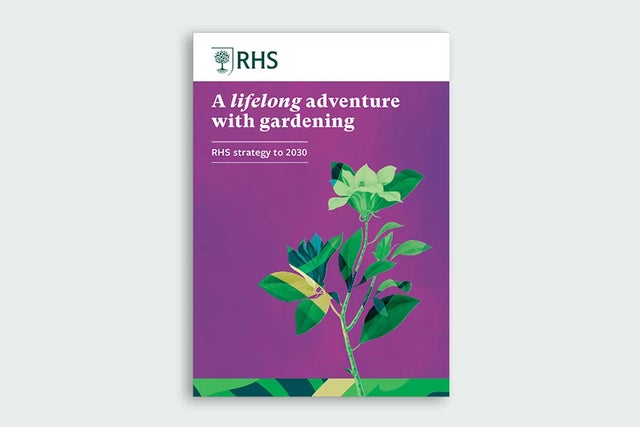
The RHS State of Gardening Report 2025 is the first in-depth look at gardening’s impact on UK health, communities, the economy and the environment, with insights, data and trends, written by some of the UK’s leading garden scientists and horticulturists
Gardening is one of the most widespread and meaningful ways people connect with nature. It touches the lives of over 41 million people, yet until now its full social, economic and ecological value has been under-recognised. Drawing on new RHS-commissioned research and a wealth of existing data, the RHS State of Gardening Report 2025 (7.4MB pdf) reveals the extraordinary scale, diversity and impact of gardening, and the vital role it plays in shaping a greener, healthier and more resilient future.
"The RHS State of Gardening Report reveals the extraordinary scale, diversity and impact of gardening."

Research has shown that access to a personal garden is associated with annual health benefits valued between £171 and £575 per person (Mourato et al., 2010). When applied to the UK’s 25.7 million gardens, this translates to national wellbeing benefits of between £4.3 billion and £14.6 billion.
Analysts, researchers, horticultural experts and collaborators have reviewed and scrutinised evidence and data to create a comprehensive RHS State of Gardening Report for 2025. Precise insights have been gathered by AI, machine learning and ultra high resolution satellite imagery with Gentian Ltd.
The report is the definitive source of insight, statistics and stories about gardening, gardeners and gardens. It presents robust data alongside compelling narratives to map the evolving landscape of gardening in Great Britain and the wider UK. As the first report of its kind, it establishes a national baseline and marks the start of a long-term commitment to tracking change, with updates planned every three years.
It aims to provide a clear overview of the scale, diversity and significance of gardening. By capturing long-term trends and benchmarking data, we explore the natural, social and economic value of gardens, along with the health and wellbeing benefits they bring to individuals and communities.
RHS State of Gardening Report 2025
Covering 4.6% of UK land mass, gardens are a massive but overlooked ecological asset, that buffers the effects of climate change and brings joy to millions. We must act by embedding gardening into national health, education, housing and climate policy. We must invest in research, infrastructure and equitable access. And we must recognise gardens as critical national assets – ecologically, socially and economically. The RHS is committed to leading this change. Our vision is a world where gardening is embraced as a way of life – a source of joy and fulfilment, building healthier lives, stronger communities and thriving environments.


UK adults: Well over half of all UK adults (34 million) garden regularly, but less than a quarter think of themselves as gardeners. This highlights the need to inspire more people to grow in confidence.
UK children: Around 7 million or 60 percent of UK children gardened at least once a month (YouGov, 2025) and 58 percent say school is one of the places where they garden (YouGov, 2025).
This report has mapped 25.8 million gardens across Great Britain’s garden space, hosting 50.5 million trees. Gardens are not just private spaces, but shared national assets that nurture , strengthen climate resilience and support health, wellbeing and the economy. At a time of environmental and social pressures, gardening offers one of the most widespread and meaningful ways that people connect with nature – a lifelong relationship that can start in childhood and continue through every stage of life.

"Gardening offers one of the most widespread and meaningful ways that people connect with nature."

Yet challenges remain. Biodiversity is under pressure, biosecurity awareness is low, and horticultural skills are in decline. Millions of households lack access to a garden of their own, and opportunities are unevenly distributed, with children from lower-income households disproportionally excluded. Without action, these gaps risk holding back the full contribution gardens could make to a greener, healthier and more inclusive society.
Priorities for a greener future:
1. Recognition: Gardens must be embedded across health, housing, education, climate and biodiversity strategies, and environmental horticulture recognised as a vital green skill
2. Investment: Greater support for training, infrastructure, and research is needed to secure the sector’s future and unlock environmental horticulture’s potential to deliver national benefit
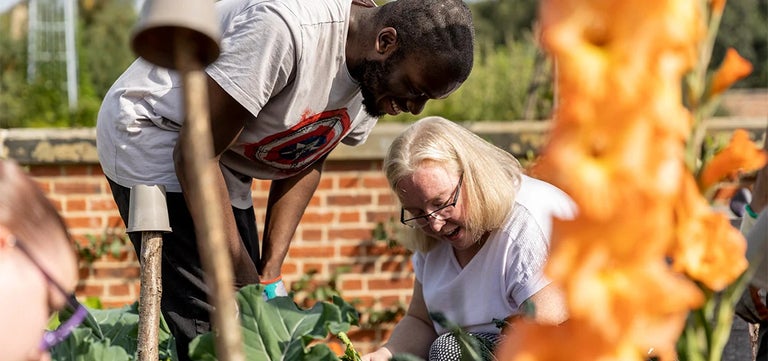
3. Access: Gardening should be possible for everyone, wherever they live – from homes and schools to hospitals and community spaces
Gardens are a national asset, but for too long they have been overlooked by politicians and policymakers because their many benefits do not sit neatly within the remit of any one government department. With the right leadership and investment, the nation’s gardens – both public and private – can play a vital role in driving economic growth, improving public health and tackling climate change.
"Gardens are a national asset, but for too long they have been overlooked by politicians and policymakers."

This first RHS State of Gardening Report 2025 has set a baseline but also highlighted gaps. Further research, better data and ongoing monitoring are essential, alongside actions for the RHS, gardeners and environmental horticulture sector to embed gardens and gardening more firmly in policy and practice.
Six key areas for action and research:
1. Cultivated plant conservation:
2. Wildlife and microorganisms:
3. Biosecurity and plant health:
4. Water use and resilience:
5. Social and natural capital:
6. Education, skills and employment
Discover the data, stories and evidence shaping the future of gardening.