Why gardening makes us feel better – and how to make the most of it
Gardens can be great for the environment and for wildlife – and they’re good for people too, according to an increasing body of research

Tatton Park gardener Joe Craik reveals how gardening helped him recover from a decade-long addiction
“In 2017, I went through my third supported detox for alcohol dependency. My most recent relapse had culminated in an attempt to take my own life, which was prevented only by the intervention of a passer-by. I knew something needed to change, and fortunately, something did.”
When Joe Craik dug up the soil and planted some pansies for the first time, he didn’t know those simple actions would soon change his life. Originally from Norfolk but based in Manchester since he was 18, he had struggled with a drinking problem for a decade, until gardening came his way.

“I was fortunate enough to grow up in homes with gardens, but I’d never taken much interest in them beyond the provision they offered of somewhere different to sit with a drink,” said Joe.
Alcohol took over his life throughout his twenties. It was around the time he turned 30 that his journey to sobriety began, with a few severe relapses that he was left to manage on his own.
“You’d be surprised by how time-consuming alcoholism is, so when you stop drinking you’ve got so much spare time that you have no idea what to do with it.”
One day in February 2017, Joe started seeing his small terraced garden – with its bald strip of lawn – with new eyes. “My partner at the time kept saying how she’d always wanted to put some borders in, so I borrowed a spade and fork from my mum’s shed, dug up a few feet of turf, turned the soil over and bought some . Before I knew it, it was 10pm and I hadn’t thought about alcohol all day.”
"One day, I went into the garden. Before I knew it, it was 10pm and I hadn’t thought about alcohol all day."
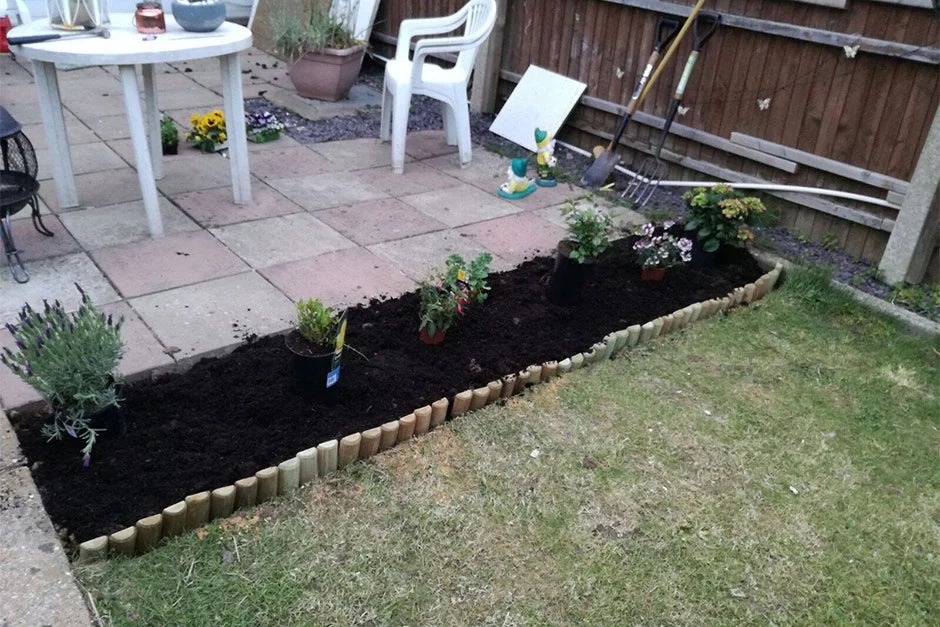
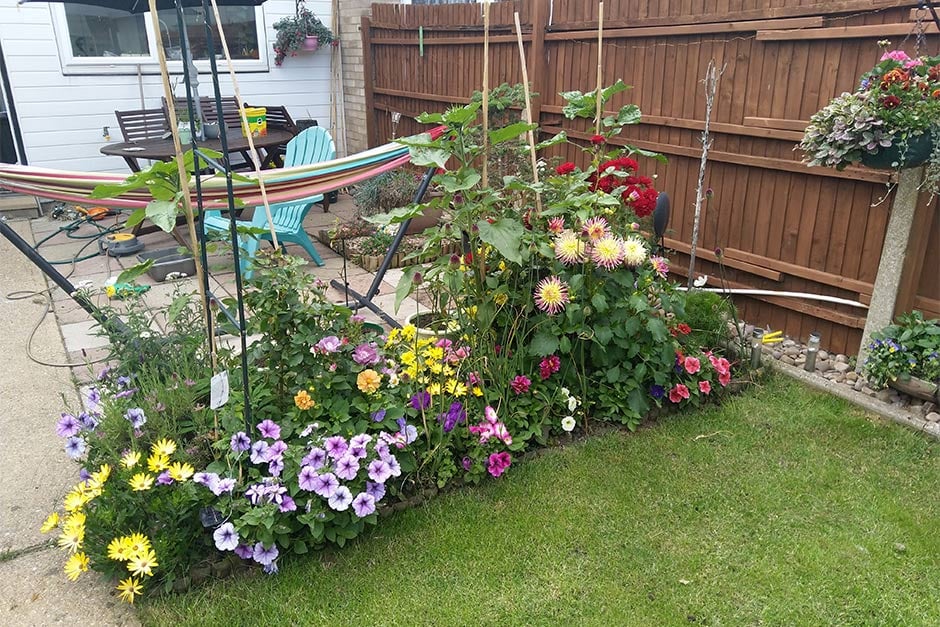
Since that day, Joe has been sober and his life has taken a whole new direction. He first found a job as a support worker for adults with mental health conditions but soon realised that wasn’t the right path. Horticulture had become his biggest passion and he was determined to make it his job too.
Thanks to a friend of a friend, he started working part-time for a garden maintenance business, which allowed him to attend college and complete his RHS Level 2 Diploma. Twelve months later, he started his own gardening business and in 2022 he became a full-time gardener at Tatton Park , where he now oversees the maintenance of an extensive Italian terrace overlooking 1,000 acres of landscaped parkland inhabited by herds of red and fallow deer.

“It’s the first time in my life I’m able to do something I enjoy for a living, and it feels incredible,” said Joe. “My lasting sobriety is the result of many different factors, including a supportive network of trusted friends and family, but I can’t understate how big a role gardens and gardening have played. Horticulture has helped fill a gaping void in my life. It’s been occupation and therapy, and I would urge anyone struggling with addiction or poor mental health to get their fingers in the dirt and see what they can nurture.”
"I would urge anyone struggling with addiction or poor mental health to get their fingers in the dirt and see what they can nurture."
Similarly to his recovery journey, Joe’s approach to gardening wasn’t easy at first. Most of the bedding plants he had used to fill borders at home were eaten by slugs, while the remaining ones perished in a late frost. However, giving up was never an option.

“I figured that if I could overcome alcohol dependency, I was up for the challenge of overcoming this setback too, whereas previously I probably would have given up straight away.” Day by day, and with a lot of research, Joe started enjoying the trial and error, the mix of instant gratifications and delayed payoff, and the happy accidents along the way.
He also discovered that repetitive tasks such as mowing a lawn, cutting hedges or weeding don’t demand much concentration, just enough to keep your mind occupied. These jobs help you take your thoughts away from drinking, without requiring excessive mental effort.
“The process of sobriety can be really lonely, but gardening gives you a connection to something bigger. Being surrounded by nature kind of reduces loneliness in a way,” he said. “It’s hard to take the first step, and things won’t always go the way you wanted them to, but it’s a great hobby for improving your mental health, whether you’re struggling with alcohol addiction or another condition.”
"The process of sobriety can be really lonely, but gardening gives you a connection to something bigger."