For Anya Lautenbach, gardening isn’t just a pastime – it’s a place to belong and to focus
RHS Editorial Team
5-minute read
When Anya was diagnosed with ADHD in her 40s, it was a moment of clarity – one that explained a lifetime of feeling different.
“I always knew I wasn’t quite like everyone else,” she says. “At school I was disruptive, I didn’t follow rules. I always felt like the odd one out.”
Like many people with ADHD and traits of autism, Anya spent years masking her differences and blaming herself for things she couldn’t control. But it wasn’t until she had children – one of whom also has ADHD and dyslexia – that she saw her own childhood mirrored back at her.
“I realised the things my son was struggling with were the same things I’d struggled with. That’s when I started to look deeper.”
What she discovered was not just a diagnosis – but a path to peace. And it started in the garden.
Belonging among the plants
Gardening offered Anya something she had never found in society: acceptance
“I’ve lived in Poland, Germany, Scotland and England,” Anya explains. “Everywhere I went, I felt out of place. But when I started creating a garden, something shifted. Suddenly I felt like I belonged.”
"Everywhere I went, I felt out of place. But when I started creating a garden, something shifted. Suddenly I felt like I belonged."
Anya Lautenbach, The Garden Fairy
Gardening offered something she had never found in society: acceptance. “Plants don’t care how you think or what you struggle with. They just grow. And being part of that process gave me a sense of purpose.”
Anya believes this feeling is especially powerful for people who are neurodivergent. “We often feel like we don’t fit in. But the garden doesn’t judge. You can create your own world there.”
The daily dopamine boost of growing plants
For someone with ADHD, stimulation is a double-edged sword. While the brain craves excitement and novelty, that same intensity can lead to burnout, anxiety and overwhelm.
“The garden gives me that constant dopamine hit I need – but in a positive way,” Anya says. “Whether it’s sowing seeds, watching roots form or harvesting a flower, every little success brings a burst of joy.”
"Whether it’s sowing seeds, watching roots form or harvesting a flower, every little success brings a burst of joy."
Anya Lautenbach, The Garden Fairy
She compares the feeling to finding treasure. “It’s like discovering a diamond in the street. That thrill, that satisfaction – gardening gives it to me every day.”
A place to slow down
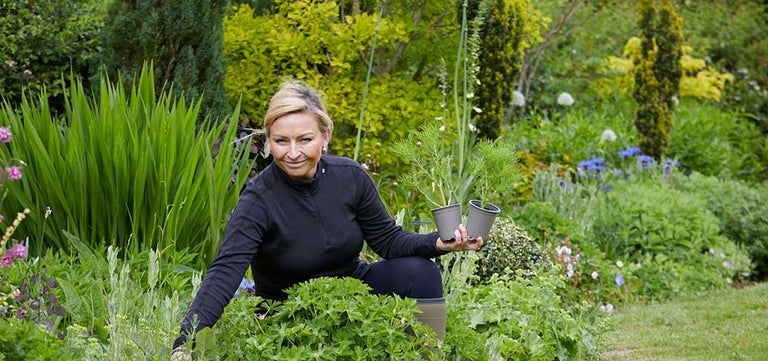
Anya says when she’s sowing seeds or propagating cuttings, she feels like she’s been to a spa
Anya speaks with bright, unstoppable energy. “My brain never stops,” she says. “I’m always thinking about what I haven’t done, what’s next, what went wrong yesterday.”
But in the garden, that chaos quiets. “It’s the only place where my mind goes still. When I’m sowing seeds or propagating , it’s like I’ve been to a spa. Honestly, I come back refreshed.”
"It’s the only place where my mind goes still. When I’m sowing seeds or propagating cuttings, it’s like I’ve been to a spa."
Anya Lautenbach, The Garden Fairy
Gardening has helped her manage the mental overload that so often accompanies ADHD. “There’s progress, there’s structure, but also peace. I think everyone deserves to experience that.”
Growing confidence through curiosity
As someone who’s not formally trained in horticulture, Anya believes her neurodivergence has helped her become a better gardener.
“I break the rules,” she laughs. “I experiment constantly. If it doesn’t work, I try something else. I mean – it’s not heart surgery! You can learn so much by just being brave in the garden.”
She also experiences ‘hyperfocus’ – a common trait among people with ADHD – where intense interest drives deep learning. “If I want to understand a plant, I’ll read everything I can. I’ll trial it in different conditions. I’ll take it apart and put it back together again in my mind.”
That passion led her to write books, run gardening clubs for children, and speak openly about the intersection of gardening and mental health.
Gardening with neurodivergent children
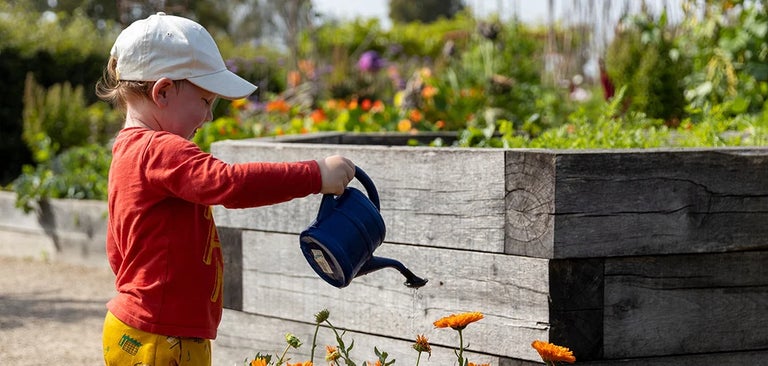
Anya suggests giving neurodivergent children a pot of mint to get them into gardening
Through her children’s gardening clubs, Anya has seen first hand how powerful growing things can be – especially for neurodivergent kids.
“I’ve never seen a child more excited than when digging up potatoes in a grow bag. It’s like treasure hunting. And you don’t need fancy tools – just soil and curiosity.”
She encourages parents to start small. “People with ADHD can get overwhelmed easily. Don’t give them a whole border to plan. Give them a pot of mint. It grows fast, smells amazing and feels like a win.”
"People with ADHD can get overwhelmed easily. Don’t give them a whole border to plan. Give them a pot of mint."
Anya Lautenbach, The Garden Fairy
She also recommends incorporating sensory experiences – particularly scent. “People who are neurodivergent often experience scent intensely. Herbs like rosemary, mint, lavender – they can create an immediate connection and joy.”
Cultivating a lifelong love of nature
Anya believes that early experiences with nature can act as a long-term anchor
Though her children are now teenagers and have stepped back from gardening, Anya believes the early seeds of connection were sown well.
“My son was four days old when we placed a seed in the greenhouse together. He’s grown up surrounded by beauty, wildlife and hands in the soil. And even now, I hear him say things like, “Look at that view,” or “That flower’s amazing.” That awareness – it stays with you.”
She believes these early experiences with nature can act as a long-term anchor. “Even if they walk away for a while, they’ll come back to it. Gardening becomes part of who you are.”
Home is where your plants grow
Perhaps the most powerful thing gardening has given Anya is a sense of home.
“My mum once said, ‘Your home is where your plants grow.’ And it’s true. I may have moved countries, but when I’m in my garden, I belong.”
"My mum once said, ‘Your home is where your plants grow.’ And it’s true. I may have moved countries, but when I’m in my garden, I belong."
Anya Lautenbach, The Garden Fairy
It’s a message she hopes will resonate with others who feel like outsiders. “If you feel like you don’t fit in, go outside. Grow something. Build your own space. You can create that feeling of belonging with your own two hands.”
Anya’s tips for neurodivergent gardeners
Start small: “Don’t redesign the whole garden on day one. Grow mint in a pot. Sow a few seeds in a tray. Let that first little success lead you to the next.”
Follow your senses: “I’m very sensitive to scent – it can either frustrate me or lift me to heaven. Herbs and scented flowers can give an instant dopamine hit and make you want to come back for more.”
One task at a time: “My ADHD brain is chaotic. If I give myself just one job – like sowing sweet peas or watering the greenhouse – I’m far more likely to finish it and feel good.”
Break the rules: “Neurodivergent minds are naturally curious and experimental. Don’t be afraid to try something just because it’s not in a book. That’s how I’ve made some of my best discoveries.”
Embrace the mess: “When I create a wreath, the room behind me looks like a bomb’s gone off – and that’s okay! Beauty and chaos can coexist. Gardening doesn’t have to be tidy to be meaningful.”
Grow your own sense of belonging: “If you don’t feel like you fit in, create a space where you do. Your garden – no matter how small – can become your world. It’s where I found my calm.”
About the author - Charlotte Olver
Charlotte Olver is a garden writer who explores how gardening supports wellbeing. Blending science with storytelling, her work highlights nature’s role in healing and celebrates the garden as a place of restoration, resilience and belonging.