How gardening helped me thrive with ADHD
For Anya Lautenbach, gardening isn’t just a pastime – it’s a place to belong and to focus

An award-winning RHS Chelsea garden, designed to support and celebrate neurodiversity, has officially opened at the University of Liverpool
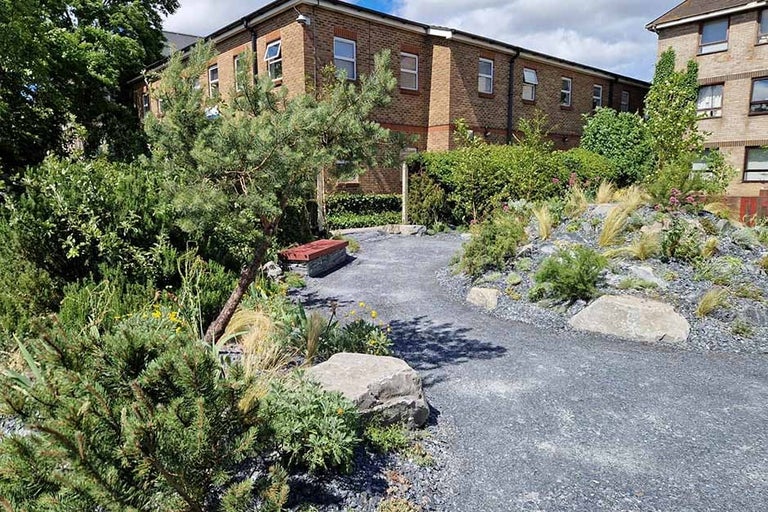
Originally exhibited at the 2025 RHS Chelsea Flower Show – where it earned a prestigious Silver-gilt medal – The ADHD Foundation Garden , designed by Katy Terry of Good Grounding , is now a permanent fixture located on the University of Liverpool ’s south campus, close to the Yoko Ono Lennon Centre and Brett Building.
The garden offers a calming, sensory-rich space for students, staff and visitors to pause, reflect and connect with nature. With the theme “Think differently about thinking differently,” the garden invites visitors to explore new perspectives on neurodiversity. It was inspired by Katy’s own ADHD (Attention deficit hyperactivity disorder) diagnosis and is designed to align the natural world with the lived experience of neurodivergent individuals.

University of Liverpool Vice-Chancellor Professor Tim Jones, who officially opened the garden at a special ceremony, said: “We are delighted to welcome the ADHD Foundation Garden to our campus. This is more than just a beautiful green space; it’s a symbol of inclusion. It offers a quiet place for reflection and escape, and it celebrates both the incredible diversity of plant life and the unique strengths of neurodivergent minds.”

The garden’s thoughtful features include a curved bench and a winding pathway, encouraging interaction with the space and plants. The planting scheme uses a diverse palette of plants carefully curated as a parallel to the human race as well as creating a subliminal, calming effect on the senses – helping to settle the overactive mind.

A striking visual highlight is the series of delicate, steel-meshed umbrella sculptures symbolising the ADHD Foundation ’s commitment to inclusion. The umbrella motif is also echoed in the garden’s plant choices, with umbellifers and clusters of tiny blooms forming natural umbrella shapes.
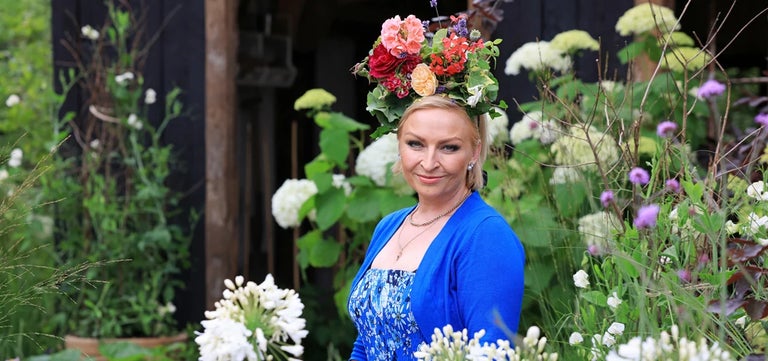
Reflecting on the personal meaning behind the project, garden designer Katy Terry said, “When I started designing the garden in September 2023, my journey with neurodiversity was just beginning. It’s been enlightening to discover and explore how my mind, like many others, works differently. Garden design has been my passion and career for over 20 years, and this project for the ADHD Foundation allowed me to bring together my love of plants and artistic expression for a cause close to my heart. We identified this unique Liverpool University location as the perfect legacy location for our garden with the intention to serve students and visitors with a pocket of peace.”
"I hope this space provides neurodiverse individuals with a moment of calm and the freedom to be themselves."
Dr Lindsey Roberts, Acting CEO of ADHD Foundation, The Neurodiversity Charity, added: “We’re proud to share this garden with the University of Liverpool and the wider community, which reflects the diversity of both plants and people, encouraging the public to embrace difference as something vital and beautiful. This wonderful opportunity, awarded to us by Project Giving Back , has allowed us to showcase a garden that celebrates diversity – both botanical and human. Just as plants adapt and thrive through evolutionary variety, so too do human beings flourish through neurological and diversity.”

"It is our differences that enable us to grow, connect and thrive."
The garden was made possible through the support of Project Giving Back and is a lasting tribute to the power of inclusive design and the value of embracing neurodiversity. The University also hosts the ADHD Foundation’s Neurodiversity Umbrella Project which involves a striking display of over 100 umbrellas located on University Square.