Chemical labels explained
The labels on garden chemicals provide important information on when, where and how to use that product. Our handy guide helps you decipher this information so you can be sure to use them as safely as possible.
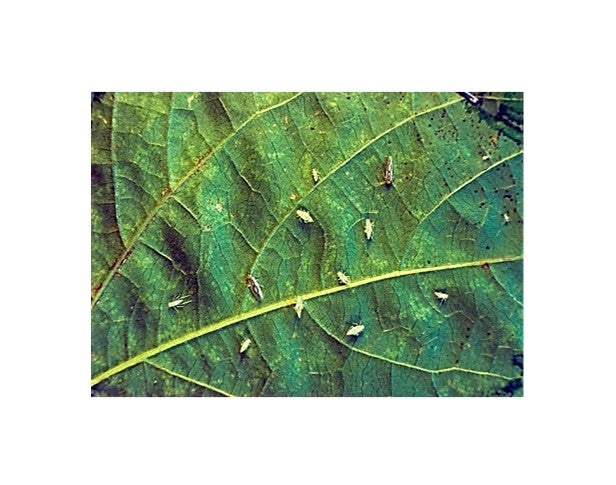
Common name - Glasshouse leafhopper
Scientific name - Hauptidia maroccana
Plants affected - Many glasshouse vegetables and ornamental plants and some outdoor plants
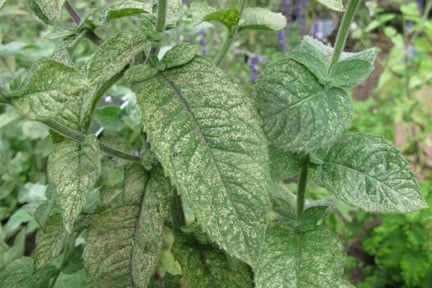
Main symptoms - Coarse pale spotting on upper leaf surface
Most active - April to September but all year round in glasshouses

The leafhoppers are a family (Cicadellidae) of sucking true bugs, there are nearly 400 species found in the UK. They can jump or fly short distances and most do not feed on or cause noticeable damage to garden plants. Find out more about British species from British bugs.
Glasshouse leafhopper is a 3 mm long pale green species.
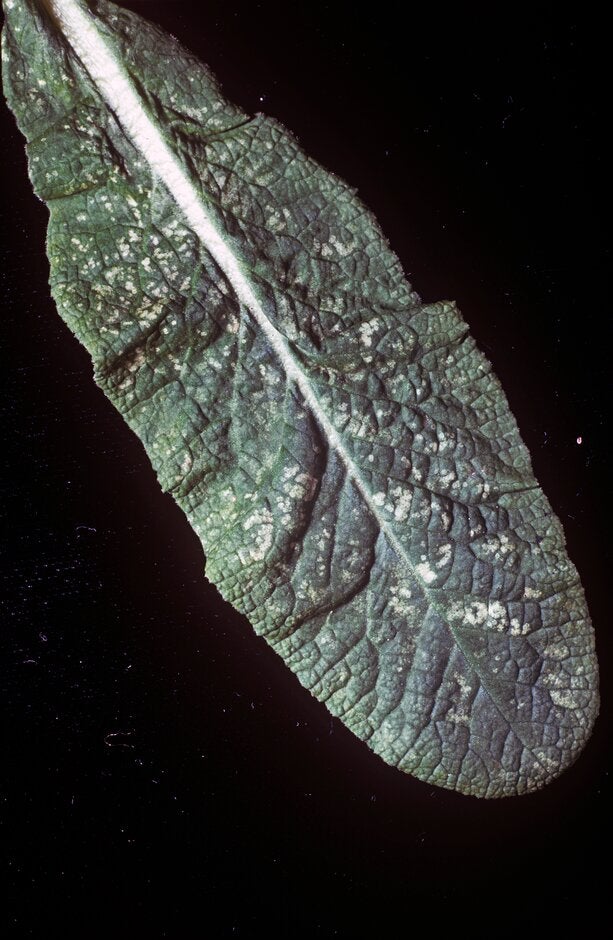
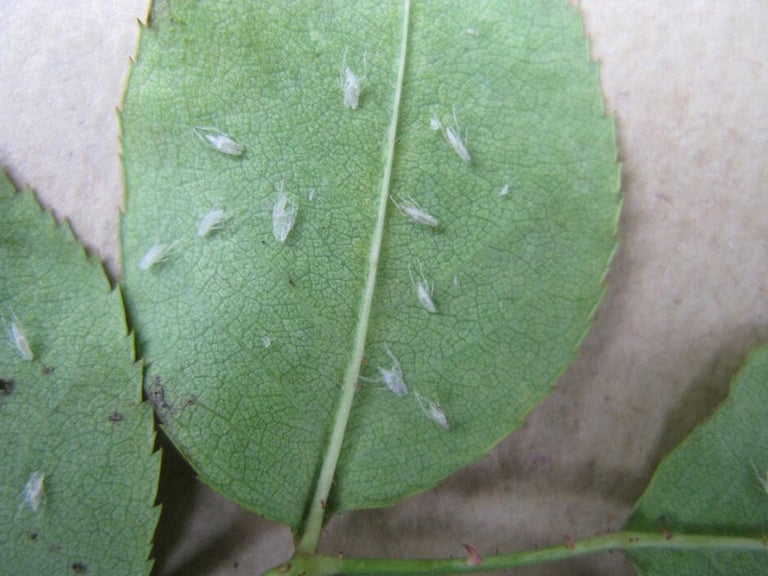
Leaf mottling can result from the feeding activities of adults and nymphs, which primarily inhabit the lower leaf surface. These insects undergo several generations during the and can remain active year-round on indoor plants. Eggs are deposited in leaf veins and hatch into wingless creamy white nymphs, which molt five times before reaching adulthood. The life cycle spans about six weeks in midsummer but extends to several months during winter.