With ever-increasing threats to our gardens and green spaces from plant health problems, it’s important for gardeners to keep gardens in blooming health and protect biodiversity. Here are some easy things we can all do to promote good plant health in our own gardens.
1. Source new plants carefully
When purchasing new plants, buy from reputable suppliers in the UK. Propagating your own plants from seed or local cuttings also reduces the risk of introducing issues to your garden or home. Plant health problems are most commonly introduced on new plants, plant parts, and associated growing media. Don’t bring plant material back from overseas.
2. Check new plants
Be alert to plant health risks. Check new plants coming into the garden or home for signs of pests or diseases, ideally before purchase. Where possible, isolate new plants for several weeks to ensure they are problem-free before adding them to your collection.
If you spot unusual symptoms, contact the supplier or, if you’re an RHS member, RHS Gardening Advice.
3. Avoid bringing plant material back from abroad
Please don’t bring plants, seeds, flowers, fruit and vegetables back from abroad, as this is a common way in which new plant health problems arrive in the UK. Bring back photos and plant names and source plants and seeds here in the UK.
4. Encourage biodiversity in the garden
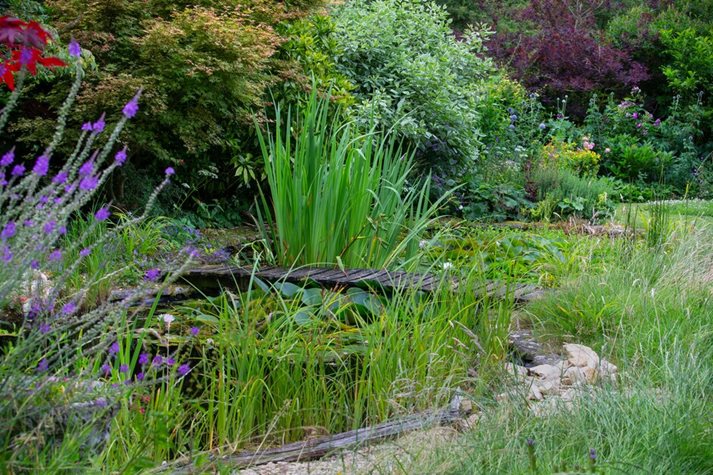
Promoting wildlife-friendly practices – growing a diversity of plant species, including native species, having log piles, water and wilder areas, where possible – in your garden will encourage a wider variety of beneficial organisms, including insects, fungi and bacteria, which will help you by reducing populations of unwelcome visitors. Let nature help you in your garden.
 5. Choose the right plant for the right place
Consider your garden’s particular conditions when choosing plants, and try to choose species that will naturally thrive in those conditions. Plants in the right growing conditions are more resilient and less susceptible to plant health problems.
6. Keep your plants healthy
Good plant husbandry can reduce the impact of pests and diseases, so make sure to give your plants the right care and attention for their needs. Strong, healthy plants are more resilient and less likely to be severely affected by plant health problems.
7. Make leaf mulch from healthy fallen leaves
Mulching is great for wildlife and improves soil health. It not only feeds plants to increase their vigour but may also prevent some pests and diseases from leaving the soil and infecting the above-ground parts of your plants.
Make leaf mulch from healthy fallen leaves. Pick up and dispose of any diseased leaves and stems first, to avoid reinfection next year.
8. Tolerate some plant damage and avoid using pesticides
Pesticides are usually indiscriminate and may also kill beneficial organisms, such as the pest’s natural predators, along with the pests. This can lead to a vicious cycle of worsening pest outbreaks.
Use cultural and biological controls instead, and try to accept some level of plant damage.
9. Keep it clean
Keep your garden tools, greenhouses and water butts clean to reduce the likelihood of providing a refuge and means of spread for plant health problems.
10. Deal with garden waste appropriately
Garden waste affected by plant health problems should be disposed of carefully. In most cases this is via council garden waste schemes, as these usually compost at higher temperatures than home composting and therefore kill more pests and diseases.
A final word
Keeping our plants and gardens healthy has always been high on gardeners’ agendas. With the frequent appearance of novel pests and diseases from abroad, planning for healthy gardens has become even more urgent.
The arrival of new plant pests and diseases in the UK is linked to the rise in the volume and diversity of plants being imported. Changes in climate, especially warmer winters, may also enable more pests and diseases to become established in our gardens.
Keeping an eye out for plant health problems means that issues are more likely to be noticed early, before they cause serious damage. Early detection is also likely to mean that the problem is easier to control.
RHS web profiles are an excellent source of advice for specific pests and diseases.
RHS members can also make use of
RHS Gardening Advice to access free diagnostic and guidance on control options. The RHS will also provide advice to members of the public where a plant is suspected to be affected by an exotic plant pest or disease (one that has not previously been reported in the UK).