Plants to attract pollinators: purple and pink
Choosing plants that attract pollinating bees and butterflies is a fundamental part of sustainable gardening. Improving the range of creatures visiting our gardens is good for biodiversity and fascinating to watch
Quick facts
- Having a variety of flower types can attract more pollinators
- Choosing plants that flower at different times of the year provides more opportunity for pollinators
- Many insects are attracted to blue and purple colours
Jump to
The planting plan
Purple and pink flowers to attract pollinators
Choosing plants to attract pollinators
Pollinating insects are in decline, but there are plenty of flowering plants to help them. Increasing flowering plants in our gardens can also improve fruit and vegetables: with more pollinating insects around, harvests will be bigger and better.
The Nepeta provides some ground cover and will help prevent erosion of bare soil. Ground cover plants can also help to reduce moisture evaporation from the soil surface and suppress weed growth.
Until the plants have filled out, an organic mulch, preferably homemade compost, can help to improve soil moisture retention and weed suppression. Mulches should be spread when the soil is already moist to help trap some of that moisture before it dries out in summer. Avoid spreading bagged potting compost on beds and borders.
1 - Weigela florida ‘Alexandra’
2 - Buddleja davidii 'Nanho Purple'
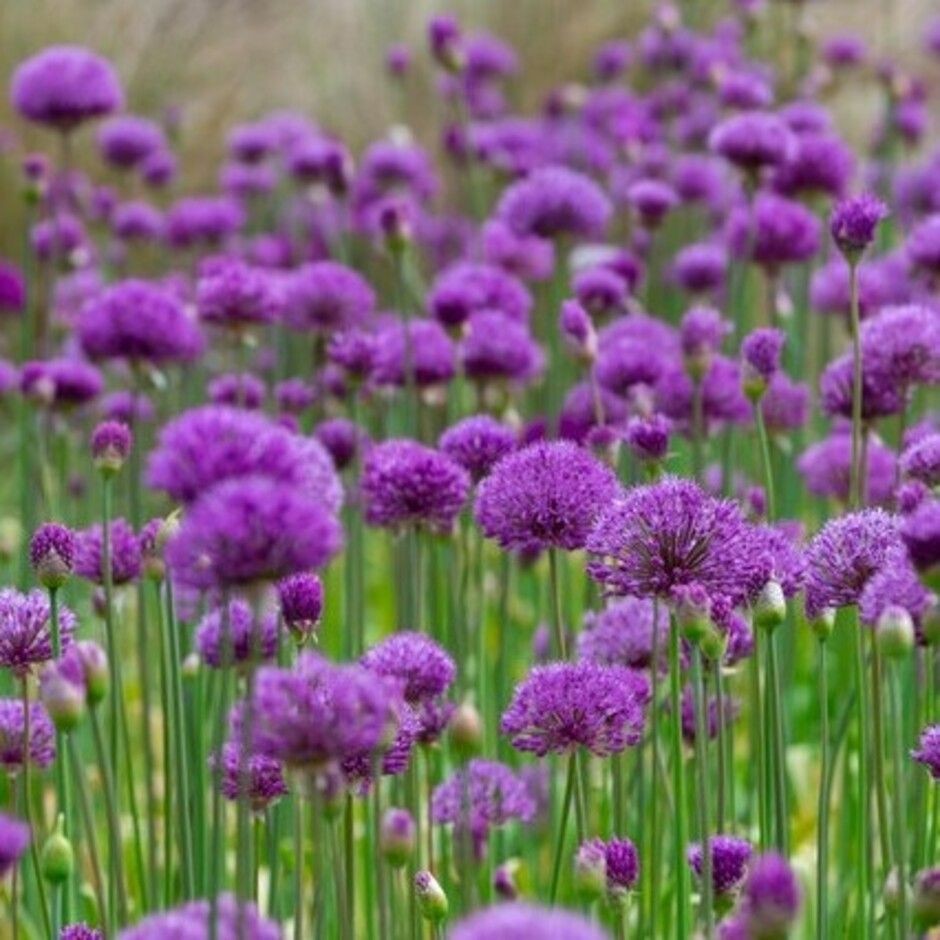
3 - Allium ‘Gladiator’
4 - Verbena bonariensis
5 - Nepeta racemosa ‘Walker’s Low’
2 - Buddleja davidii 'Nanho Purple' is a semi-evergreen shrub with grey-green leaves. It has sweet-smelling, long, cone-shaped heads of small violet-purple flowers with orange centres all summer into autumn. These are a magnet for butterflies.
3 - Allium ‘Gladiator’ is a perennial bulb with long, strap-shaped grey-green leaves, which die back at flowering time. Dense, rounded clusters of purple flowers are borne on tall stems in early summer.
4 - Verbena bonariensis is a herbaceous perennial with branched clusters of bright violet-purple flowers held atop tall stems with sparse, green leaves, from summer into autumn.
5 - Nepeta racemosa ‘Walker’s Low’ is a deciduous sub-shrub with silver-green aromatic leaves. The flowers are lilac-blue on dark stems. This catmint comes into flower in early summer and will continue into autumn if deadheaded.
About plants for pollinators
Growing plants for pollinators
Many insects are suffering from a lack of pollinator-friendly plants in the countryside to provide nectar and pollen. By offering a good range of pollinator friendly plants in our gardens, we can help these essential creatures to thrive. Increasing biodiversity is also benefical for encouraging a healthy garden ecosystem in general.
Choose plants with a variety of different flower types and structures in order to attract a wider range of pollinators across the seasons. A succession of overlapping flowering times ensures there is always something available.
Why choose a sustainable planting combination?
Additionally, this combination will also attract more pollinating insects into the garden, creating better diversity by in turn encouraging birds and other wildlife into the garden.
Get involved
The RHS is the UK’s gardening charity, helping people and plants to grow - nurturing a healthier, happier world, one person and one plant at a time.