Watering
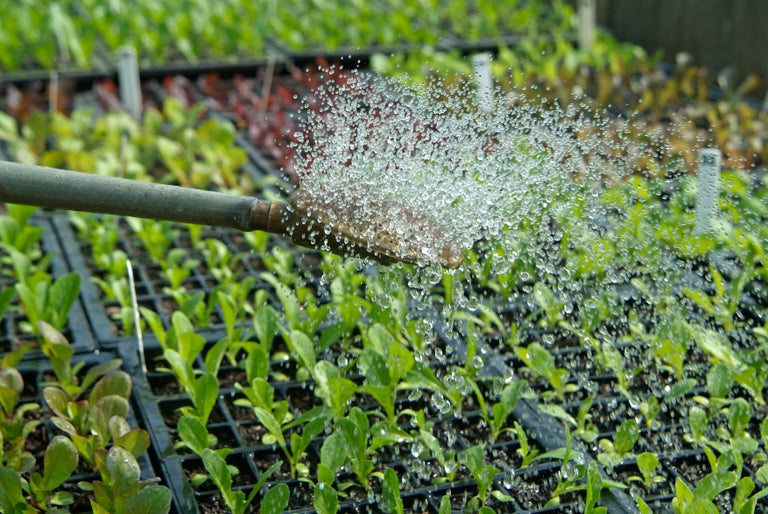
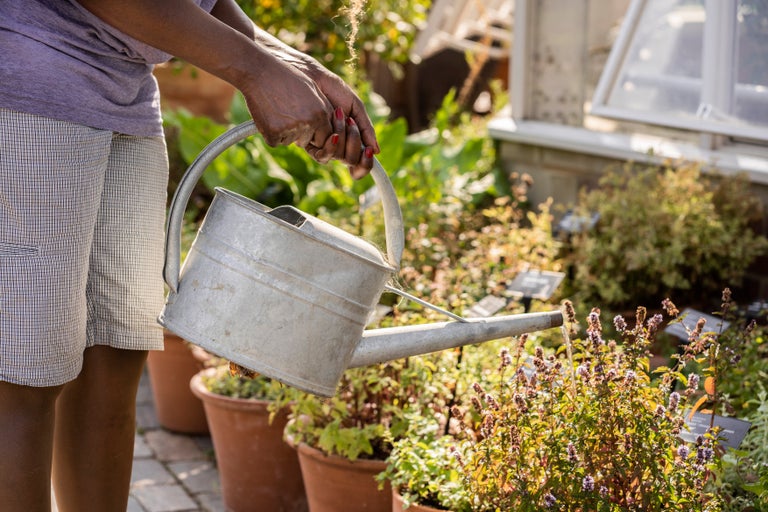
Watering well helps most plants grow stronger, develop deeper roots and cope better with dry spells. The trick is to water less often but more thoroughly – then let the surface dry before you water again.
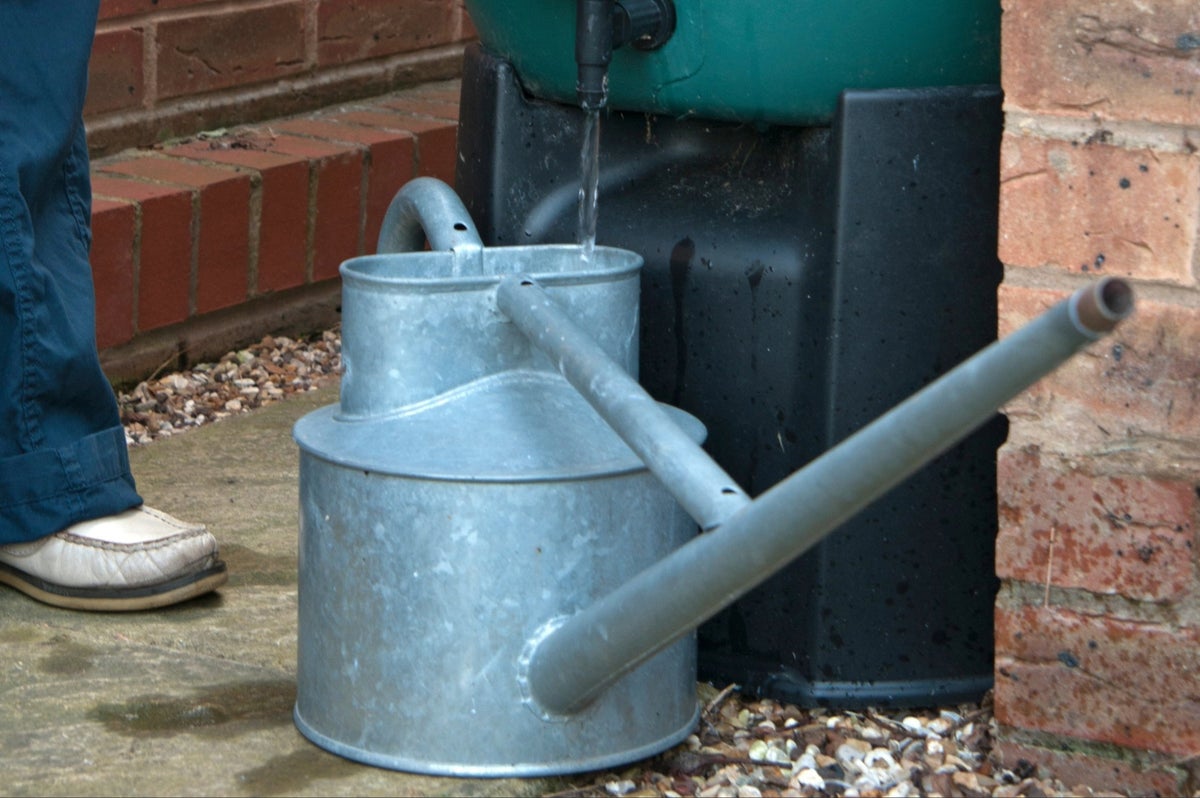
Rainwater is the best option for garden watering. It is naturally soft, low in minerals and has the right for most plants, including acid-lovers like rhododendrons and camellias. The minerals found in mains water, especially in hard water areas, can raise the pH of soil and affect nutrient availability.

Collecting rainwater in water butts is a great way to decrease reliance on mains water and can help reduce flooding during heavy rainfall. Collect water from the roof of your house, garage, greenhouse or shed. Roofs with a decent pitch and a relatively clean surface are ideal for ensuring the rainwater you collect is as clean as possible. If you are short of space or need to disguise your water butt, slimline and decorative models are available.
Even a small roof can collect large volumes of water. In dry south-east England, 2,500–3,500 litres of rainwater each year can be collected from the roof of a small shed – enough to fill around 10–15 standard 240‑litre water butts.

Dipping tanks
These are troughs usually connected to a downpipe from a roof. They often contain pond plants and can be stylish versions of the traditional water butt, though their lack of a cover can be a potential issue, as uncovered water can stagnate and harbour harmful micro-organisms. Avoid using water from dipping tanks for watering and young plants.
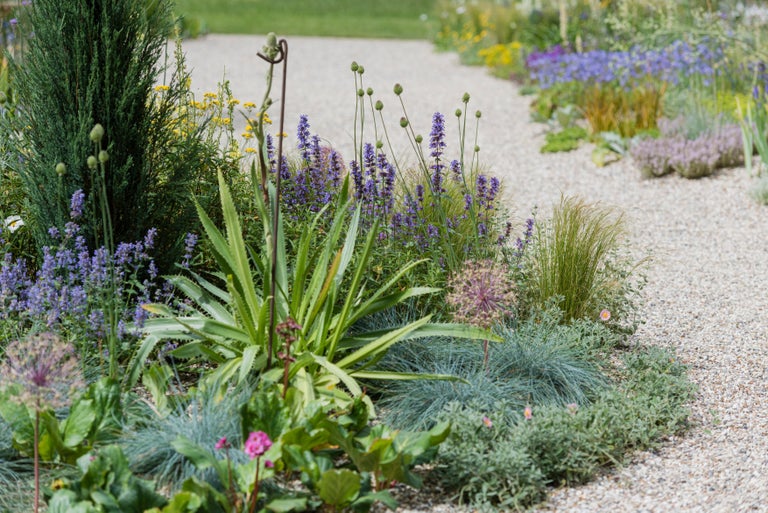
1. Choose the right plant for the right place
2. Improve soil with organic matter
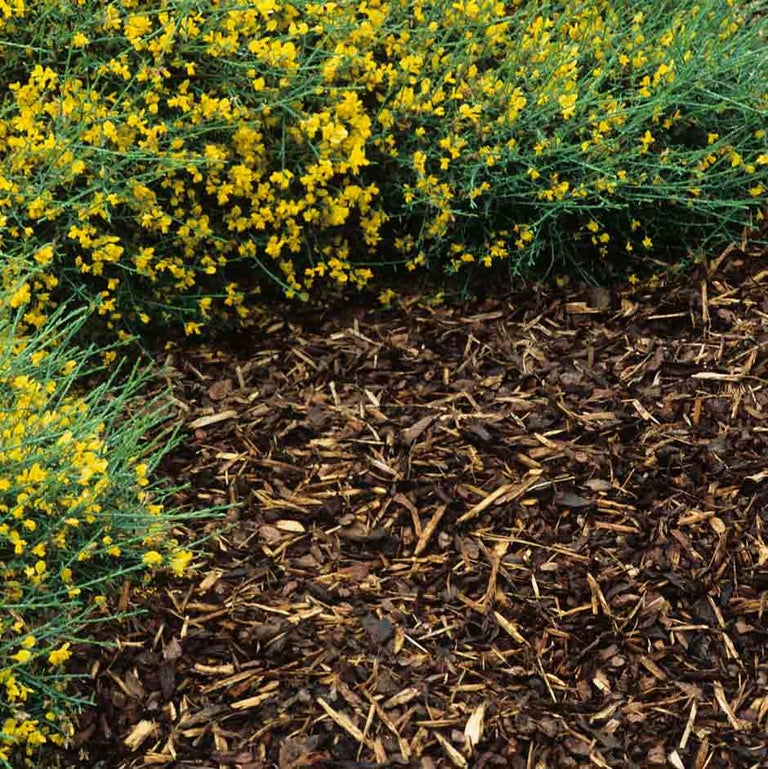
3. Mulch beds and borders annually
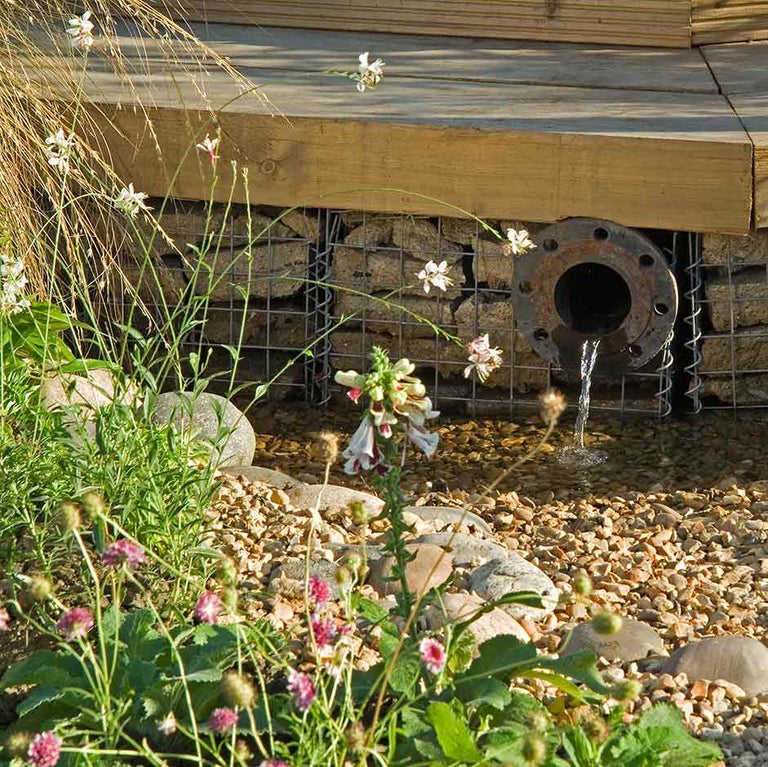
4. Store rainwater from hard surfaces in water butts
5. Use mains water only as a last resort
Can I use water butt water on all my plants?
Use rainwater stored in water butts on , but avoid using it on seedlings because it may contain damping-off diseases. Rainwater is also perfect for watering your houseplants, particularly orchids and carnivorous plants.
Do water butts need to be cleaned regularly?
Yes, clean water butts annually to prevent disease build-up and smells. Use warm water and a little washing up liquid.
How to minimise risks to people:
How to minimise risks to plants:
As the climate changes and there are drier summers but more winter rain, it may be practical to install a rainwater harvesting system to support plant growth in the hotter months. Some systems include underground storage tanks. The UK Water Reuse Association website contains information on rainwater harvesting systems.
Collecting rainwater from roofs is perfectly legal in the UK and even encouraged by councils and water companies. Concerns that collecting rainwater is illegal likely originate from historic water‑rights regulations in some US states, but no equivalent restrictions exist in the UK.
Grey water is water from showers, baths, washing machine rinse cycles and kitchen sinks. Recycling household water for use as grey water can be very useful during water shortages. To use it safely, bear in mind the following:

Softened water comes from water that has had calcium and magnesium removed and replaced with sodium ions.
Yes, it’s good for short-term use, but in the longer term, it is not recommended. Sodium can build up in soil, which can reduce the availability of critical plant , adversely impact the health of plants at very high levels, and can also affect the structure of the soil.
Boiling water removes bacteria. In hard water areas some of the calcium will be removed during the boiling process but generally not enough to make it ideal for plants that need soft water.
Water from dehumidifiers or tumble dryers is condensed and therefore suitable for use on many ornamental plants. Orchids, carnivorous and other plants that need soft water will benefit from rainwater or condensed water.
Purified water, such as distilled or deionised water, contains almost no dissolved minerals. It is too expensive for widescale use but can be helpful for plants that need very soft water, such as orchids, when rainwater is unavailable. However, because purified water lacks minerals, fertilisers need to be added to meet plants' nutrient needs. Some orchid specialists use their own deionising or reverse‑ systems, but most people would have to source purified water from car accessory or aquatic shops. For most gardeners, the cost, transport and storage issues make purified water an unrealistic option.