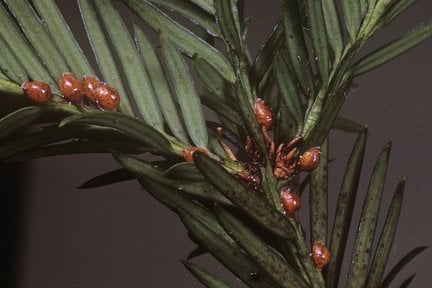
Quick facts
Common name - Cushion scale
Scientific name - Pulvinaria floccifera
Plants affected - Camellia, Ilex (holly), Euonymus japonicus, Rhododendron, Trachelospermum, Taxus (yew) and some other evergreen shrubs
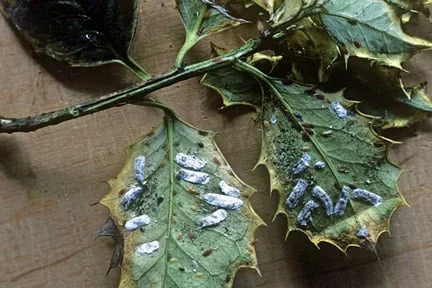
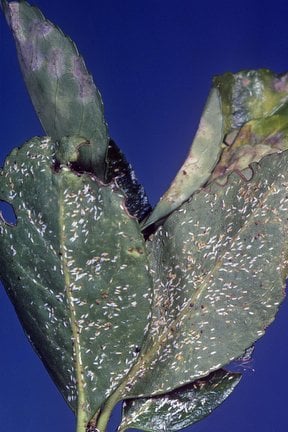
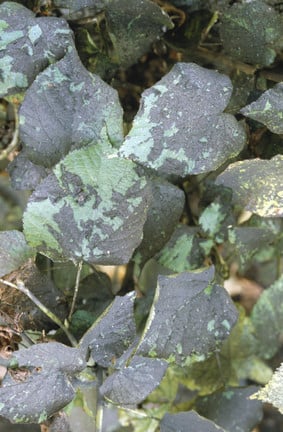
Main symptoms - Black sooty mould on the upper leaf surface in winter-spring; scale insects and white egg masses on the underside of leaves in spring and summer
Most active - All year round
What is cushion scale?
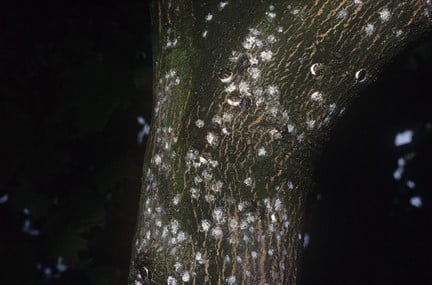
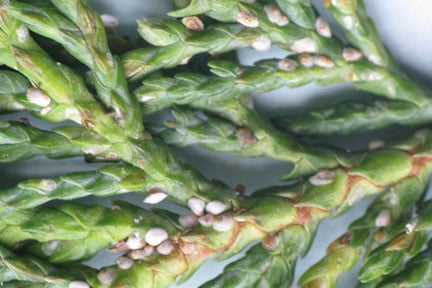
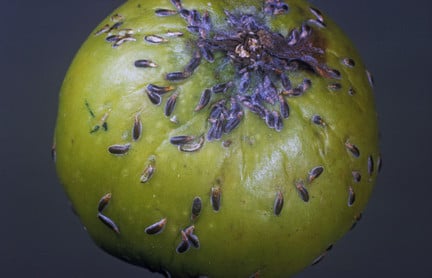
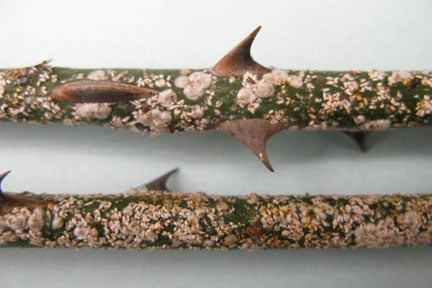
Scale insects are sucking true bugs belonging to several families in the Hemiptera. Typically the adults are immobile having a flattened or raised appearance, with no visible legs. They often look like a ‘scale’ on a leaf or stem, many species produce a white wax often covering egg masses. There are more than 100 species found in Britain, 26 of which have been introduced. More than 25 species can be found in gardens or on houseplants.
Cushion scale is a sap-sucking insect that feeds on the foliage of mainly evergreen trees and shrubs, especially camellia, rhododendron, Trachelospermum, Euonymus japonicus and holly.
Symptoms
- The scale does not usually affect the vigour or flowering of it's host plants, it does however produce a sticky honeydew excrement
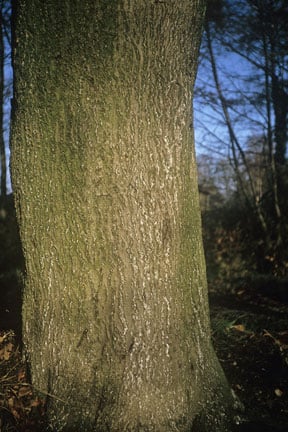
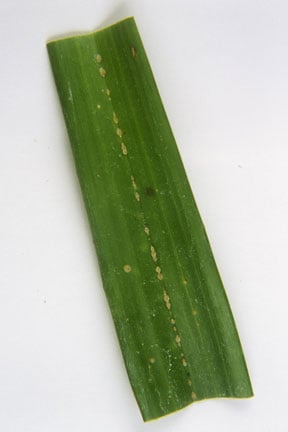
- A heavy coating of a black, non-parasitic fungus known as sooty mould can grow on honeydew on the upper leaf surface. This develops over the winter months and can persist into the summer
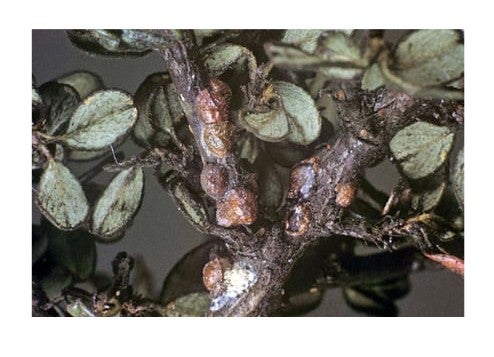
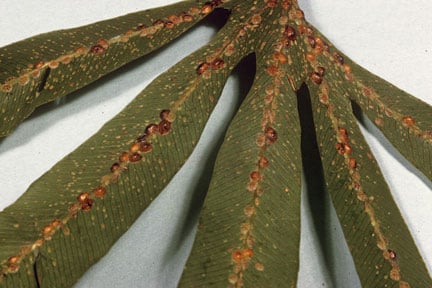
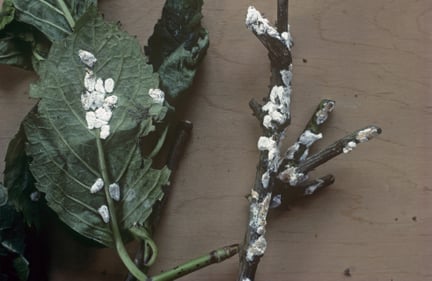
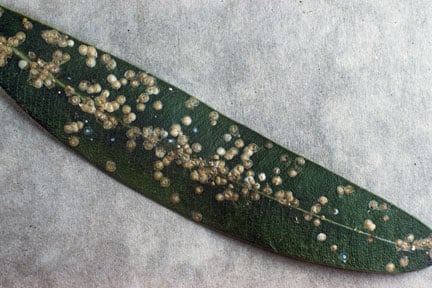
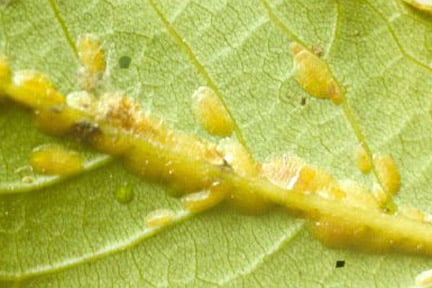
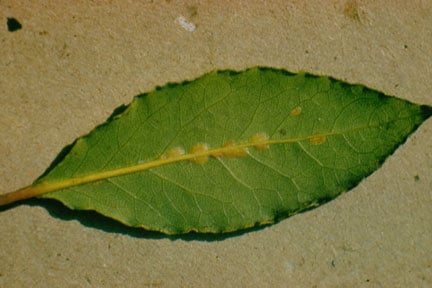
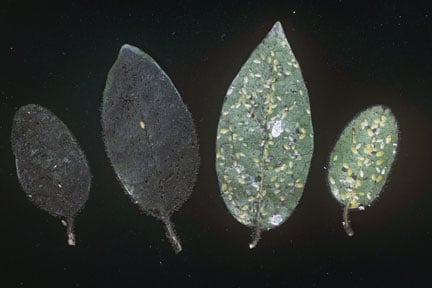
- Yellowish-brown, oval scale insects up to 3 mm (1/8 in) long can be seen near the veins on the undersides of the leaves
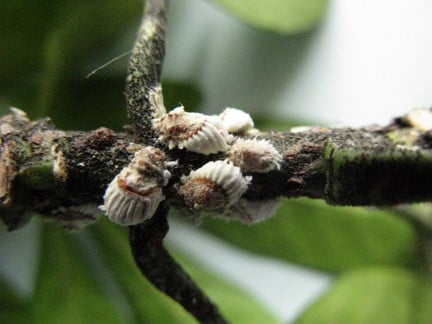
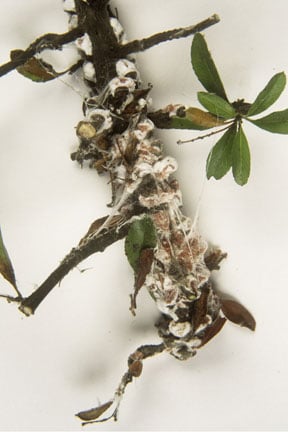
- Rectangular white waxy egg masses, up to 10 mm (almost ½ in) long and 2-3 mm (1/8 in) wide, are produced by the adult scales in spring and early summer. The remains of these egg masses can persist on the foliage throughout the year
Management
- Where possible tolerate populations of scale insects. Well-tended healthy plants are able to tolerate light populations of these insects and so they do not necessarily require management
- Encourage predators in the garden, some ladybirds, parasitoid wasps and some birds will eat scale insects
- On small plants sooty mould can be removed by wiping the foliage with a damp cloth
- Adult scales and egg masses can be removed when seen (spring and summer) but this may not reduce large populations
Biology
- There is one generation of cushion scale a year with eggs hatching in late June-July
- The scales suck and excrete a sugary honeydew that coats the upper leaf surface, allowing to develop, especially during the winter
- The size of the population on your plant can vary considerably from year to year. In mild wet winters, populations of overwintering nymphs may be reduced by a (insect pathogenic) fungal infection