Tuesday 22 October RHS Lindley Library joins with Natural History Museum’s Palaeobotanist Paul Kenrick to delve into the fascinating evolution of plants
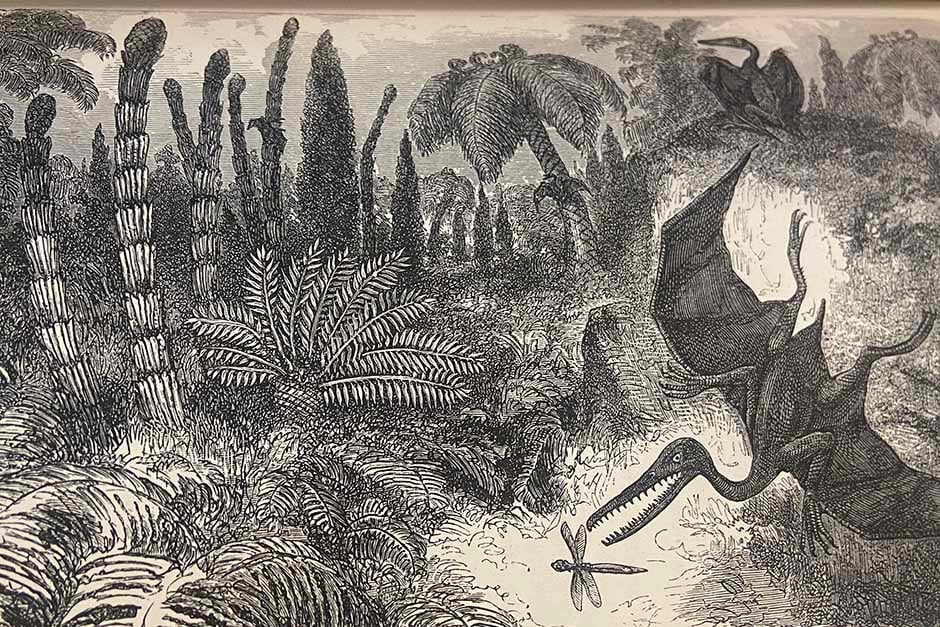
Discover our planet’s earliest plants
The new Evolution Garden at the Natural History Museum, brings the past to life as visitors travel on a journey through geological time. Join the lead scientist on the project, palaeobotanist Paul Kenrick as he explains the story behind the project as part of the RHS Lindley Library autumn programme.
“It’s not just a garden it’s a gallery – we’re telling a story.”
Paul Kenrick explains...
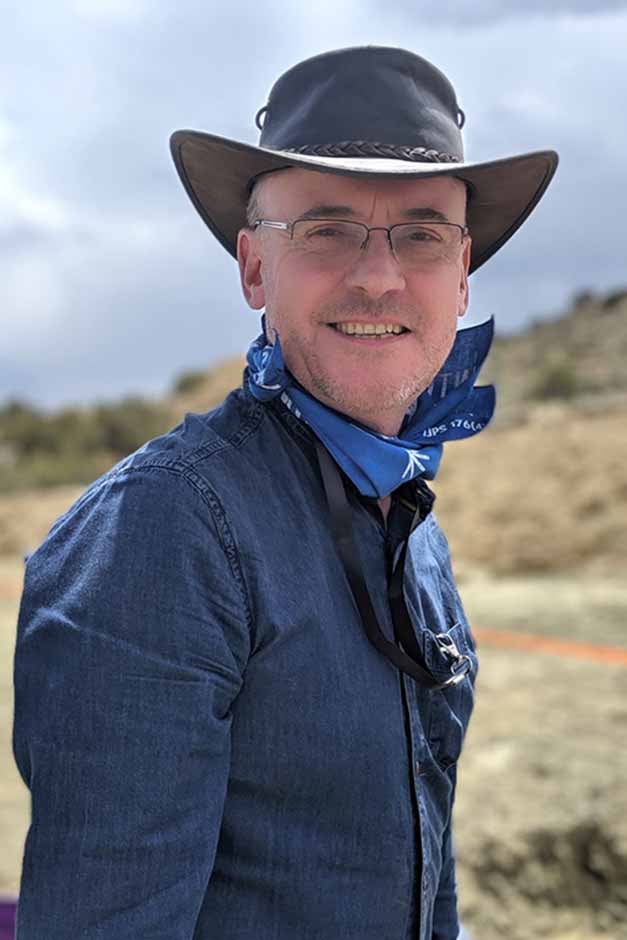
“Plant evolution is often overlooked but fundamental to life on Earth. As a palaeobotanist, I study plant fossils to determine what our most ancient plants were like, how they evolved and what this can tell us about the future. It’s like having a time machine when you look at fossil records – it’s how we know plants probably evolved with the help of fungi. By looking at patterns of vegetation over time, palaeobotanists can also predict how they might change in the future.
“Anyone can spot plant fossils once you know what to look for. While studying at Cardiff University, we’d walk up scree slopes and river valleys in the Brecon Beacons or Black Mountains and find 400-million-year-old plant fossils. They often look like tea leaves – or tiny black or brown twigs if better preserved. You need permission to dig up specimens.
“I drew upon 250,000 plant fossil records kept at the Natural History Museum to tell the story of plants in our Evolution Garden, which opened earlier this year at the museum. My Lindley Late talk will explain how we did it. We concentrated on the last 540 million years – the Phanerozoic eon – but flowering plants weren’t around until much later. We know from the fossil record that 55 million years ago, London was more tropical. Rainforest plants wouldn’t survive outside in London now, so we improvised with palms and Trachycarpus.”
At the event
Delve into a history of plants at this talk by palaeobotanist Paul Kenrick, as we uncover:
-
What does a palaeobotanist do, and how can we determine what the world once looked like?
-
What do we know about the most ancient plants and the environment in which they lived?
-
How we can understand climate change through plants as indicators.
There will be plenty of time to ask questions, and you can join us for a drink after the conversation and explore the RHS Lindley Library’s collection of gardening books.
Please note: When purchasing tickets you are leaving the RHS website. Tickets for this workshop are made available through Eventbrite on behalf of the RHS. Both the RHS and Eventbrite terms and conditions and privacy policy will apply.
Paul Kenrick - Palaeobotanist based at the Natural History Museum, London. Paul’s research focuses on the early evolution of life on earth and is the author of
A History of Plants in Fifty Fossils. Paul was the lead scientist on the Natural History Museum’s major new exhibit in the Museum’s garden in South Kensington:
The Evolution Garden.