Flower shape identification guide
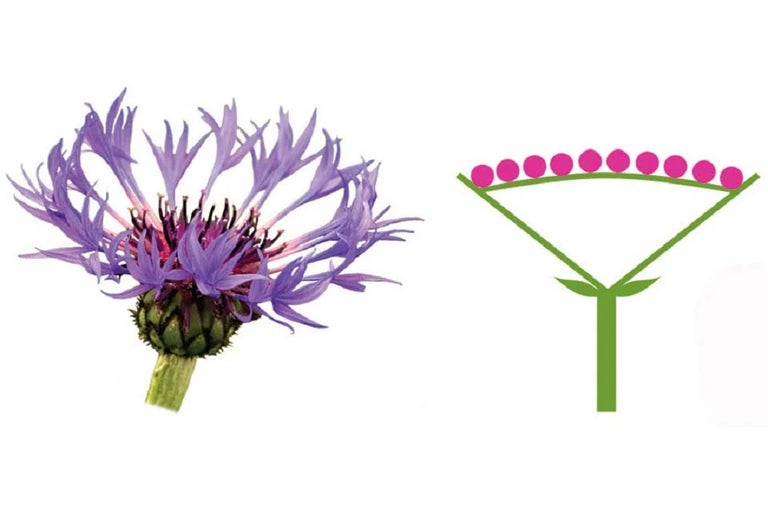
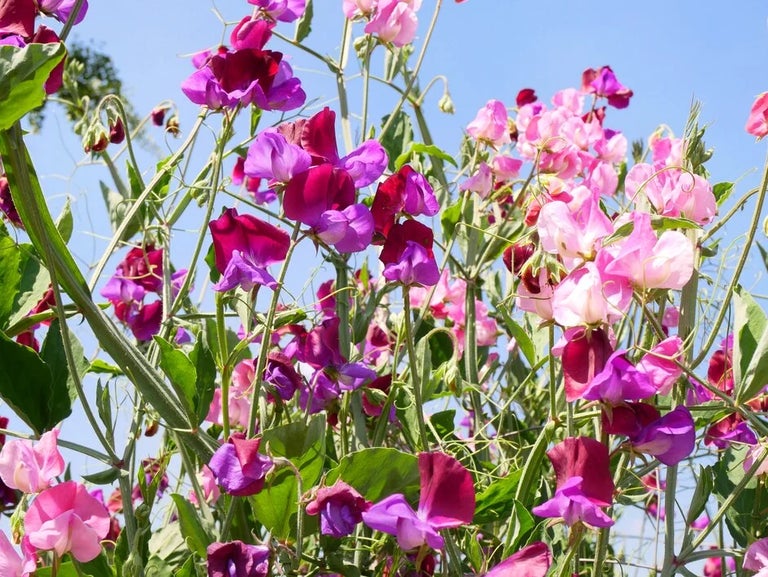
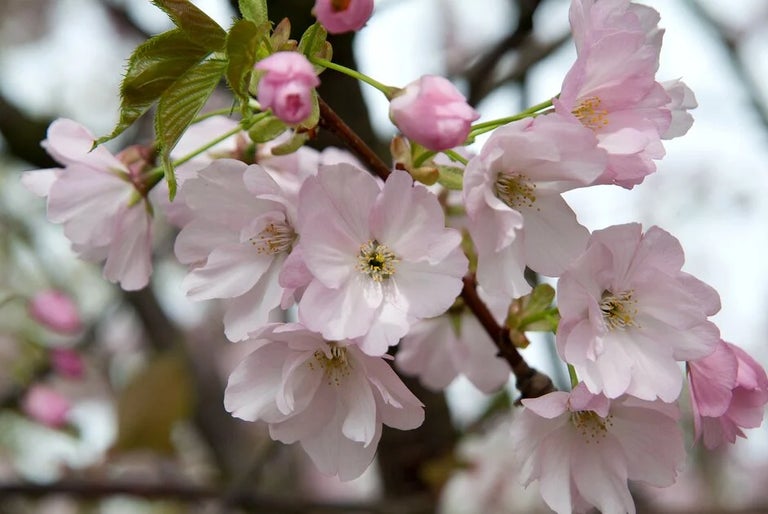
Flowers come in many shapes, sizes, and arrangements on their stems - this is called an inflorescence. Different pollinators prefer different flower shapes, so having a variety can boost biodiversity.

Learning objectives
Explore nature in the local environment
Identify and name common weeds, as well as their colours and shapes
Develop observational skills
Science: Identify common plants, observe seed dispersal, and explore how plants support wildlife
Geography: Recognise local plant life and understand its role in biodiversity
Design & Technology: Learn where food comes from and how plant choices impact wildlife

Weed | Seed dispersal | | Pollinators | Habitat | |
A weed is just a plant growing where it’s not wanted. They pop up everywhere and can take and water from other plants or , but many also benefit wildlife in lots of ways. Use our guide to spot common weeds and decide whether to keep or remove them!
Bittercress

This low-growing plant has small white flowers and attracts moths, butterflies, and hoverflies. Its leaves can even be eaten in salads.
Creeping buttercup

These bright yellow flowers bring a splash of colour to grassy areas and are loved by bees, butterflies, and beetles. They spread quickly, so keep them in check.
Daisy
A familiar sight in lawns and parks, daisies are loved by pollinators, snails, and even rabbits. Many wouldn’t even call them a weed!
Dandelion

With its long flowering season, the dandelion is a great food source for bees and butterflies. Letting them grow can help boost biodiversity.
Forget-me-not

These little blue flowers look lovely in pots and along paths, but they spread easily, which is why some consider them weeds.
Green alkanet

Its vivid blue flowers attract pollinators, but its large, coarse leaves can quickly take over a space if left unchecked.
Groundsel

Clusters of yellow flowers turn into fluffy white seed heads that spread easily by wind. Often found along roadsides and fields.
Hedge bindweed

This climbing plant wraps around fences and other plants. Its white trumpet-shaped flowers are loved by bees, butterflies, and hoverflies.
Oxalis

With its shamrock-shaped leaves and delicate flowers, oxalis often pops up in cracks in concrete. It spreads quickly, so it can become a nuisance.
Poppy

The common poppy’s bright red petals bring colour to grassy spaces and verges. Though beautiful, they can spread easily into unwanted areas.
Red deadnettle

This wildflower has purply-pink tubular flowers that attract bees. Its leaves don’t sting, and some moth caterpillars like to munch on them.
Rosebay willowherb

Its tall pink flowers are popular with pollinators, but each plant produces up to 80,000 seeds, making it a fast spreader!
Scarlet pimpernel

A creeping plant with small leaves and pretty five-petalled flowers, usually orange or red, but sometimes blue. Found in fields and verges.
Shepherd’s purse

This plant’s tiny white flowers grow on thin stems. It spreads easily, but pollinators love the flowers, and small birds enjoy its seeds.
Speedwell

Its tiny blue or purple flowers brighten up wildlife corners and borders while giving food to solitary bees and shelter to soil-dwelling invertebrates.
Spurge

With small green flowers and oval leaves, this plant spreads easily. It has a milky sap that can irritate skin, so always wear gloves to remove.