Autumn flowers and fruit identification guide
Use this guide to help identify flowers and fruits that appear throughout autumn.

Learning objectives
Explore nature in the local environment
Identify and name common summer flowers, as well as their colours, shapes and growing conditions
Develop observational skills
Learn about different plants that can encourage biodiversity in school grounds
Science: Identify common plants; understand plant lifecycles and pollination; explore plants' role in ecosystems
Geography: Observe seasonal changes and identify local plant species
Design & Technology: Learn how to grow and care for plants in different environments

Summer | Seasons | Petal | | | | | Habitat
Summer is a busy time in the garden; plants are bursting with colour, bees and butterflies are busily working hard, and crops are plumping up ready for harvest. Here are some popular summer flowers to look out for in your school grounds or local area.
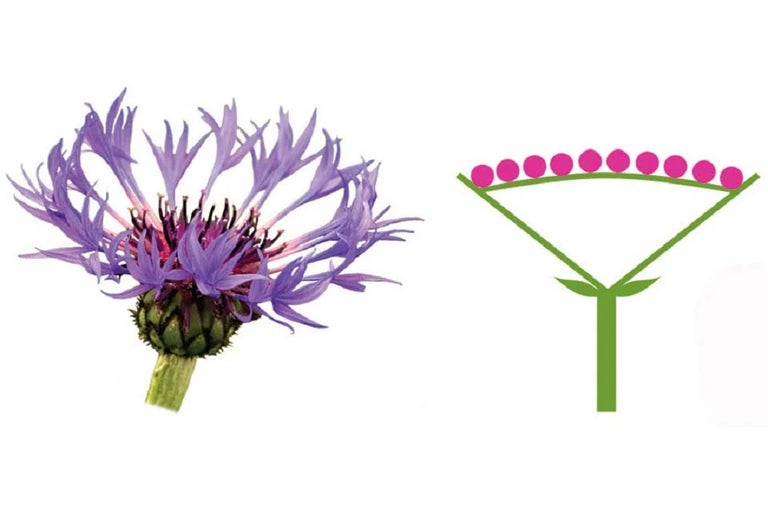
Cornflower

These little gems bring splashes of blue, pink, and white to wildflower areas. They’re great for pollinators and can be sown from March to May for summer blooms.
Cosmos

With feathery leaves and delicate, saucer-like petals in white, pink, red, orange, or yellow, cosmos are easy to grow. Sow from February to May for flowers in summer.
Courgette

Courgettes grow lots of tasty fruits from midsummer to autumn, and their bright yellow flowers can even be eaten! Perfect for veg patches or big pots.
Lavender
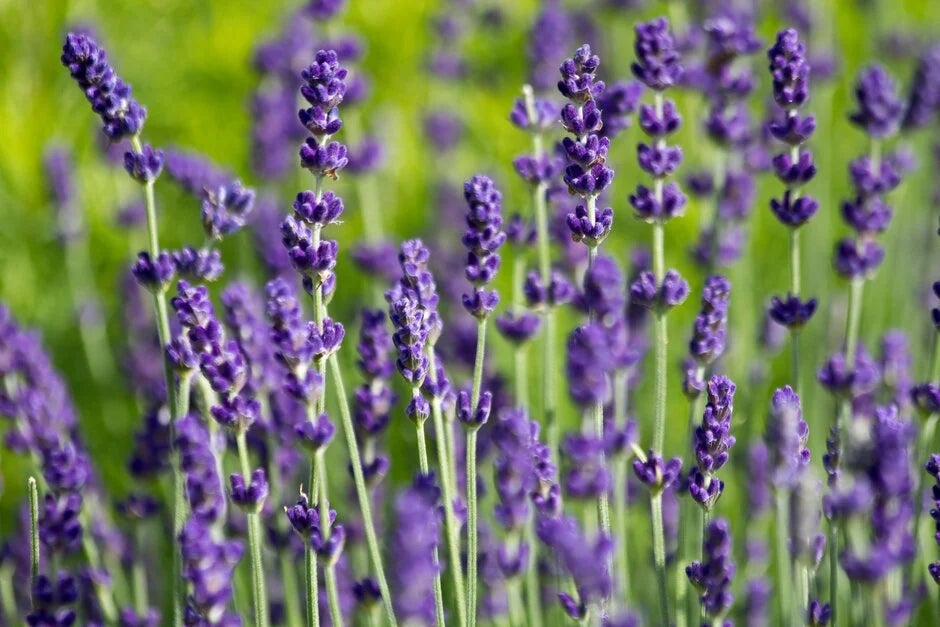
A great plant for schools, lavender smells amazing, grows well in containers, and doesn’t need much water. Bees love its purple flowers!
Love-in-a-mist

This pretty flower is easy to grow in beds or containers. Sow in March or April for lovely blooms, and keep the seedheads for flower arrangements.
Nasturtium

With flowers in creams, yellows, oranges, and reds, nasturtiums add colour to gardens and can be eaten in salads! Plant in spring for blooms through summer and autumn.
Petunia

Petunias come in many different colours and look great in containers or hanging baskets. They can be tricky to grow from seed but are easy to buy as young plants.
Phacelia

A superhero plant! Its purple flowers are beautiful and loved by pollinators, and the plants improve the soil by adding nutrients and keeping weeds away.
'Poached egg' plant

Named for their bright yellow and white petals, these easy-to-grow flowers are loved by hoverflies and other insects. Sow seeds from March to June for a summer display.
Pot marigold

With bright orange, daisy-like flowers that are edible, these fast-growing plants are perfect for filling gaps in flower beds and attracting pollinators.
Rose

A summer favourite with beautiful colours and scents. Some varieties grow well in small spaces or pots, while others climb walls or fences.
Rosemary
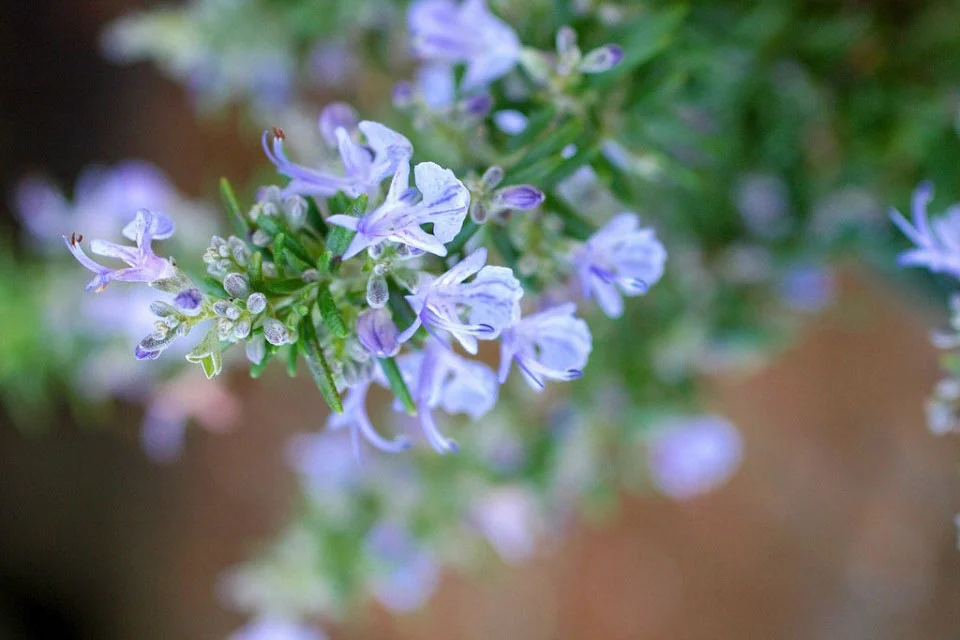
A fragrant herb with purple flowers that attract bees. It grows well in pots and can be planted alongside other herbs to create a sensory herb patch.
Snapdragon

These tall, colourful flowers brighten up beds and containers. Bumblebees love them, and they make great cut flowers too!
Strawberry

The pretty little white flowers mean juicy red strawberries are on the way! They grow well in containers, hanging baskets, or veg patches.
Sunflower

The ultimate happy flower! Tall, bright yellow, and loved by bees. Leave the seed heads in autumn and birds will enjoy them too.
Sweet pea
With pastel petals and a beautiful scent, sweet peas climb up twigs or trellises. The more you pick, the more flowers they produce!