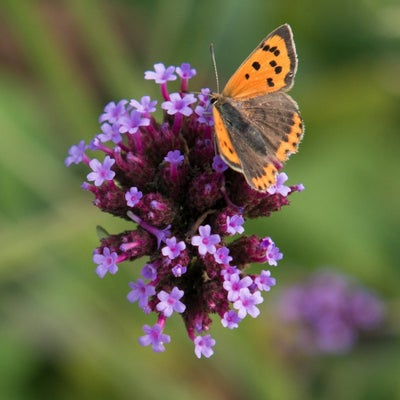
Choosing plants that attract pollinating insects, including butterflies, is a fundamental part of sustainable gardening. Improving the range of creatures visiting our gardens is good for biodiversity and fascinating to watch
By The RHS Advice Team
Quick facts
There are 59 species of butterfly resident in Britain
1
There are up to 30 species that visit as migrants from Europe and North Africa
2
Choose plants that flower for long periods over spring and summer
3
Many insects are attracted to blue and purple colours
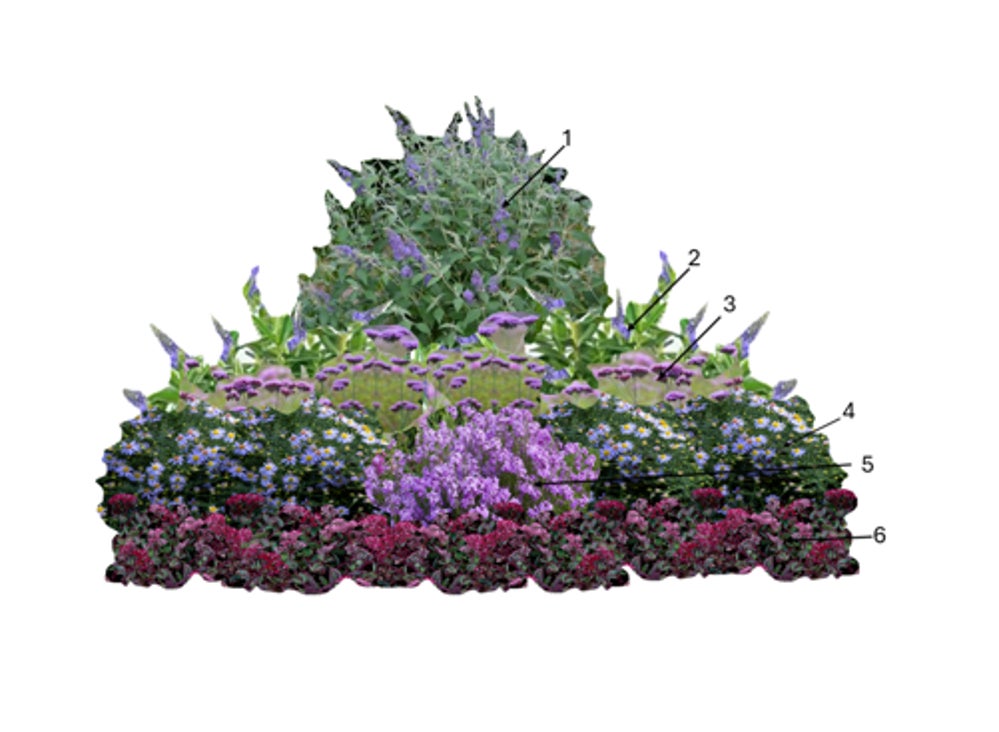
James Lawrence, RHS Principal Horticultural Advisor, has designed this simple, attractive, and most importantly, sustainable border design for you to try at home, with plants that are easy to grow, widely available and look good together.
James Lawrence
Choosing plants for pollinators
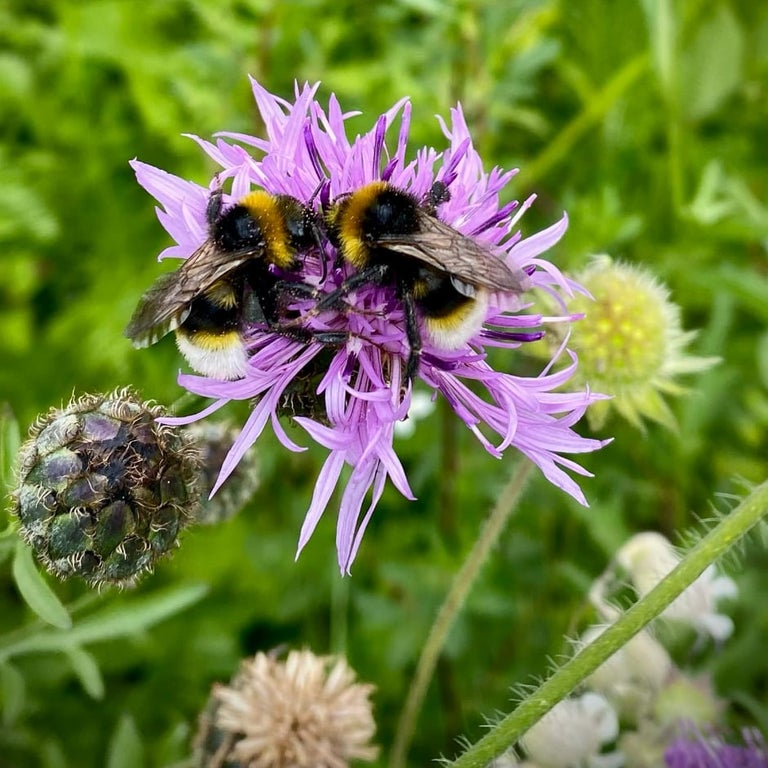
Pollinating insects are in decline, but there are plenty of flowering plants to help them. Including more flowering plants in our gardens can also improve fruit and vegetables – with more pollinators around, harvests will be bigger and better.
The Hylotelephium provides some ground cover and will help to prevent erosion of bare soil. Ground cover plants can also help to reduce moisture evaporation from the soil surface and suppress weed growth.
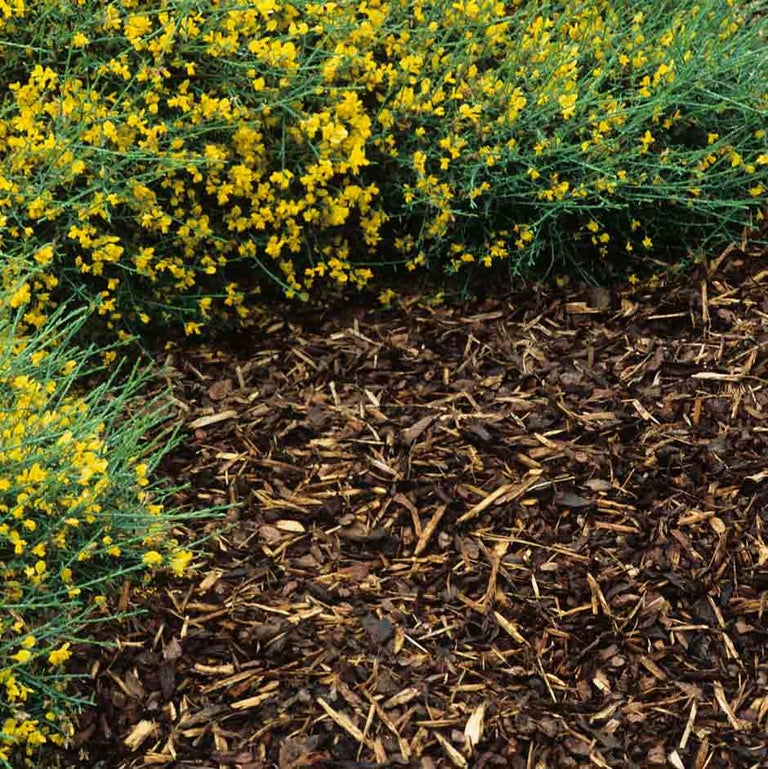
Until the plants have filled out, an organic mulch, preferably homemade compost, can help to improve soil moisture retention and weed suppression. Mulches should be spread when the soil is already moist, to help trap some of that moisture before it dries out in summer.
1 –Buddleja ‘Lochinch’
2 –Veronica × andersonii
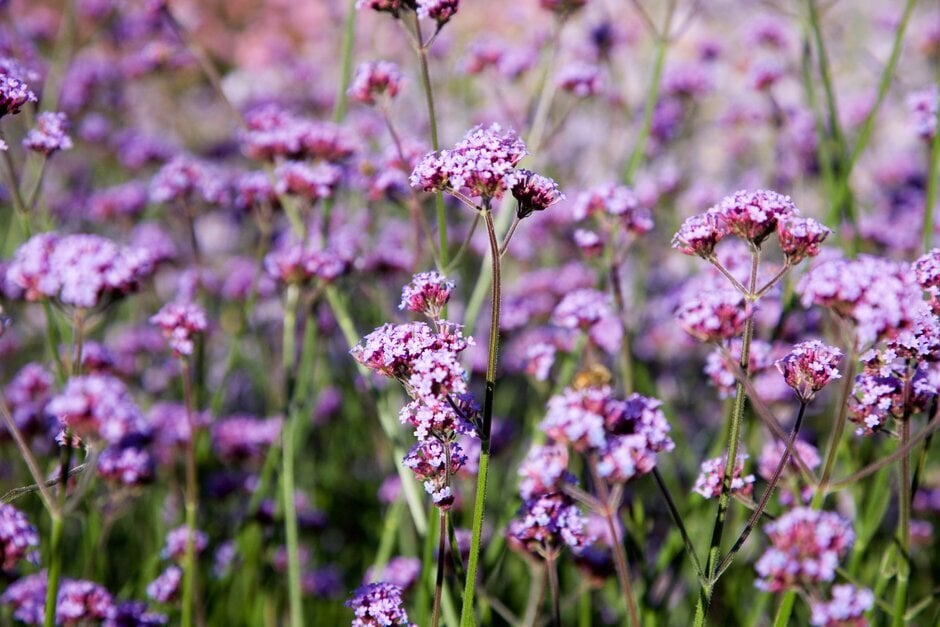
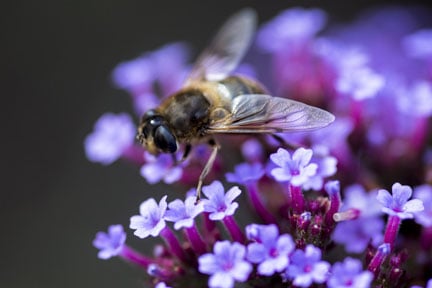
3 –Verbena bonariensis
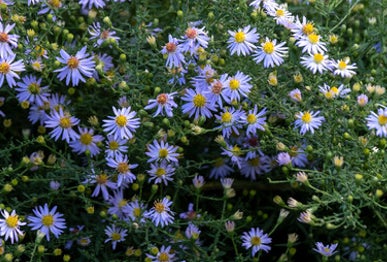
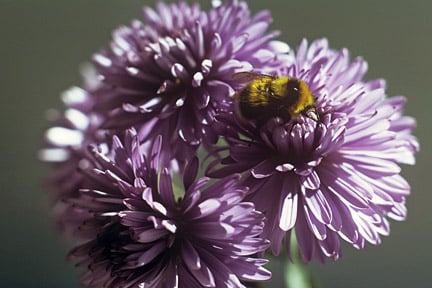
4 –Symphyotrichum ‘Photograph’
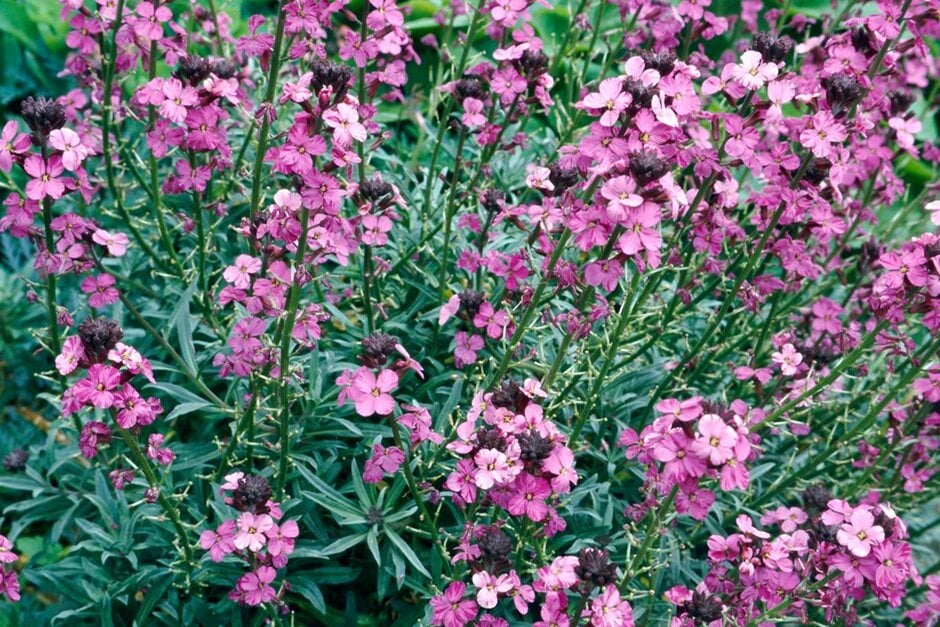
5 –Erysimum ‘Bowles’s Mauve’
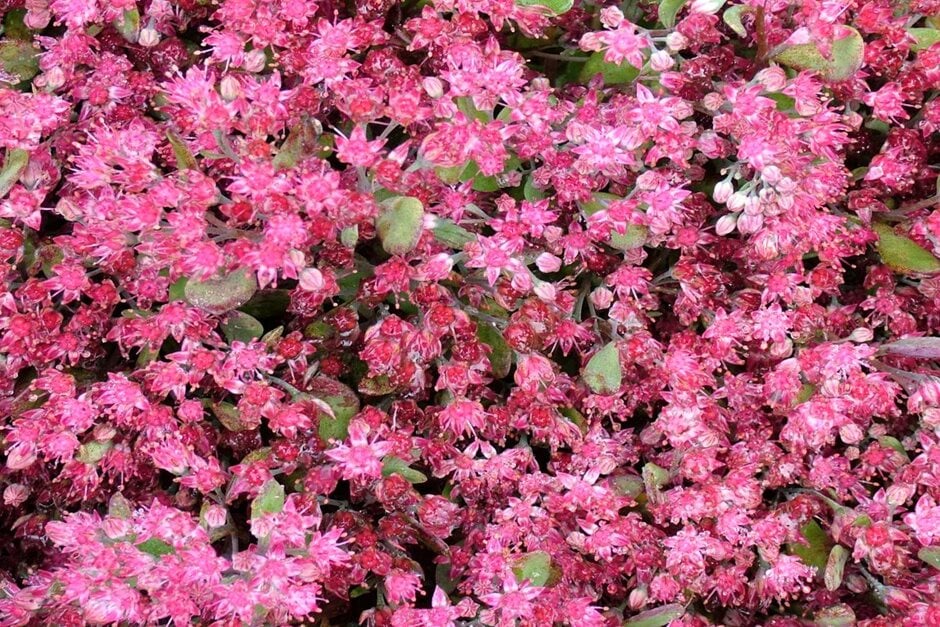
6 –Hylotelephium ‘Ruby Glow’
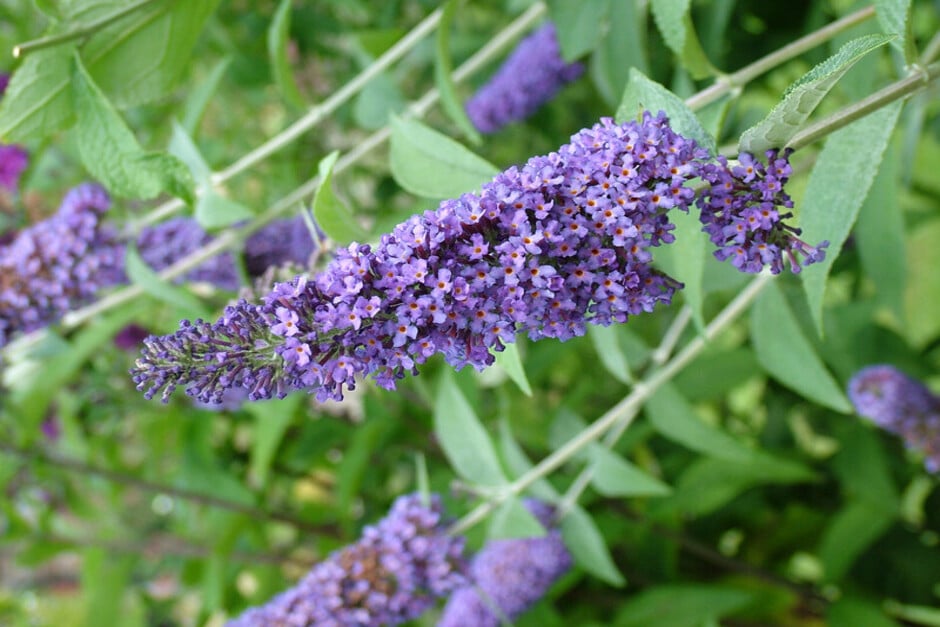
1 – Buddleja ‘Lochinch’ is a shrub with arching branches of grey-green leaves and long, slender panicles of light violet-blue, orange-eyed, sweetly scented flowers from midsummer to early autumn.
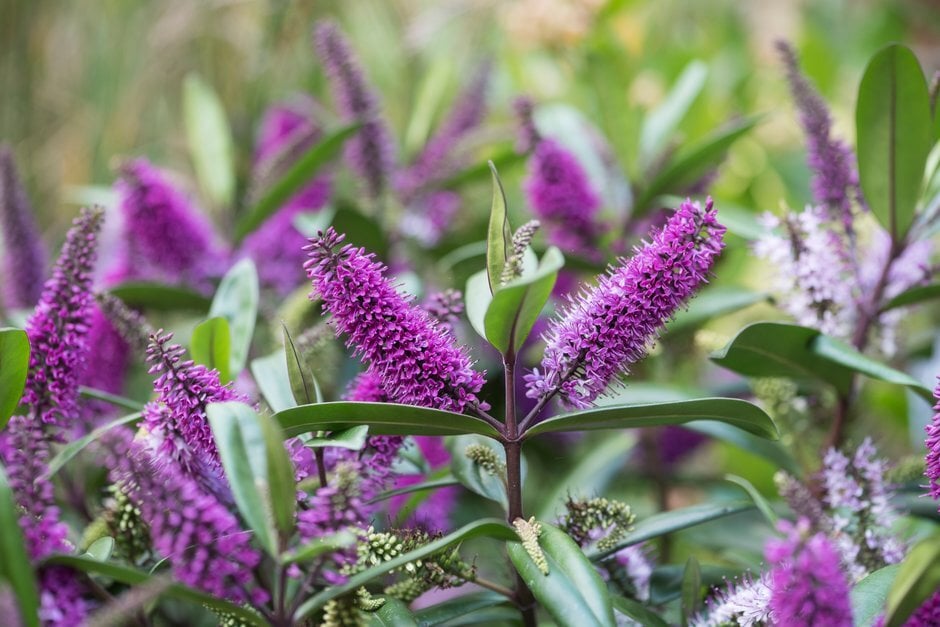
2 – Veronica × andersonii is a large evergreen shrub with narrow, pointed leaves on dark stems and long sprays of tiny purple flowers that fade to white from midsummer into autumn.
3 – Verbena bonariensis is a tall herbaceous with strong branching stems and airy clusters of small, lilac-purple flowers from summer to autumn.
4 – Symphyotrichum ‘Photograph’ is a herbaceous perennial with small heart-shaped leaves and a mass of small, pale lilac-blue flowers in early autumn.
5 – Erysimum ‘Bowles’s Mauve’ is a bushy evergreen perennial with narrow, dark grey-green leaves and clusters of rich mauve flowers from late summer into autumn.
6 – Hylotelephium ‘Ruby Glow’ is a herbaceous perennial forming a low, spreading clump with fleshy, purple-green leaves and flat clusters of starry, deep crimson flowers in late summer.
About plants for pollinators
Using scientific evidence, our extensive experience and the records of gardeners and beekeepers, we’ve selected a range of year-round flowering plants for pollinators to tackle the decline in numbers. The RHS Plants for Pollinators lists were systematically reviewed by our team of experts in 2025 and relaunched with new plants added. Visit our Plants for Pollinators page for details, and to discover more of the best plants for attracting pollinators.
Growing plants for pollinators
Insects are suffering from a lack of -friendly plants in the landscape to provide and pollen. By offering a good range of pollinator-friendly plants in our gardens, we can help these essential creatures to thrive. Increasing is also beneficial for encouraging a healthy garden ecosystem in general, which in turn helps to keep our plants healthy.
Choose plants with a variety of different flower types and structures in order to attract a wider range of pollinators across the seasons. A succession of overlapping flowering times over the course of the year ensures there is always something available.
Gardens are a valuable habitat for butterflies, which are vital for the food chain and provide services. Visit our butterflies in your garden guide and recommended plants for butterflies to discover more information about attracting butterflies to your garden.
Why choose a sustainable planting combination?
Using the ethos of ‘right plant, right place’ to create a sustainable planting combination is great for the environment. It helps to avoid waste, and the use of products and practices needed to try and help ailing plants, such as applying fertiliser. It also creates robust, long-lived planting that benefits soil health and garden . For more information about sustainable gardening, please see the RHS Sustainability Strategy.
By attracting more pollinating insects, this combination will help to improve overall biodiversity by in turn encouraging birds and other wildlife into your garden.