Drought-resistant plants
As climate change presents us with the challenge of gardening with less water, choosing plants to suit our growing conditions becomes paramount.
Having a variety of flower types can attract more pollinators
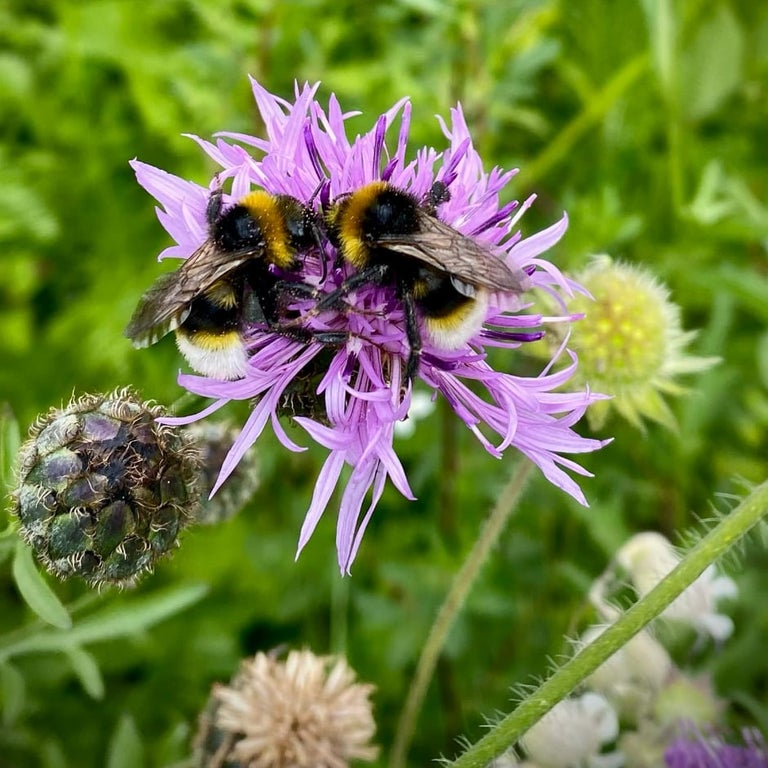
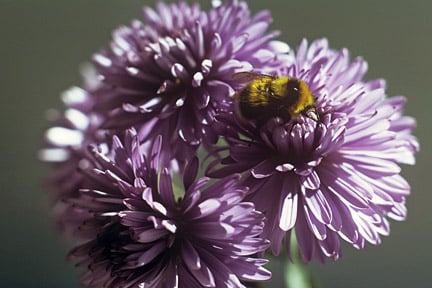
Many insects are attracted to shades of pink and blue
The addition of organic matter will help soil retain moisture in the driest months
Droughts are more likely to occur with climate change
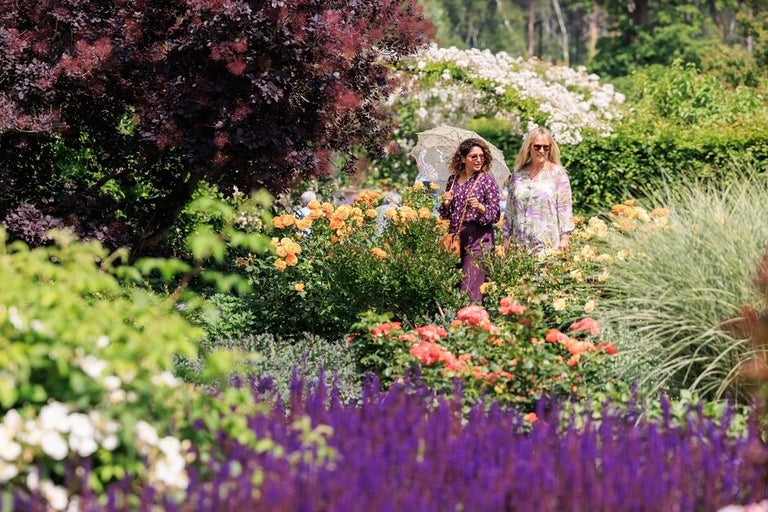
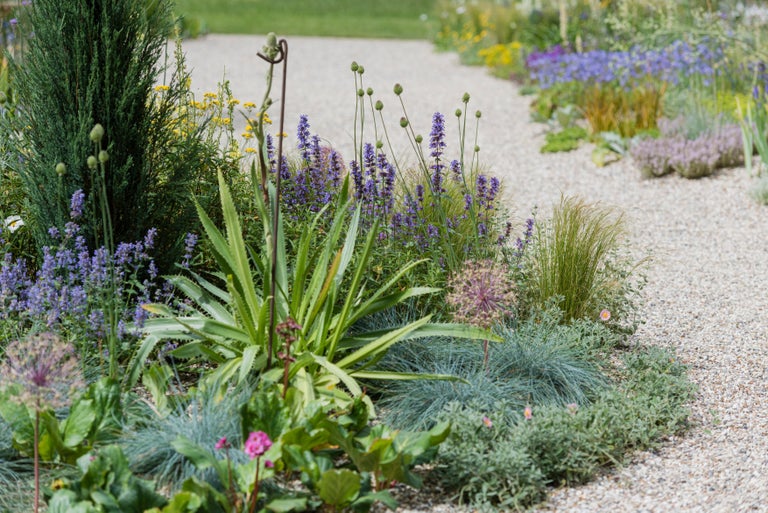
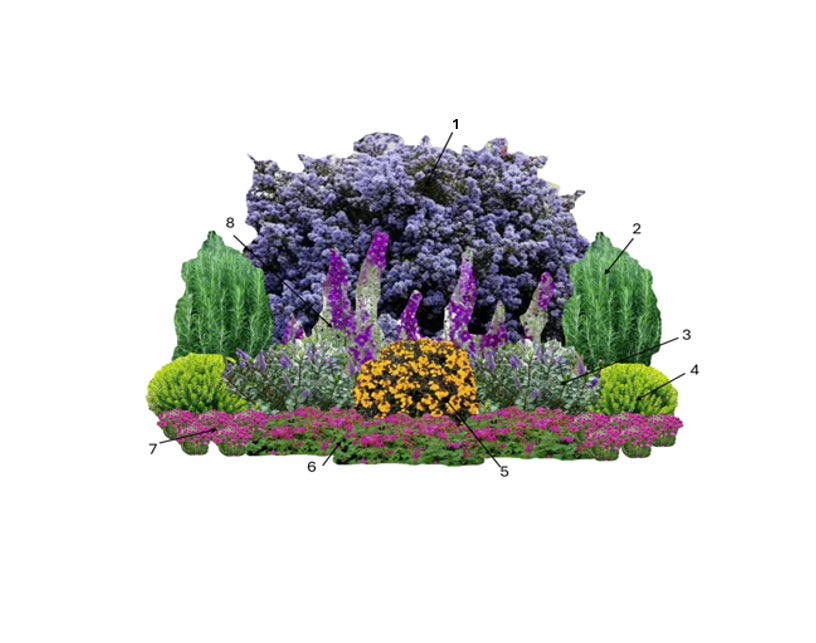
James Lawrence, RHS Principal Horticultural Advisor, has designed this simple, attractive, and most importantly, sustainable border design for you to try at home, with plants that are easy to grow, widely available and look good together.
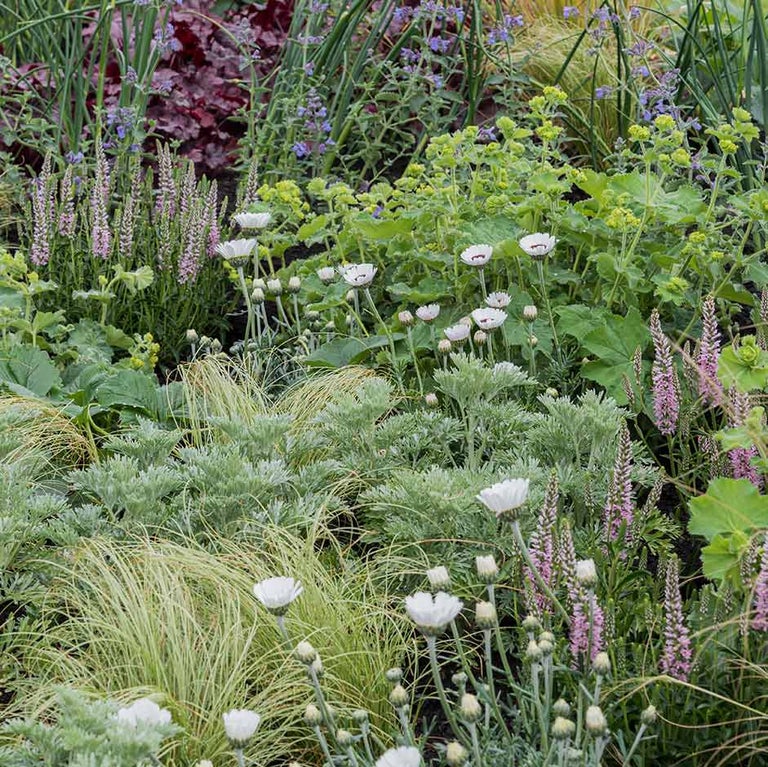
This planting design provides a range of plants that, once established, will thrive together in drought conditions to provide a variety of interest throughout the year. A simple planting plan helps to create depth, interest and good coverage in a border.
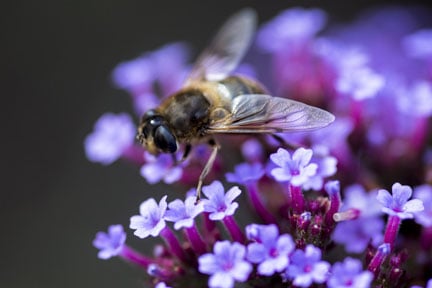
Pollinating insects are in decline, but there are plenty of flowering plants to help them. Increasing flowering plants in our gardens can also improve fruit and vegetables: with more pollinating insects around, harvests will be bigger and better.
The thick, leathery leaves of the Ceanothus resist drying out well and the hairy leaf surface of the Verbascum gives the foliage a silver sheen, helping to reduce water loss.
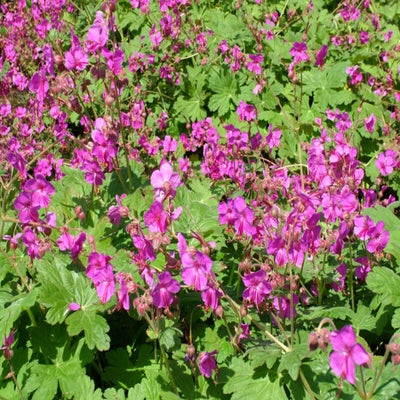
The Geranium provides some ground cover and will help prevent the erosion of bare soil. Ground cover plants can also help to reduce moisture evaporation from the soil surface and suppress weed growth.
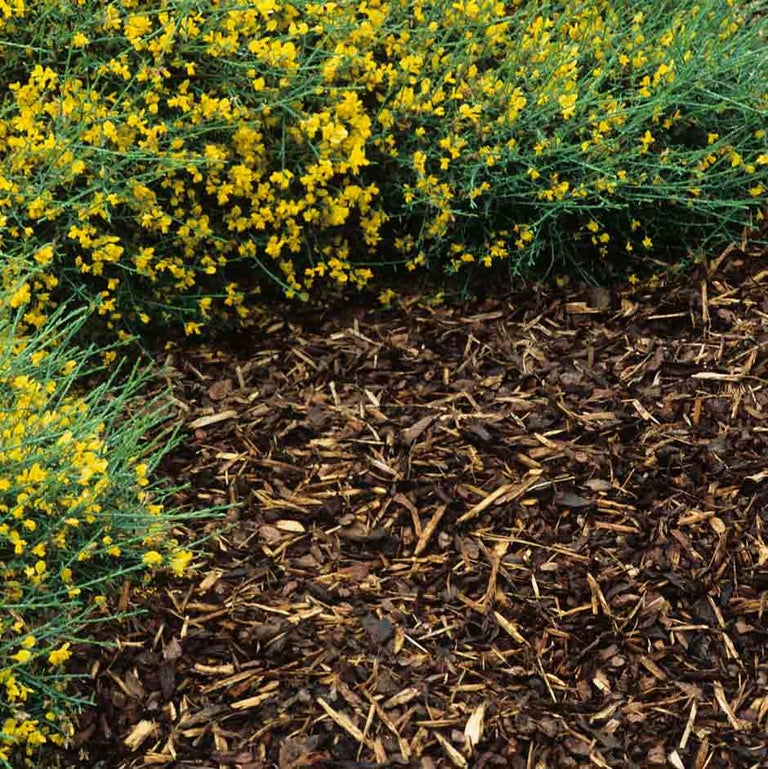
Until the plants have filled out, an organic mulch, preferably homemade compost, can help to improve soil moisture retention and weed suppression. It will also help to improve the water-holding ability of your soil. Mulches should be spread when the soil is already moist to help trap some of that moisture before it dries out in summer.
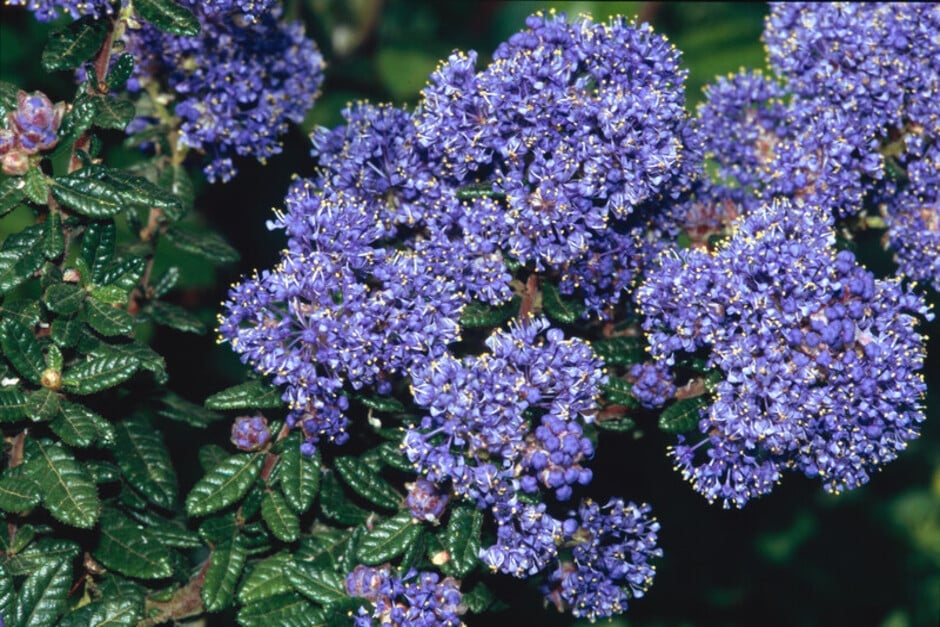
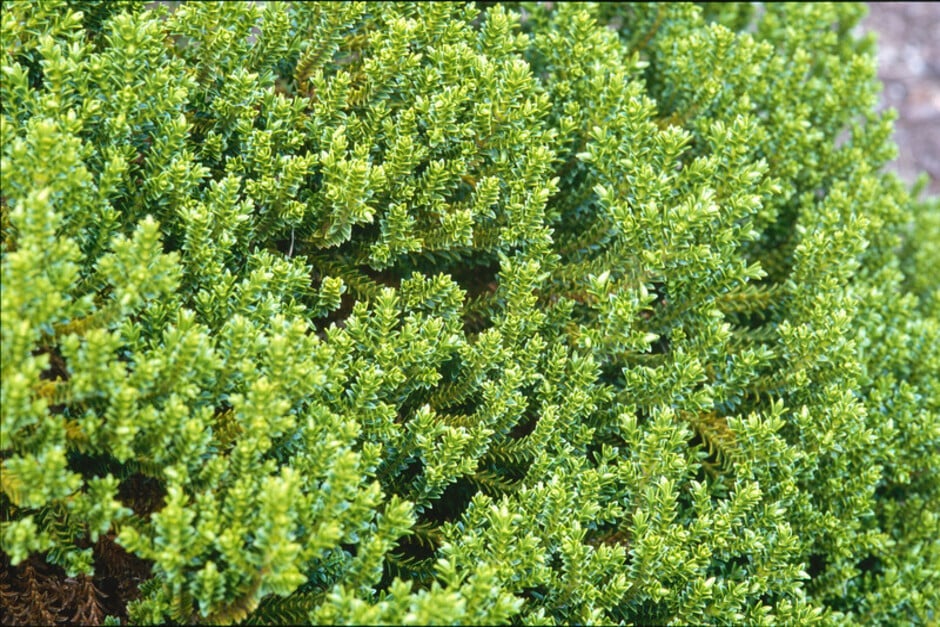
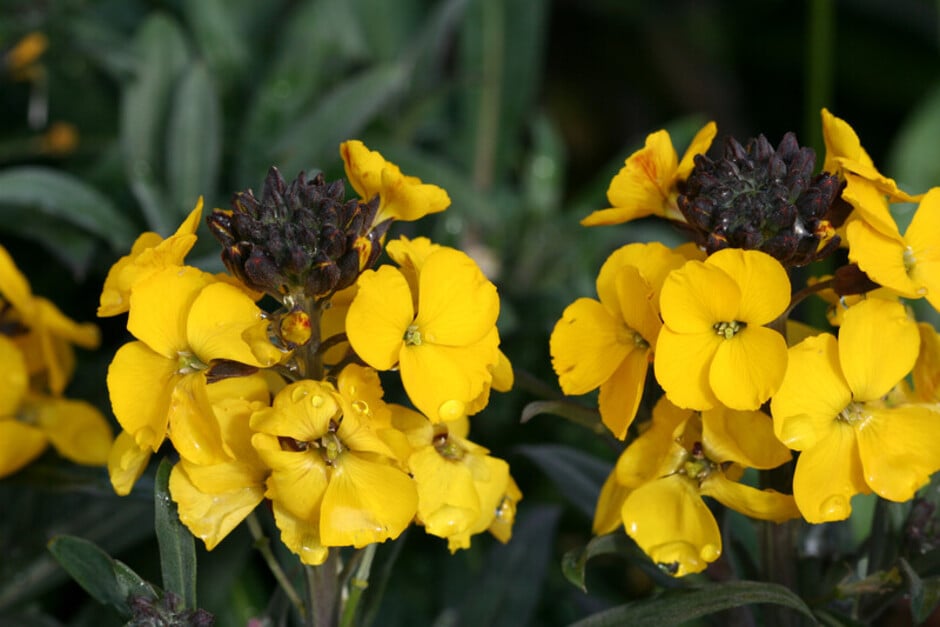
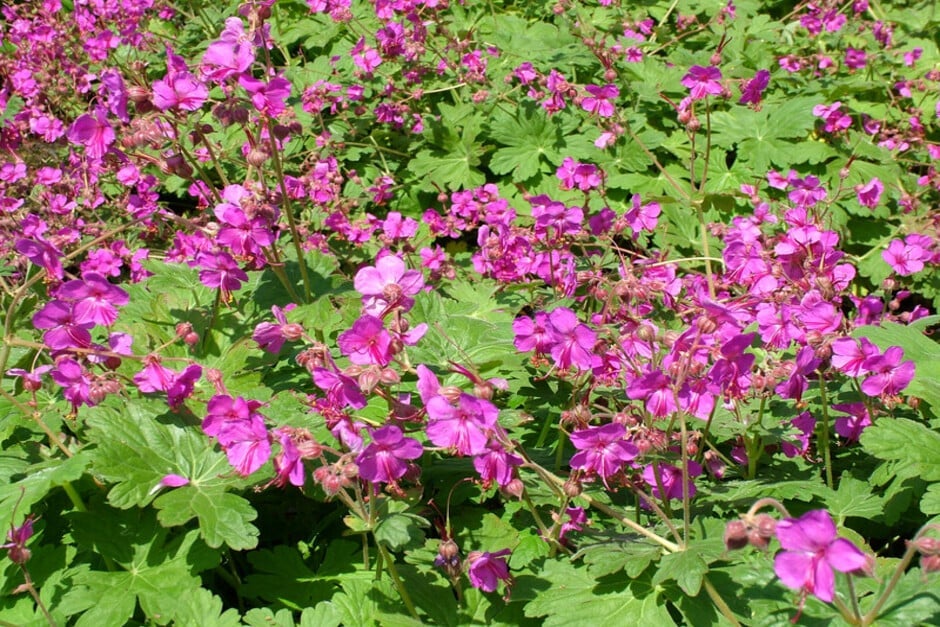
1 – Ceanothus ‘Puget Blue’ is an evergreen shrub with small glossy leaves, which becomes smothered in clusters of deep blue flowers in late spring to early summer.
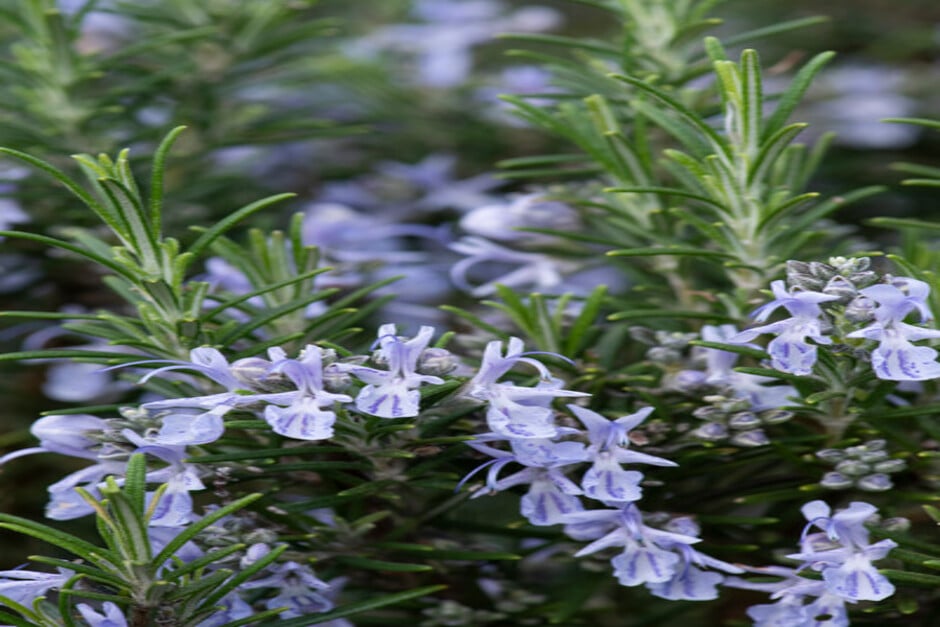
2 – Salvia rosmarinus ‘Miss Jessopp’s Upright’ is an evergreen shrub with aromatic, dark green leaves and small, light blue flowers are in spring and summer.
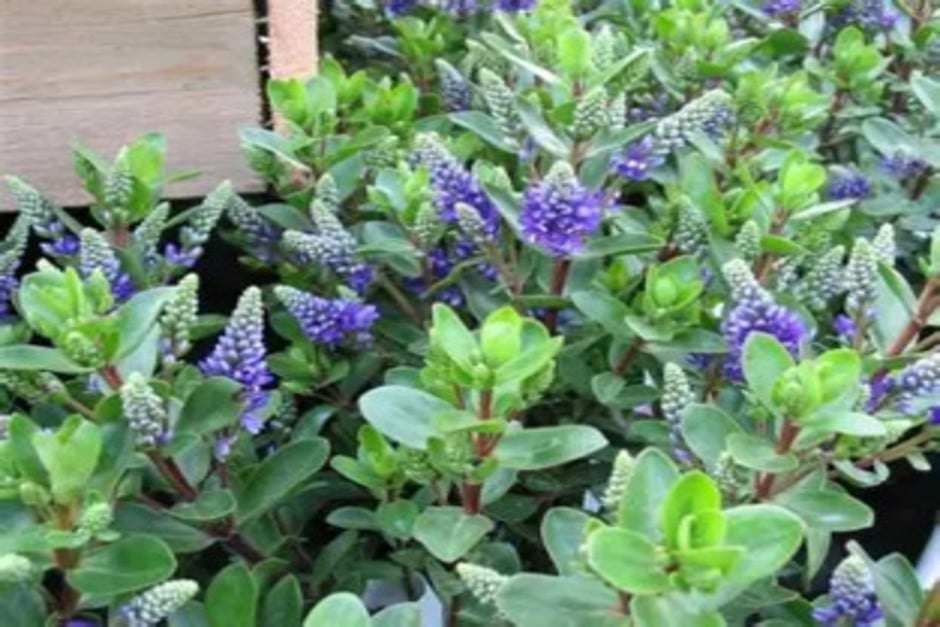
3 – Veronica 'Autumn Glory' is a small evergreen shrub with dark green leaves and purple-blue flowers from mid-summer into early winter.
4 – Veronica ‘Emerald Gem’ is a dwarf evergreen shrub with tiny, bright green leaves and small white flowers in summer.
5 – Erysimum ‘Walberton’s Fragrant Sunshine’ is an evergreen with narrow, dark green leaves and short, upright spikes of fragrant, bright yellow flowers from late-spring to late-summer.
6 – Geranium macrorrhizum ‘Bevan’s Variety’ is a semi-evergreen perennial with aromatic leaves and deep purplish-pink flowers in summer.
7 – Armeria maritima ‘Splendens’ is an evergreen perennial with grass like leaves and bright, deep pink flowers in round clusters in late-spring and summer.
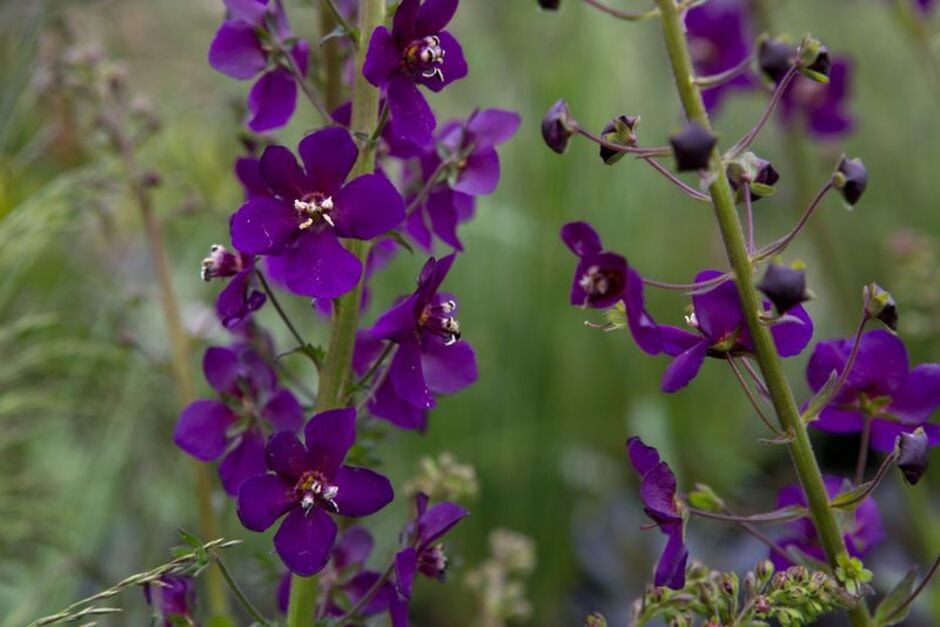
8 – Verbascum phoeniceum 'Violetta' is an evergreen perennial with purple-flushed dark green leaves and delicate spires of rich purple flowers in summer.
Many insects are suffering from a lack of -friendly plants in the countryside to provide and pollen. By offering a good range of pollinator friendly plants in our gardens, we can help these essential creatures to thrive. Increasing is also beneficial for encouraging a healthy garden ecosystem in general.
Choose plants with a variety of different flower types and structures in order to attract a wider range of pollinators across the seasons. A succession of overlapping flowering times ensures there is always something available.
Using scientific evidence, our extensive experience and the records of gardeners and beekeepers, we’ve selected a range of year-round flowering Plants for Pollinators to tackle the decline in pollinator numbers. Visit our Plants for Pollinators page to discover more of the best plants for attracting pollinators.
Low availability of water in the soil can have a seriously detrimental effect on many plants, often leading to poor performance and possible failure of plants establishing.
If your plants have adapted to naturally thrive in these conditions, they will grow much better. By choosing plants which are well-suited to drought conditions, you can keep your border looking good and growing well. If planted in the right place, plants tend to be stronger and more naturally resistant to pests and disease.
Drought-tolerant plants are often deep-rooted, have extensive root systems or show other adaptations to cope with dry conditions. They will need to be watered while they establish these roots, before they can cope with drought.
Using the ethos of ‘right plant, right place’ to create a sustainable planting combination is great for the environment. It helps avoid waste and the use of products and practices needed to try and help ailing plants, such as the application of fertiliser. It also creates robust, long-lived planting that benefits soil health and garden . For more information about sustainable gardening, please see the RHS Sustainability Strategy.
Additionally, this combination will also attract more pollinating insects into the garden, creating better diversity by in turn encouraging birds and other wildlife into the garden.