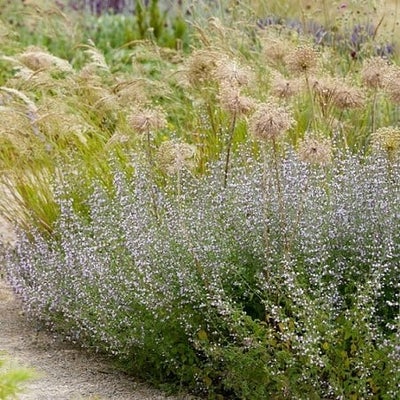
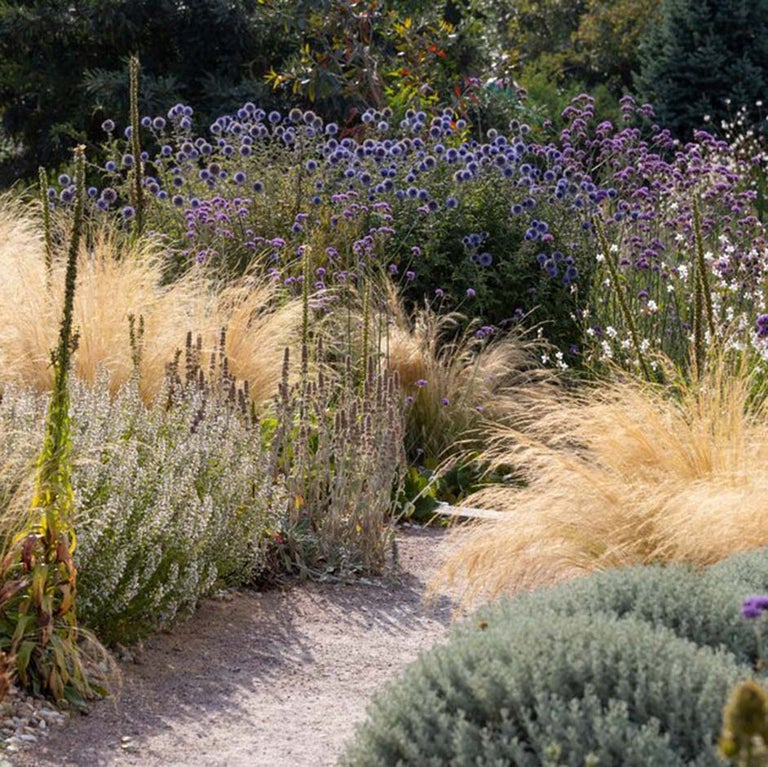
A wide variety of plants thrive in coastal areas, so it’s perfectly possible to create a full and attractive border even in these sometimes challenging conditions
By The RHS Advice Team
Quick facts
Plants in coastal areas need to be able to cope with salt-laden winds
1
They often have adaptations such as waxy leaves or hairy foliage
James Lawrence, RHS Principal Horticultural Advisor, has designed this simple, attractive, and most importantly, sustainable border design for you to try at home with plants that are easy to grow, widely available and look good together.
This planting design provides a range of plants with white and pink flowers that, once established, will thrive in an environment exposed to drying, salty winds and provide a variety of interest throughout the year. A simple planting plan helps to create depth, interest and good coverage in a border.
James Lawrence
Choosing plants for coastal areas
The main function of this scheme is to provide plants that can thrive in coastal conditions, which may include locations where salt spray is carried inland on strong winds.
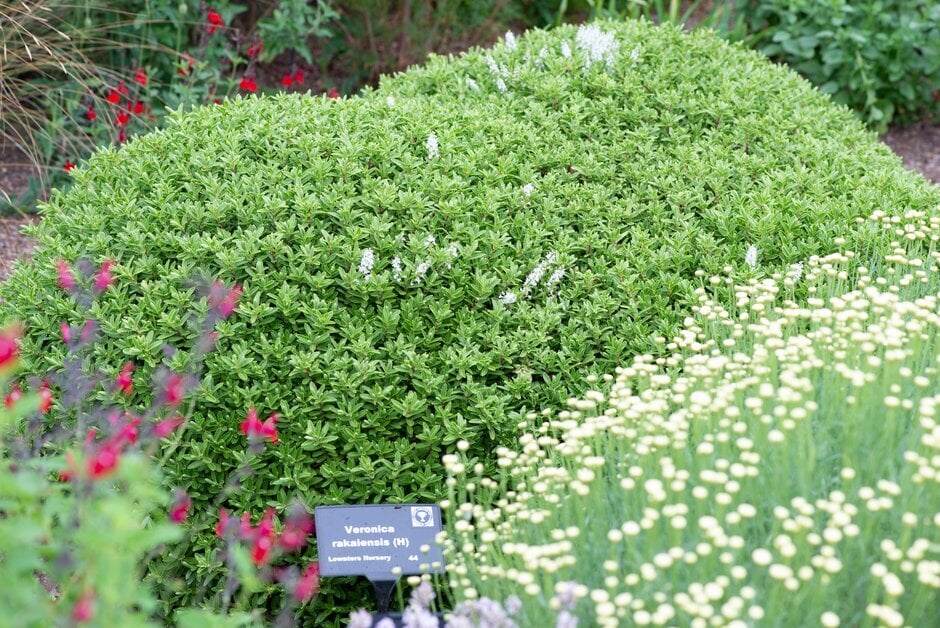
Plants such as Olearia, Escallonia and Veronica have thick waxy foliage to help protect the leaves and reduce stress caused by the weather exposure. Veronica rakaiensis has small leaves, whose reduced surface area minimises moisture loss in windy conditions. The two sedums (Hylotelephium) have fleshy leaves, which store moisture to be used if drier conditions persist.
The Hylotelephium ‘Abendrot' provides ground cover which will help protect and cover bare soil, reducing erosion and the wind’s drying effect on exposed soil. Reducing areas of bare earth will also help to prevent unwanted plants from self-seeding.
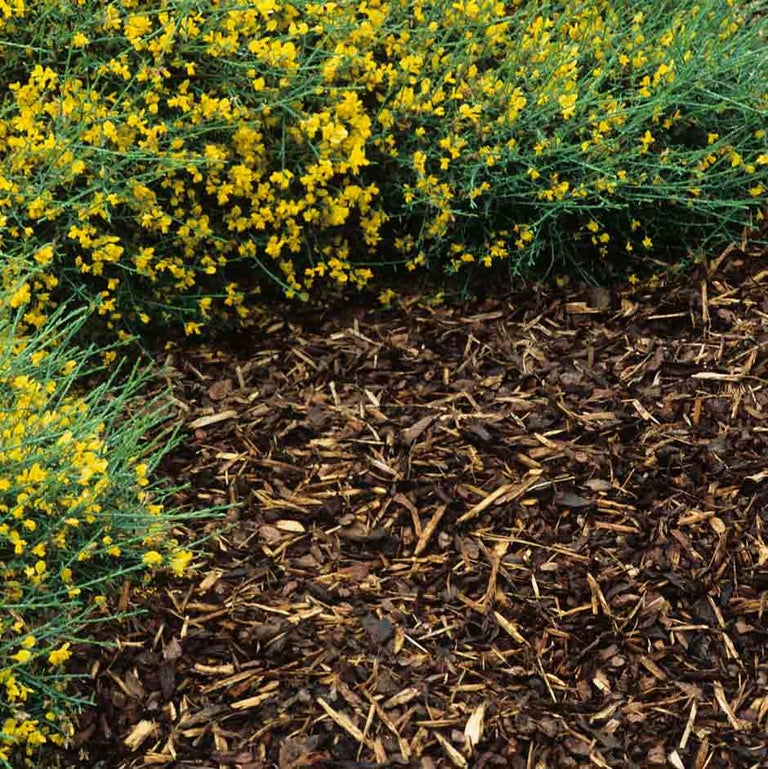
Additional organic mulching , preferably with homemade compost , can further improve soil moisture retention and weed suppression. Mulches should be spread when the soil is already moist, to help trap some of that moisture before it dries out in summer.
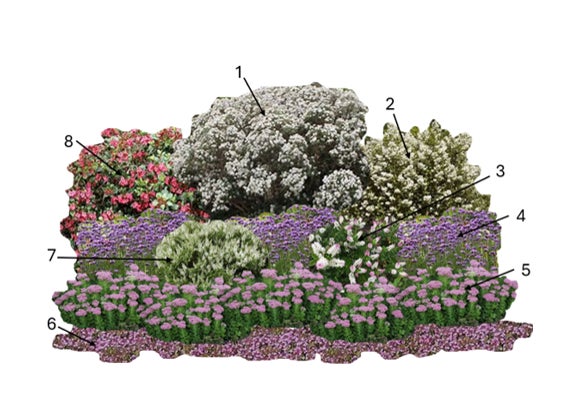
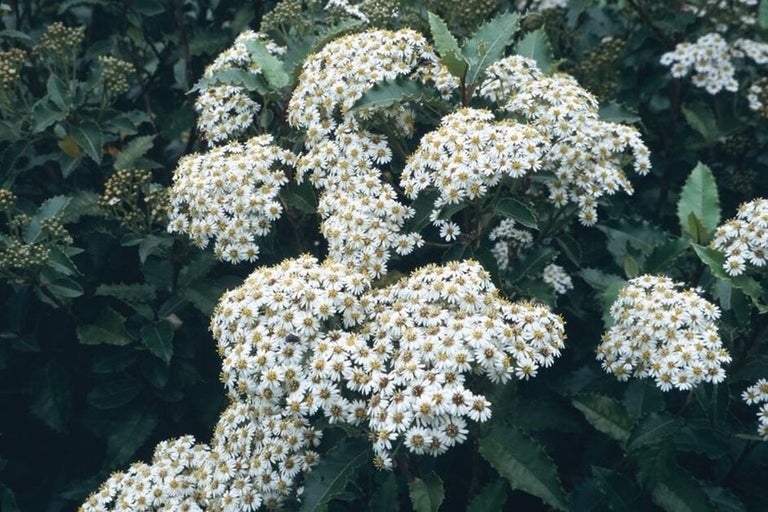
1 - Olearia macrodonta
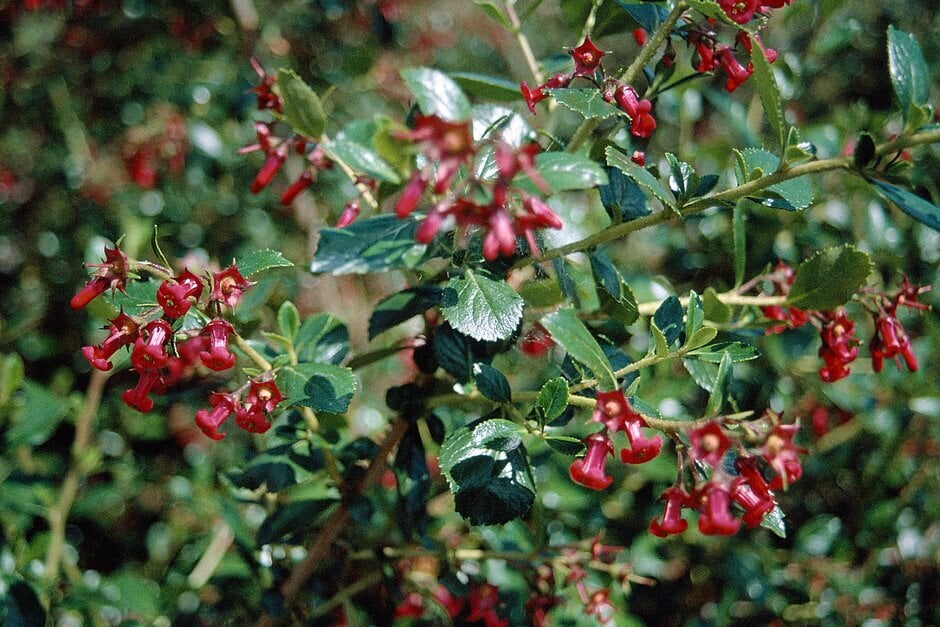
2 - Escallonia 'Iveyi'
3 - Veronica ‘Oratia Beauty’
4 - Verbena bonariensis
5 - Hylotelephium spectabile ‘Brilliant’
6 - Hylotelephium spectabile ‘Abendrot’
7 - Veronica rakaiensis
8 - Escallonia ‘Crimson Spire’
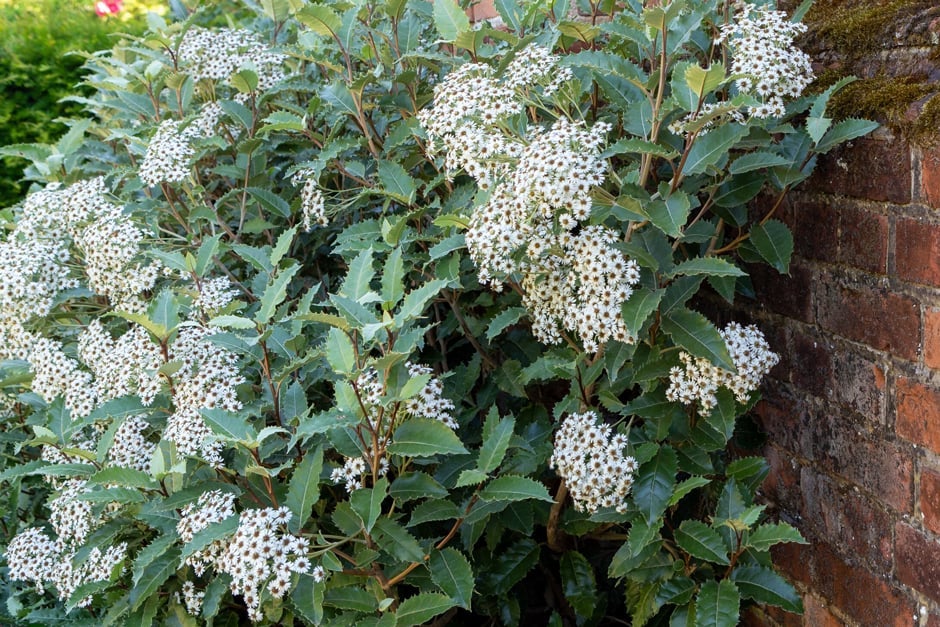
1 - Olearia macrodonta is an evergreen shrub with toothed grey-green leaves that are whitish and felted underneath. In summer, large clusters of small, daisy-like, fragrant white flowers smother the plant.
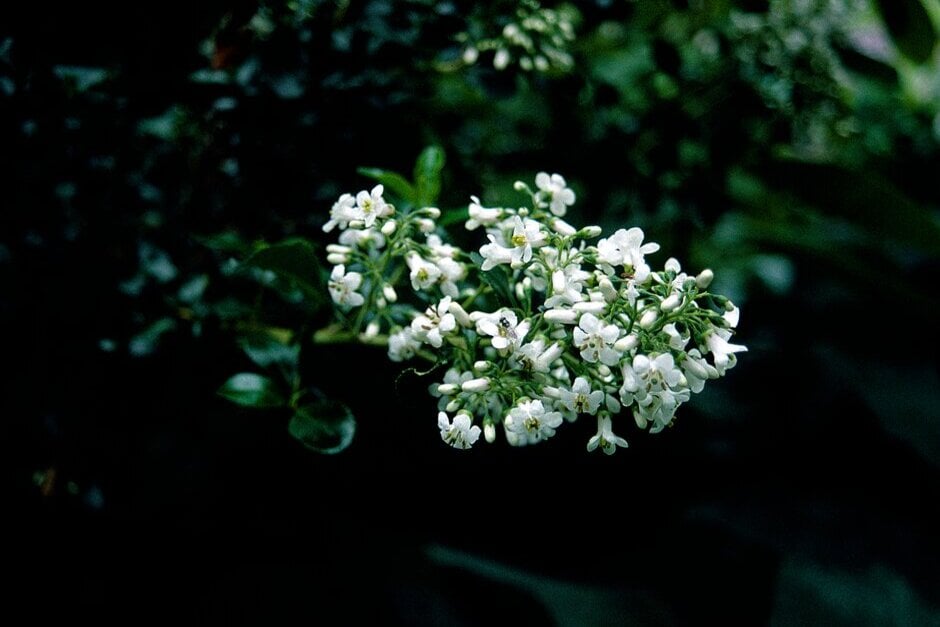
2 - Escallonia 'Iveyi' is a medium-sized evergreen shrub with glossy dark green leaves and fragrant, pure white flowers in mid and late summer.
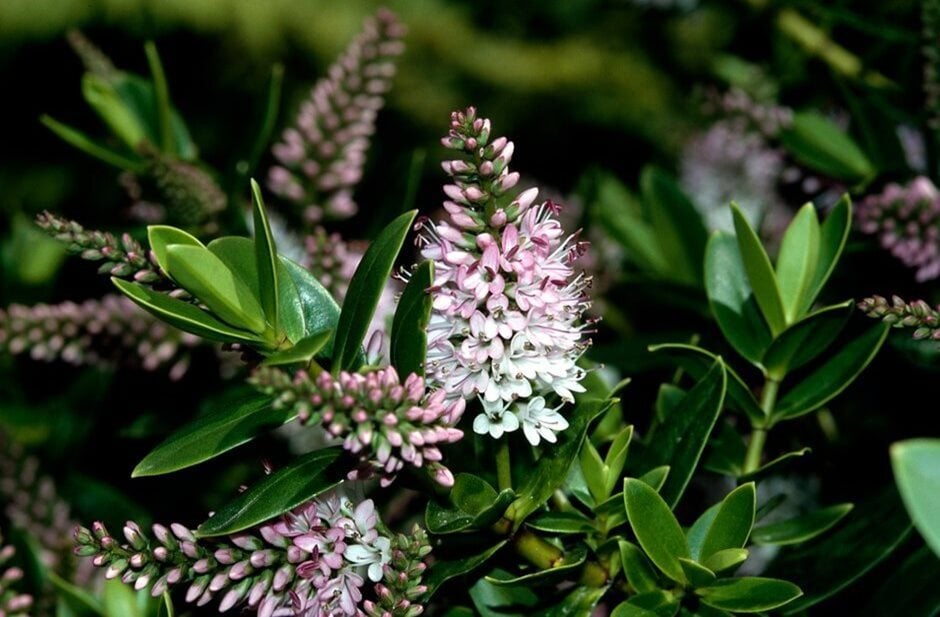
3 - Veronica ‘Oratia Beauty’ is an evergreen shrub with glossy dark green leaves and pink buds that open to white flowers, giving a pretty bicoloured effect.
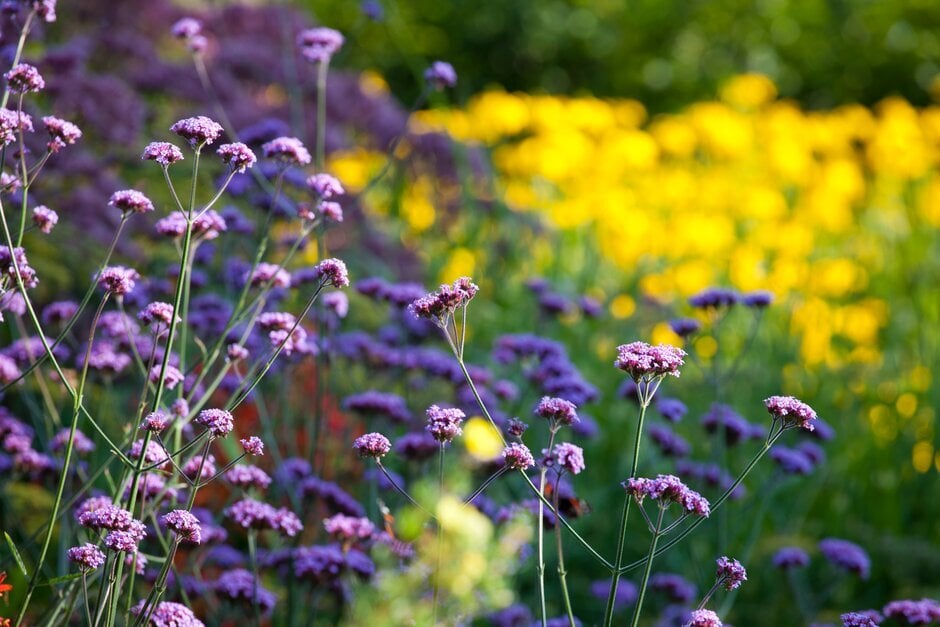
4 - Verbena bonariensis is a tall, upright with toothed leaves and wiry stems bearing branched clusters of small, bright purple flowers from summer into autumn.
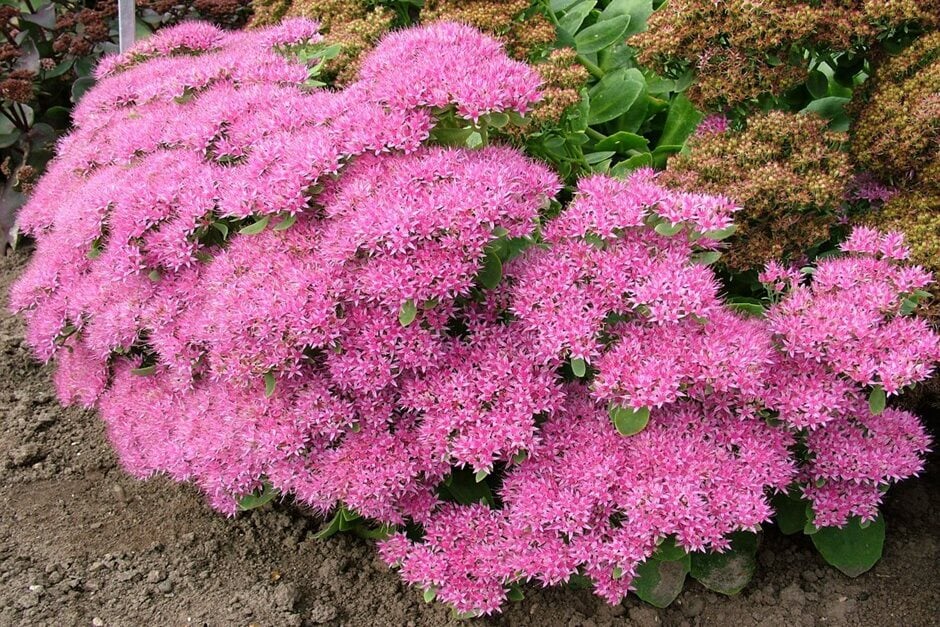
5 - Hylotelephium spectabile ‘Brilliant’ is a succulent herbaceous perennial with thick stems bearing shallowly scalloped, waxy grey-green leaves and flat heads of starry pink flowers in late summer.
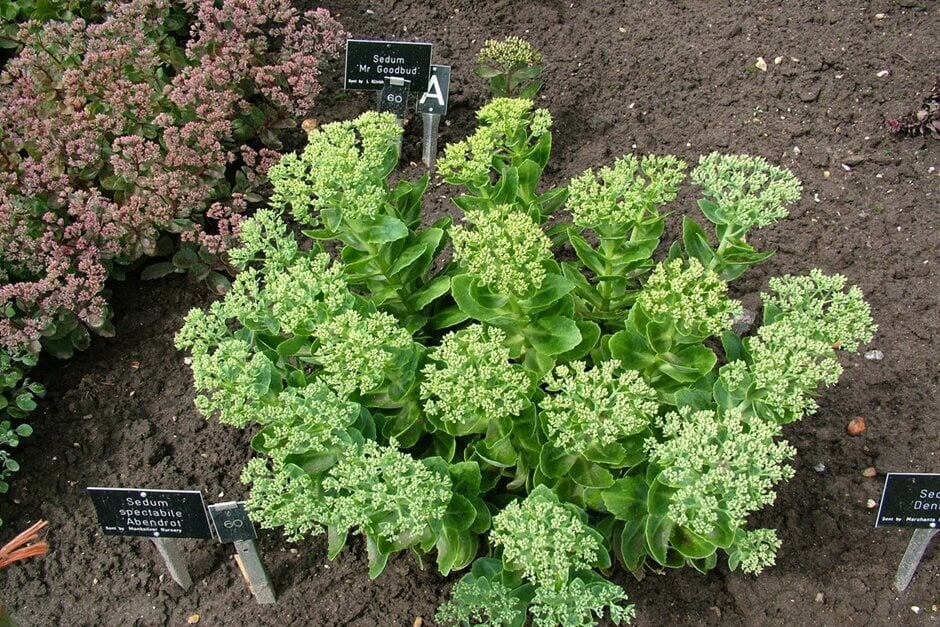
6 - Hylotelephium spectabile ‘Abendrot’ is a succulent herbaceous perennial with heads of small pink and white star-shaped flowers in summer to autumn.
7 - Veronica rakaiensis is an evergreen shrub forming a compact mound of small, bright green leaves and short spikes of white flowers from early summer.
8 - Escallonia ‘Crimson Spire’ is a medium-sized evergreen shrub with glossy dark green leaves and deep crimson flowers in summer and early autumn.
About coastal areas
Coastal gardens can often be more exposed to wind, which can strip moisture from the plants. Salt spray can also be carried on the wind and this can affect many plants that are not resistant. Coastal locations may also often be milder and dryer than some inland locations, so this can also be a factor in choosing plants.
The challenge of coastal areas
Coastal locations can sometimes be challenging, but by choosing plants that are adapted to the wind, salt and often dry conditions of coastal gardens, you can keep your border looking good and growing well. However, the plants will still need watering while they grow new roots and establish themselves.
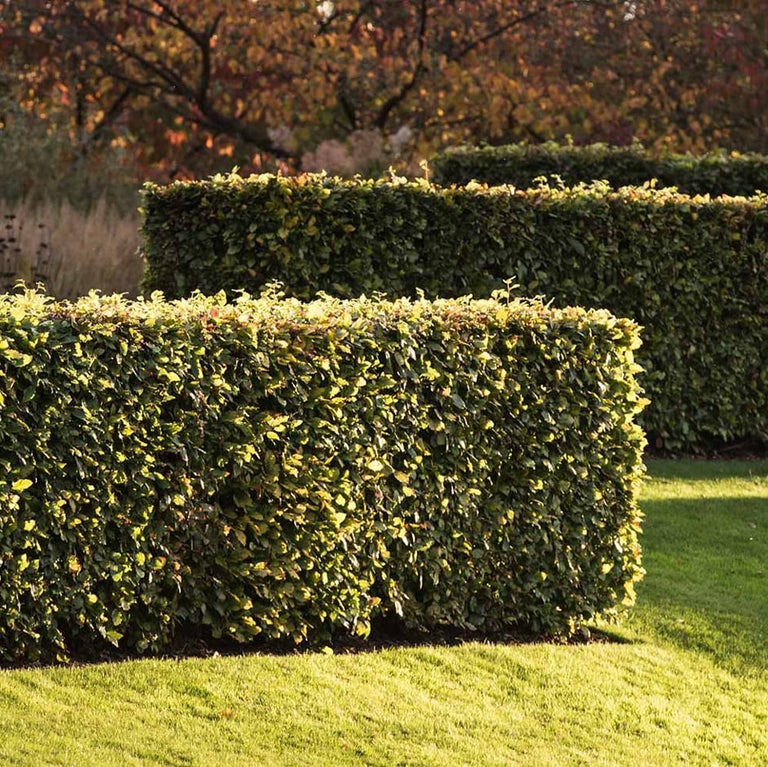
If you have room, it will help to make some shelter from the main wind direction. An extra wind break of shrubs will provide this; you can also use a brushwood screen while they establish. A fence or a sturdy wall may alternatively be an option.
Why choose a sustainable planting combination?
Using the ethos of ‘right plant, right place’ to create a sustainable planting combination is great for the environment. It helps to avoid waste and the use of products and practices needed to try and help ailing plants, such as applying fertiliser. It also creates robust, long-lived planting that benefits soil health and garden . For more information about sustainable gardening, please see the RHS Sustainability Strategy .