Plants for dry shade with splashes of yellow
With careful choice there are plenty of plants that can thrive in dry shade, creating a full and attractive border even in these sometimes challenging conditions
Drought conditions can mean plants struggle to take up moisture
Droughts are more likely to occur with climate change
Plants that have adapted to dry conditions can thrive in these sites
Newly planted plants are particularly vulnerable to drought

James Lawrence, RHS Principal Horticultural Advisor, has designed this simple, attractive, and most importantly, sustainable border design for you to try at home with plants that are easy to grow, widely available and look good together.
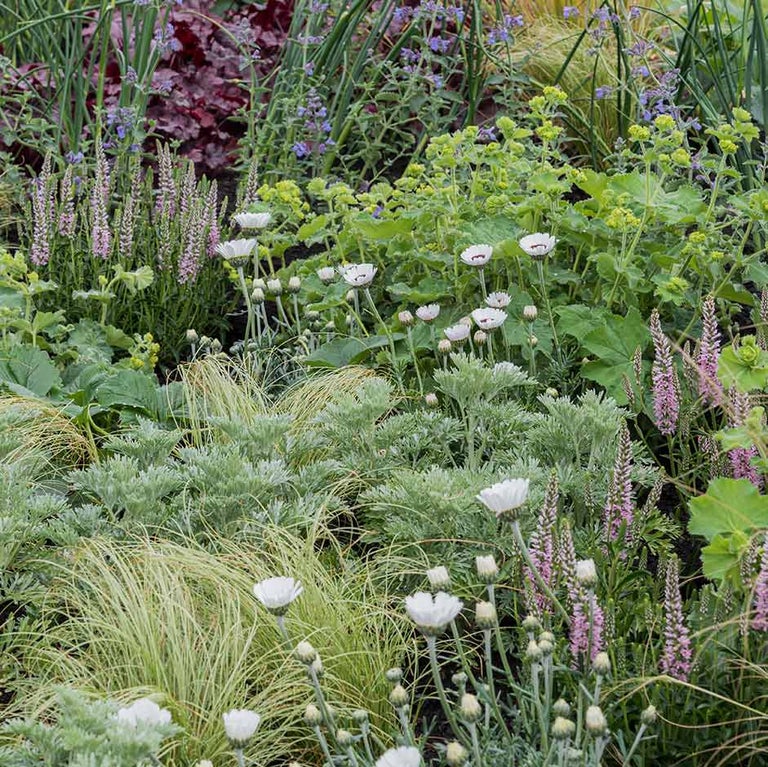
This planting design provides a range of plants in a pink and white theme that, once established, will thrive in an environment that can be low in soil moisture, while still providing a variety of interest throughout the year.
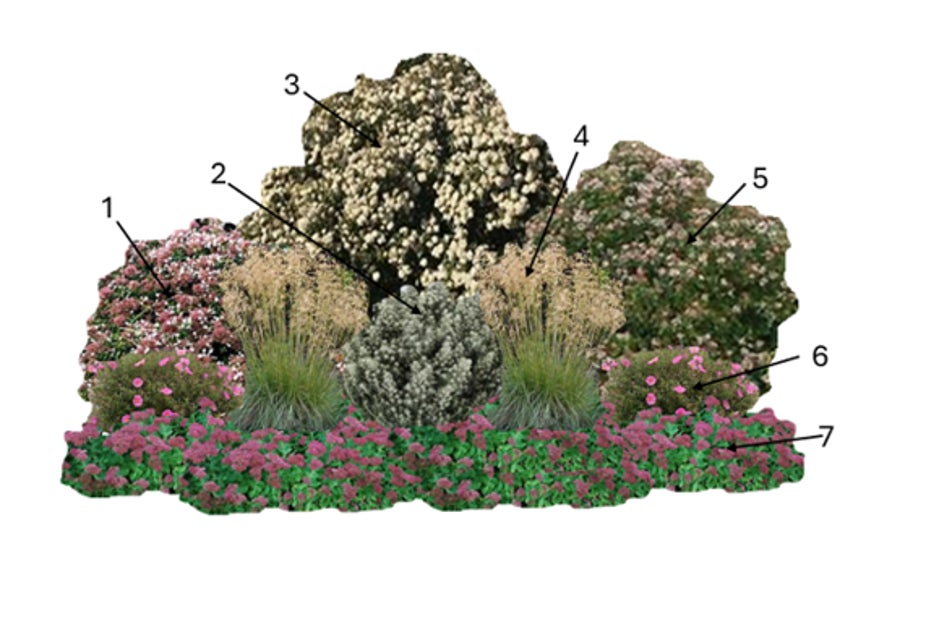
The leathery leaves of the Viburnum, Olearia and Ozothamnus resist drying out well. The fleshy leaves of the Hylotelephium allow the plant to store moisture to help it cope with periods of drought.
The carpeting Nepeta and Hylotelephium will help protect the soil surface from erosion and reduce moisture loss from bare soil. The ground cover plants will also make it harder for unwanted plants to seed into bare patches of soil.
Additional organic mulching, preferably with homemade compost, can improve soil moisture retention and weed suppression. Mulches should be spread when the soil is already moist, to help trap some of that moisture before it dries out in summer.
A simple planting plan helps to create depth, interest and good coverage in a border.
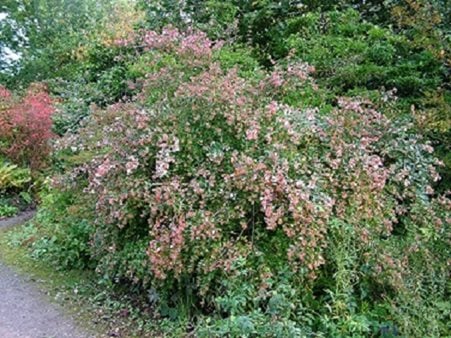
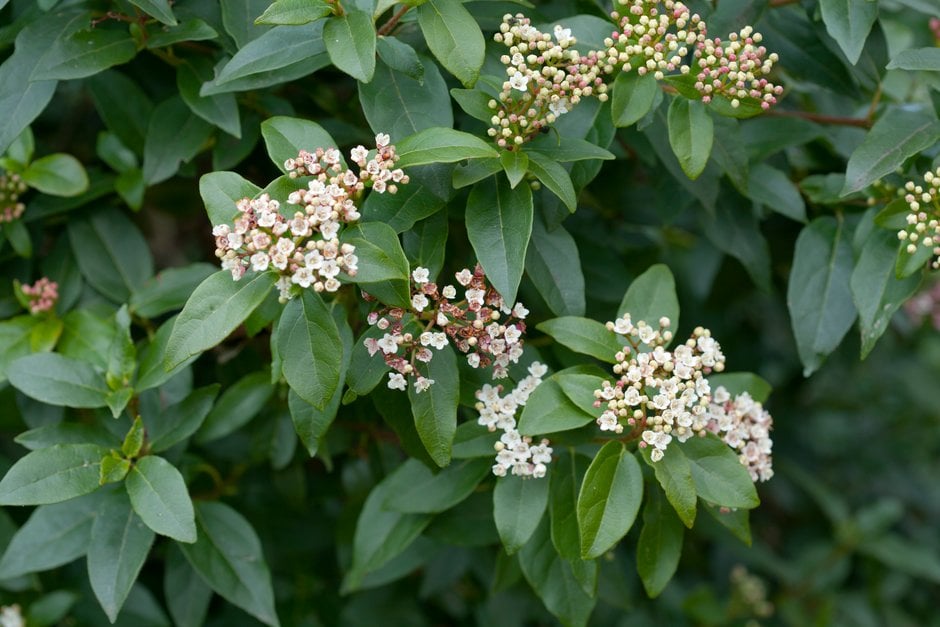
1 - Abelia × grandiflora is a semi-evergreen shrub with glossy leaves and clusters of pale pink, slightly fragrant flowers. These are produced over a very long period from midsummer onwards and have attractive pink calyces that remain long after the flowers finish.
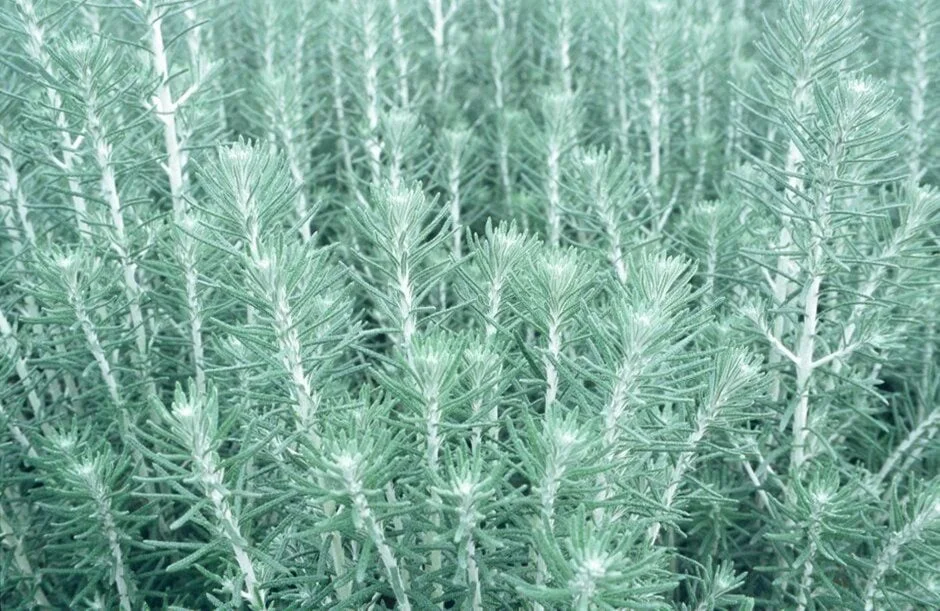
2 - Ozothamnus rosmarinifolius ‘Silver Jubilee’ is an evergreen shrub with rosemary-like, silver-grey leaves and compact clusters of scented white flowerheads opening from red buds in summer.
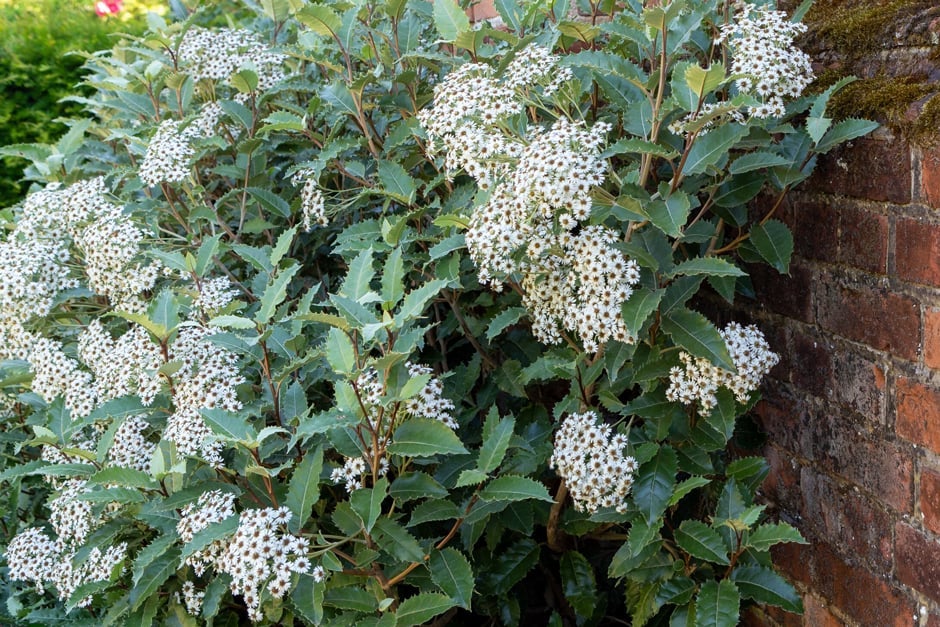
3 - Olearia macrodonta is an evergreen shrub with toothed, grey-green leaves that are white-felted underneath. Large clusters of small, daisy-like, fragrant white flowers are borne in summer.
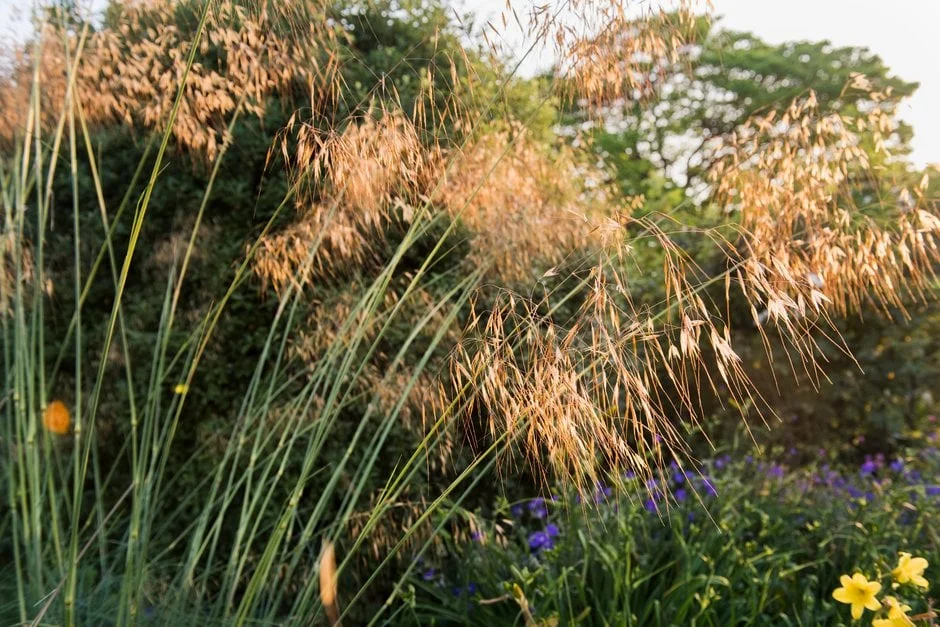
4 - Stipa gigantea is a tufted evergreen grass with arching leaves and tall sprays of oat-like, dusky purple flowers that ripen to gold from late summer into autumn.
5 - Viburnum tinus ‘Gwenllian’ is a bushy evergreen shrub with dark green leaves and compact clusters of starry white flowers that open in late winter from red-pink buds, followed by metallic-blue berries.
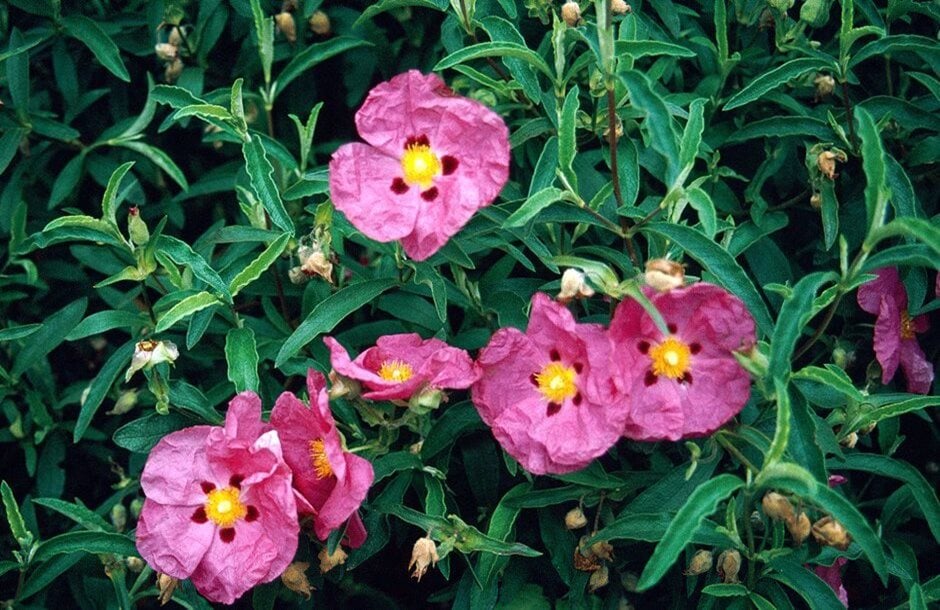
6 - Cistus × purpureus is an evergreen shrub with narrow green leaves. Its pretty summer flowers are rose-pink with deep red blotches at the base of each petal, surrounding bright golden yellow stamens at the centre.
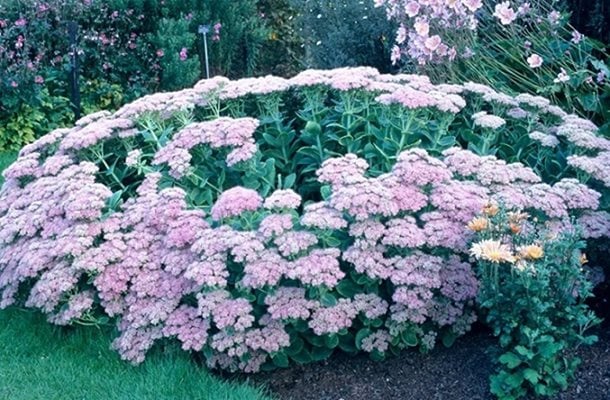
7 - Hylotelephium spectabile ‘Brilliant’ is a herbaceous with succulent, grey-green leaves on thick stems. Flattened heads of small, star-shaped pink flowers, which are loved by pollinators, are borne from late summer into autumn.
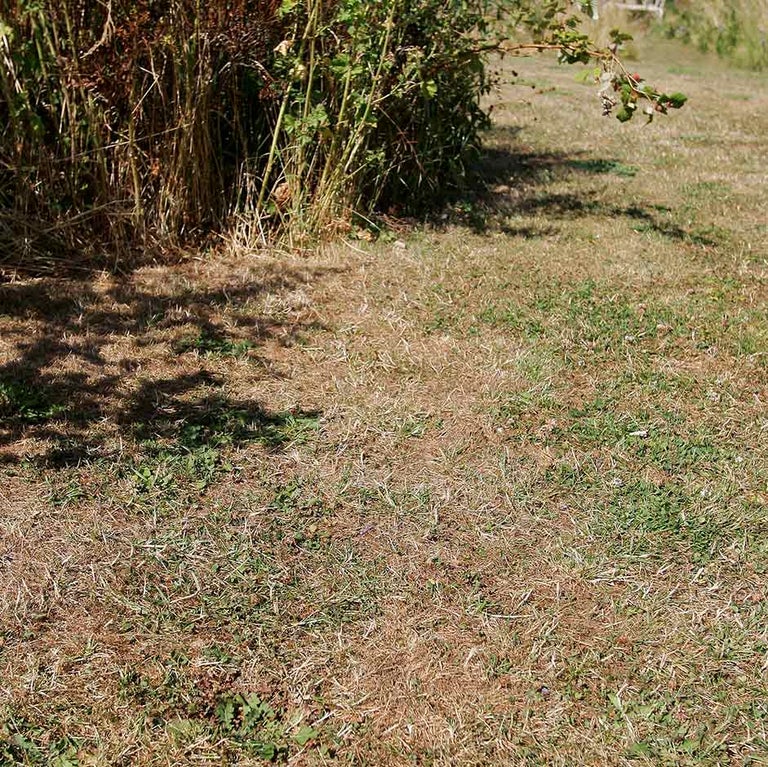
Drought prone areas in gardens can be caused by a number of factors, including a lack of rainfall locally, hard landscaping and drainage causing excessive runoff, over-exposure to the sun, and a lack of organic matter in the soil structure.
By choosing plants that are adapted to drought conditions, you can keep your border looking good, growing well, and once the plants are established, this will reduce the need for additional resources such as watering. Plants will need watering whilst they are getting established for the first year or two. These plants are drought tolerant but not drought proof, so they will thrive in periods of drought but not for an extended length of time.
A simple planting plan helps create depth, interest and good coverage in a border.
Sun and wind can increase the rate of moisture loss from soil and from plants, so plants grown in drought prone areas are prone to drying out if they are not adapted to the conditions. Choosing plants that are already adapted to drought conditions can help to mitigate this effect.
If you have the space, creating some shade to reduce evaporation from direct sunlight, and/or adding a windbreak to reduce the effect of wind may help.
Using the ethos of ‘right plant, right place’ to create a sustainable planting combination is great for the environment. It helps avoid waste and the use of products and practices needed to try and help ailing plants, such as the application of fertiliser. It also creates robust, long-lived planting that benefits soil health and garden . For more information about sustainable gardening, please see the RHS Sustainability Strategy.