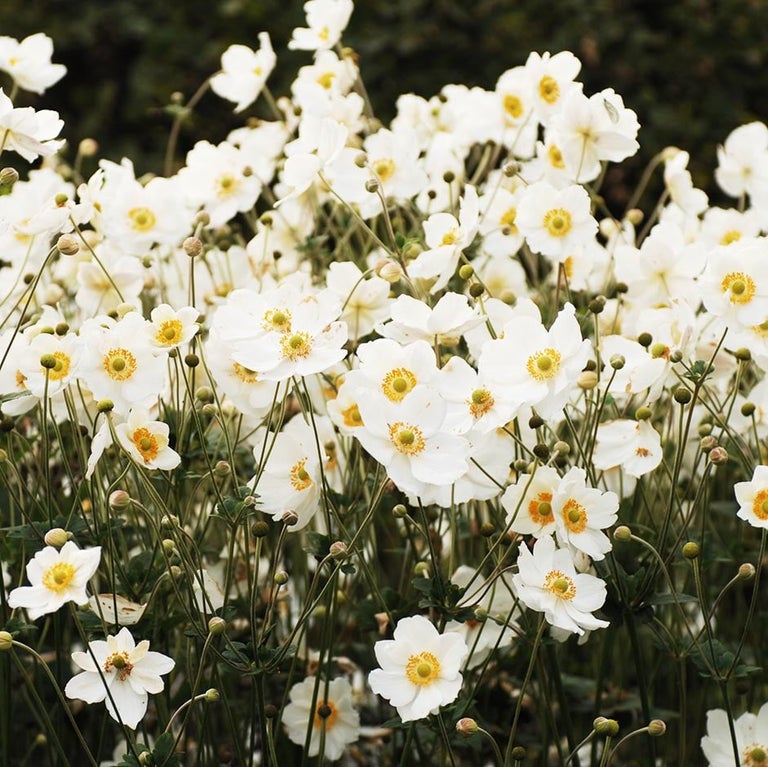
Plants for dry shade with blooms & berries
With some careful choices, there are plenty of plants that can thrive in dry shade, creating a full and attractive border even in these sometimes challenging conditions
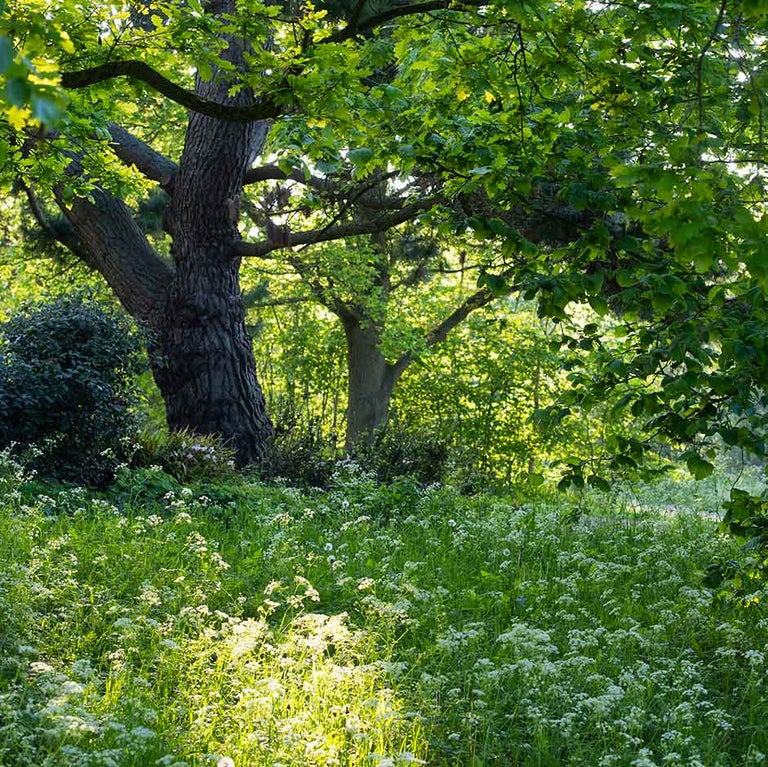
Dry shade can be caused by large trees and shrubs or by buildings or fences
Choosing plants that tolerate dry shade will result in healthier plants
Choosing the right plants reduces the need for extra watering once established

James Lawrence, RHS Principal Horticultural Advisor, has designed this simple, attractive, and most importantly, sustainable border design for you to try at home with plants that are easy to grow, widely available and look good together.
This planting design with fiery tints provides a range of plants that, once established, will thrive in dry shade while still providing varied interest throughout the year.
The waxy or slightly hairy surface on many of the leaves helps reduce moisture loss through heat or wind stripping.
The Epimedium, Geranium and Cotoneaster also help provide some ground cover and prevent erosion of bare soil. The ground cover can also help to reduce soil surface moisture evaporation and will help to supress weed growth.
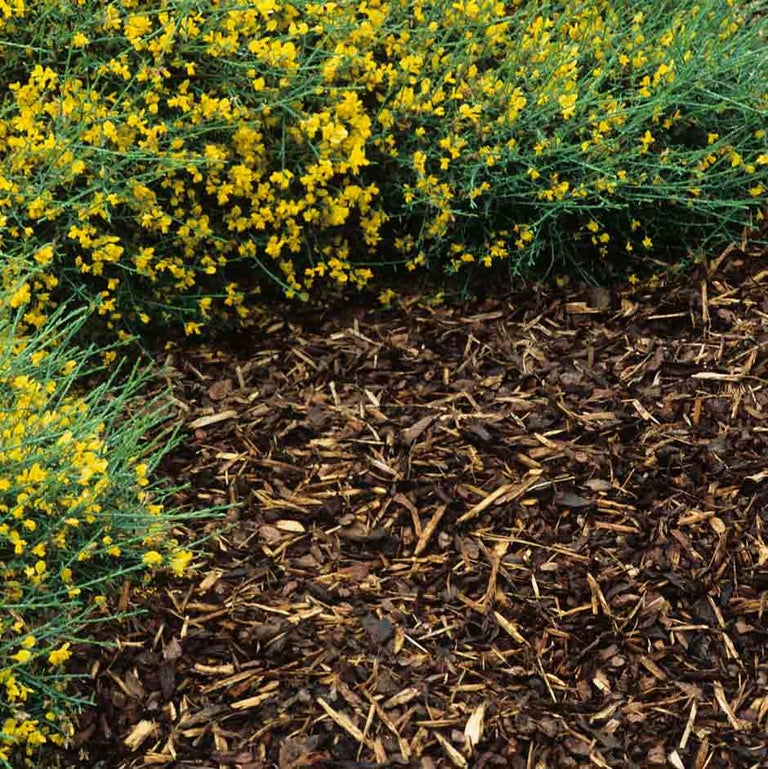
Additional organic mulching with homemade compost will assist with soil moisture retention and weed suppression.
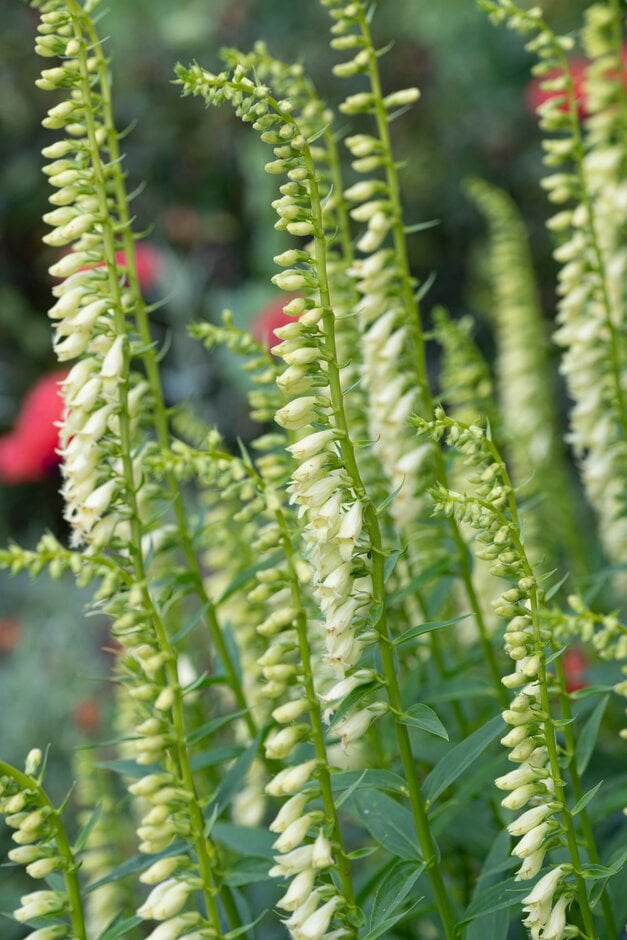
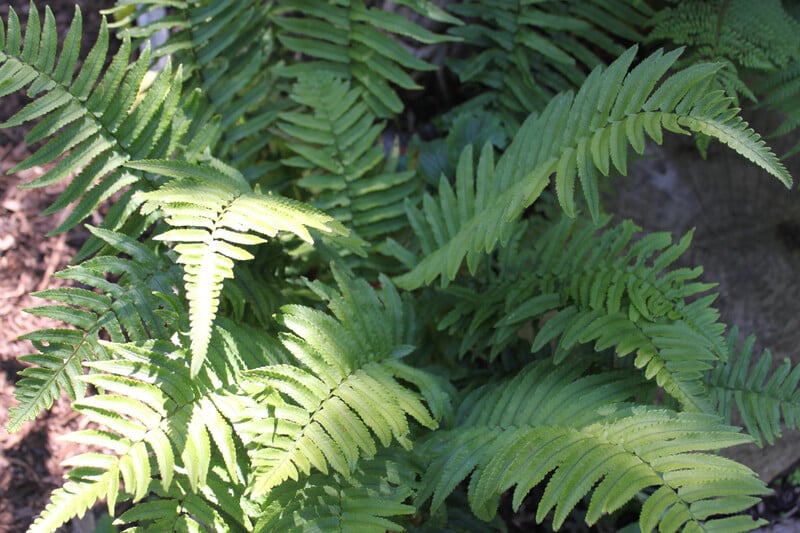
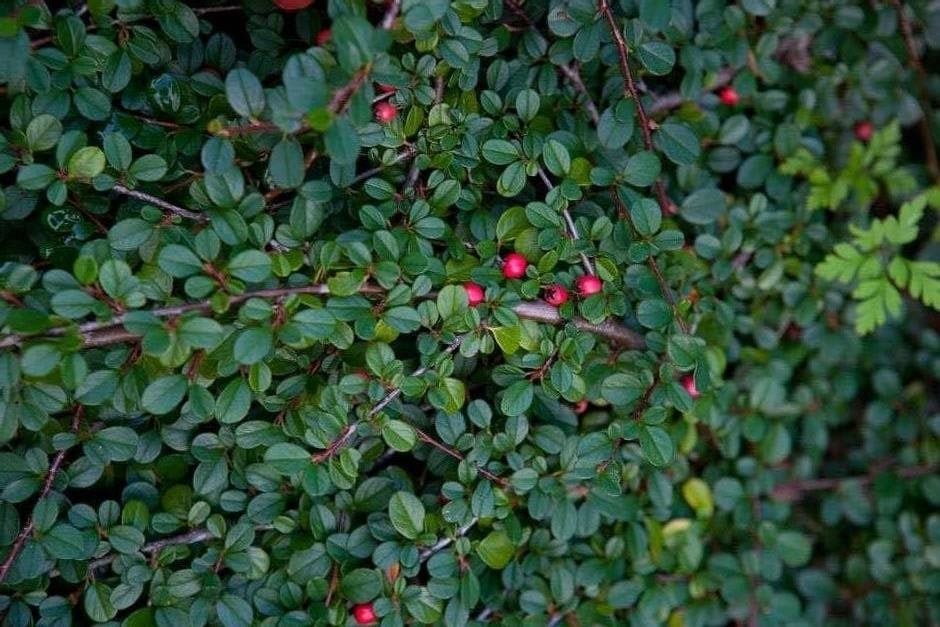
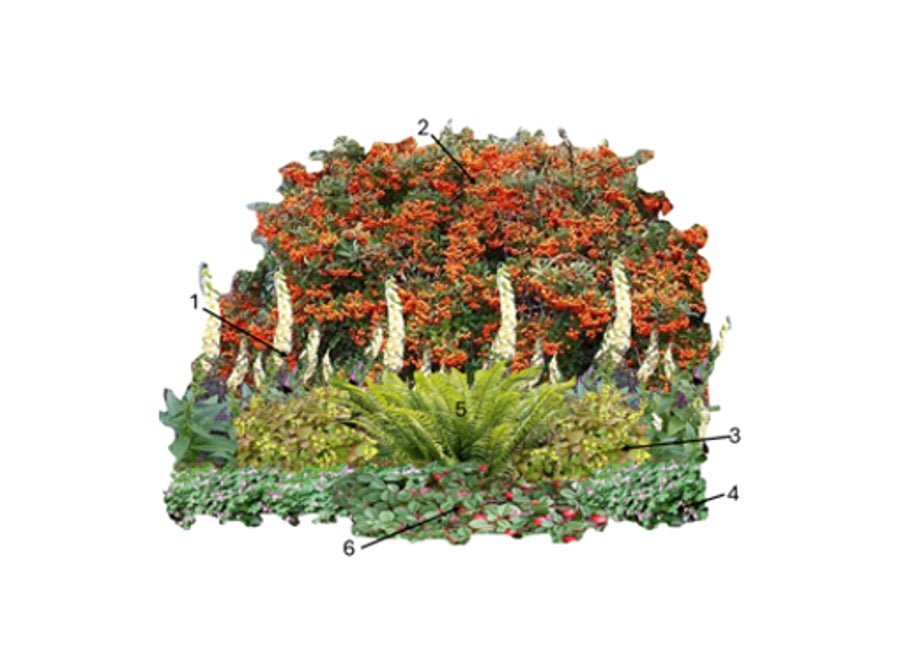
1 – Digitalis lutea is a herbaceous with spires of soft yellow, trumpet-shaped flowers in early to mid summer, rising from a rosette of green leaves at the base.
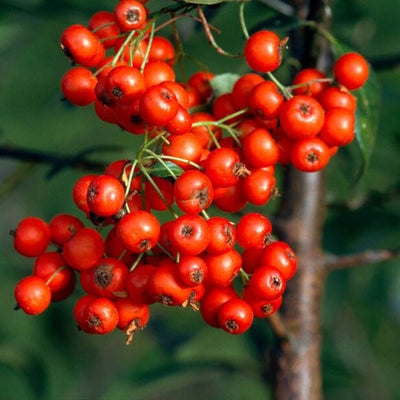
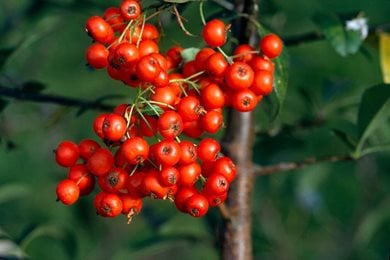
2 – Pyracantha ‘Orange Glow’ is an evergreen shrub with glossy dark green leaves. Clusters of small white flowers in early summer are followed by long-lasting, bright orange berries.
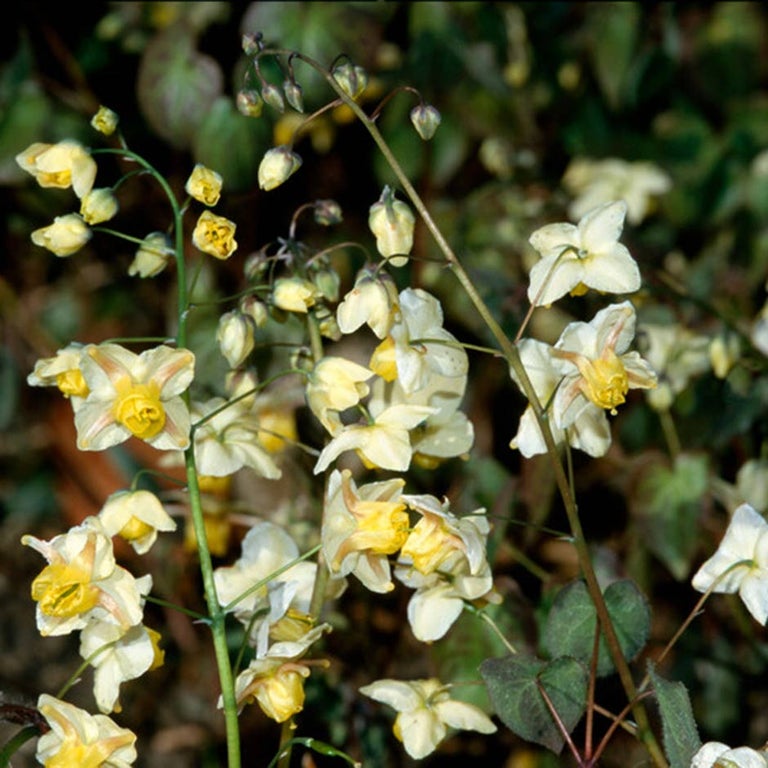
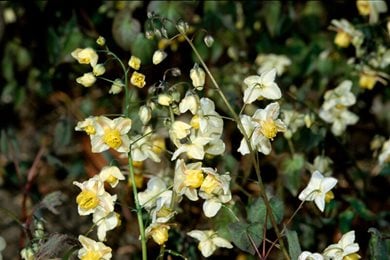
3 – Epimedium × versicolor ‘Sulphureum’ is a low-growing evergreen with red-tinted, light green leaves. Primrose-yellow flowers are carried in open sprays in late spring.
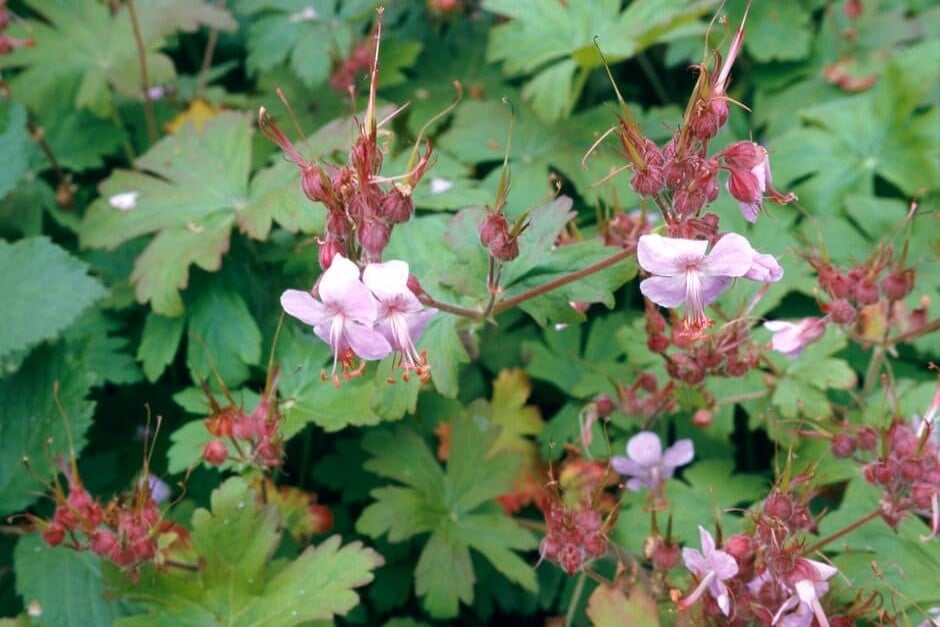
4 – Geranium macrorrhizum ‘Ingwersen's Variety’ is a semi-evergreen with aromatic, deeply lobed leaves and pale pink flowers with contrasting deep pink centres, in early summer.
5 – Dryopteris cycadina atrata is a semi-evergreen fern producing a clump of slightly arched, bright green fronds, composed of many narrow, slightly overlapping leaflets.
6 – Cotoneaster procumbens ‘Queen of Carpets’ is a low-growing evergreen shrub with small glossy green leaves and pink-tinged white flowers in summer, followed by red fruits.
Dry shade can be common under mature trees or shrubs or near buildings or walls that act as rain shadows. By choosing plants that are adapted to dry shade you can keep your border looking good and growing well, and once established, they will reduce the need for unnecessary watering. A simple planting plan helps create depth, interest and good coverage in a border.
Low levels of moisture and light make it hard for plants to grow and develop, unless those plants have adapted to naturally grow in those conditions. Plants not adapted to dry shade can be stunted, lacking in flower or fruit and more prone to failure. Even plants that naturally prefer dry shade may need careful monitoring and watering during their first spring and summer in order for them to establish well.
Using the ethos of ‘right plant, right place’ to create a sustainable planting combination is great for the environment. It helps avoid waste and the use of products and practices needed to try and help ailing plants, such as the application of fertiliser. It also creates robust, long-lived planting that benefits soil health and garden . For more information about sustainable gardening, please see the RHS Sustainability Strategy.