Plants for clay soils with white and blue flowers
Plenty of plants, of a variety of shapes, sizes and colours, thrive in clay soil, so it’s perfectly possible to create a full and attractive border even in these sometimes challenging conditions
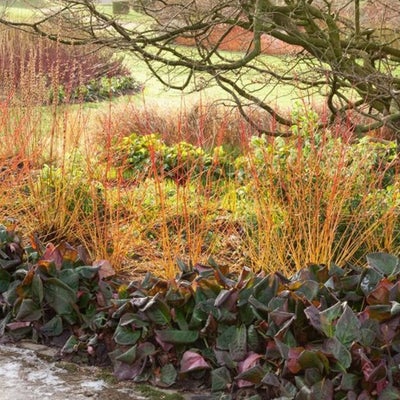
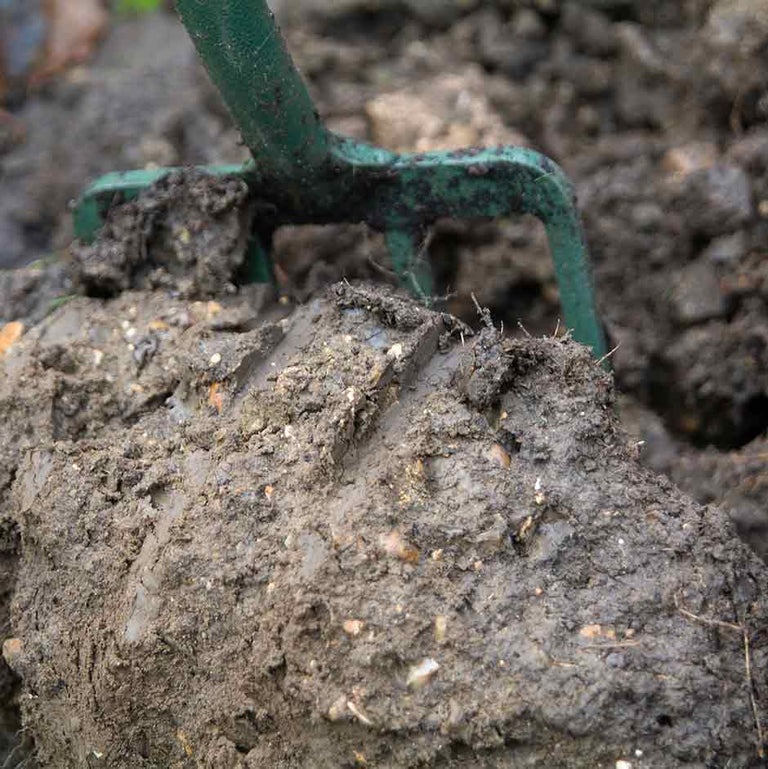
Clay soils can be sticky and heavy in winter, but hard in summer
A year-on-year addition of garden compost will gradually make things easier
Clay may seem very dry to us, but holds a lot of water for plant roots
Clay is slow to warm in spring, but also stays warm for longer in autumn

James Lawrence, RHS Principal Horticultural Advisor, has designed this simple, attractive, and most importantly, sustainable border design for you to try at home with plants that are easy to grow, widely available and look good together.
This planting design provides a range of plants that, once established, will thrive in clay soil and provide a variety of interest throughout the year. A simple planting plan helps to create depth, interest and good coverage in a border.
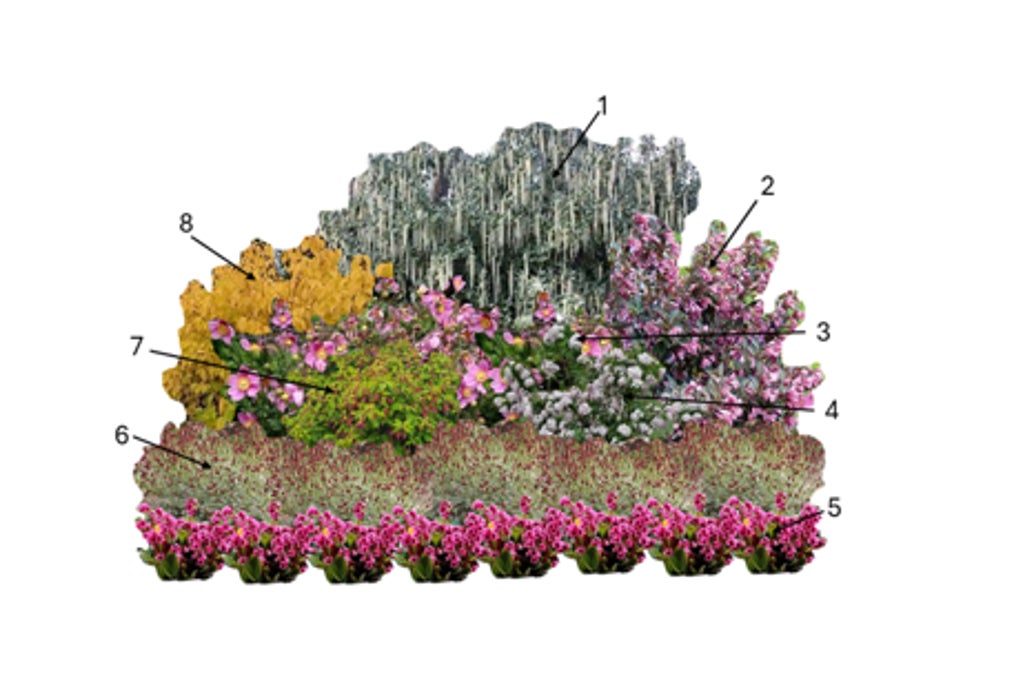
These plants have been selected because their preferred growing condition is clay soil. By using plants that are naturally adapted to clay, we can reduce the potential problems that are more likely with plants that are less well suited.
The Bergenia and Sanguisorba provide some groundcover and will help prevent erosion of bare soil. The ground cover can also help to reduce soil surface moisture evaporation and suppress weed growth in summer.
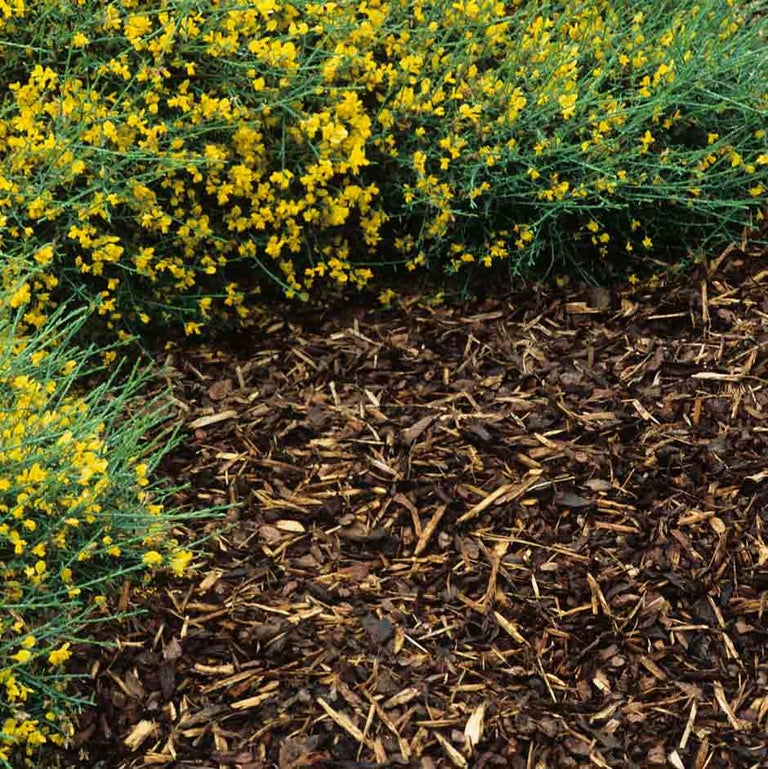
Until the plants have filled out, an organic mulch, preferably homemade compost, can help to lock in soil moisture and suppress weeds. Mulches should be spread when the soil is already moist to help trap some of that moisture before it dries out in summer.
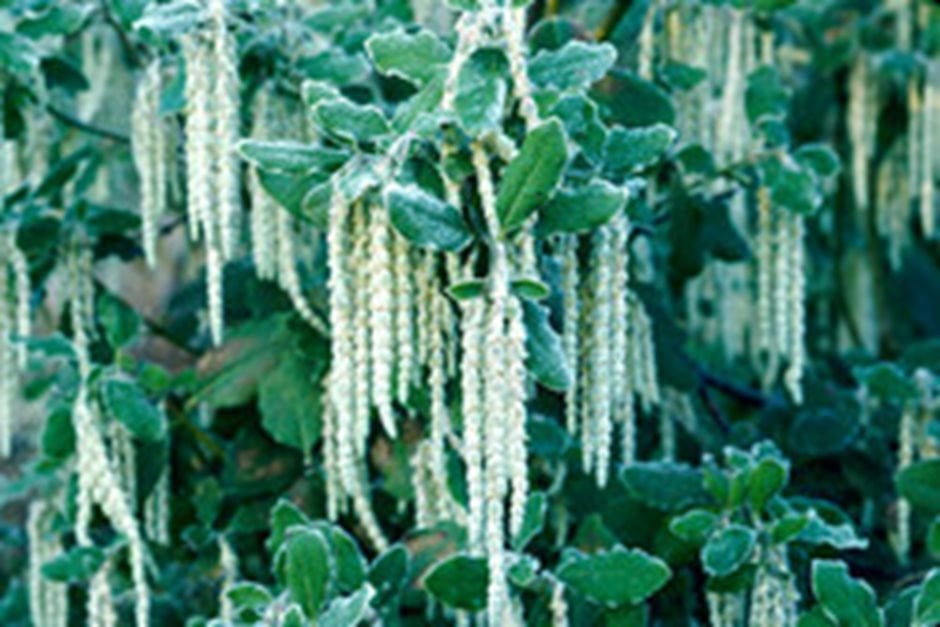
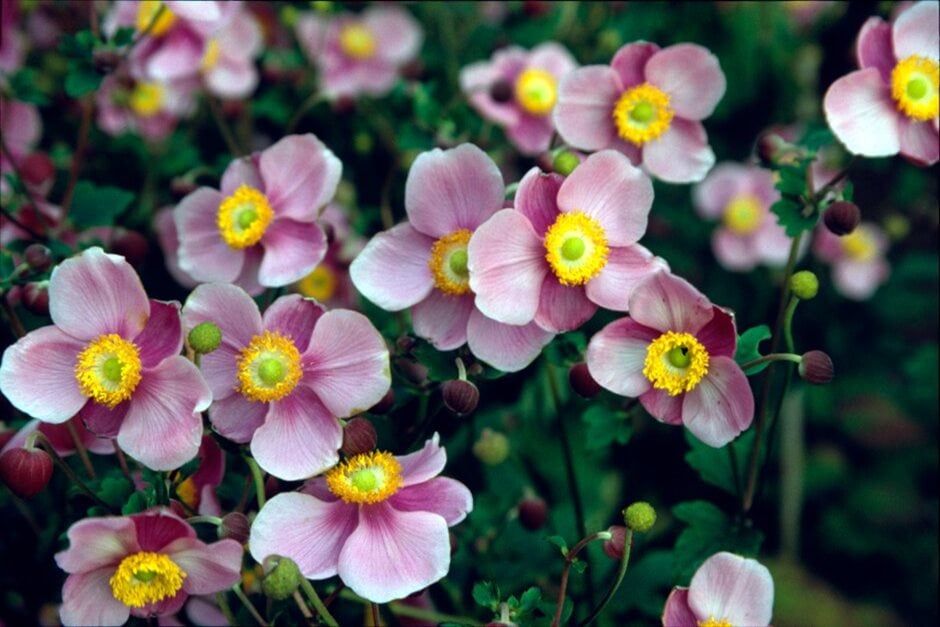
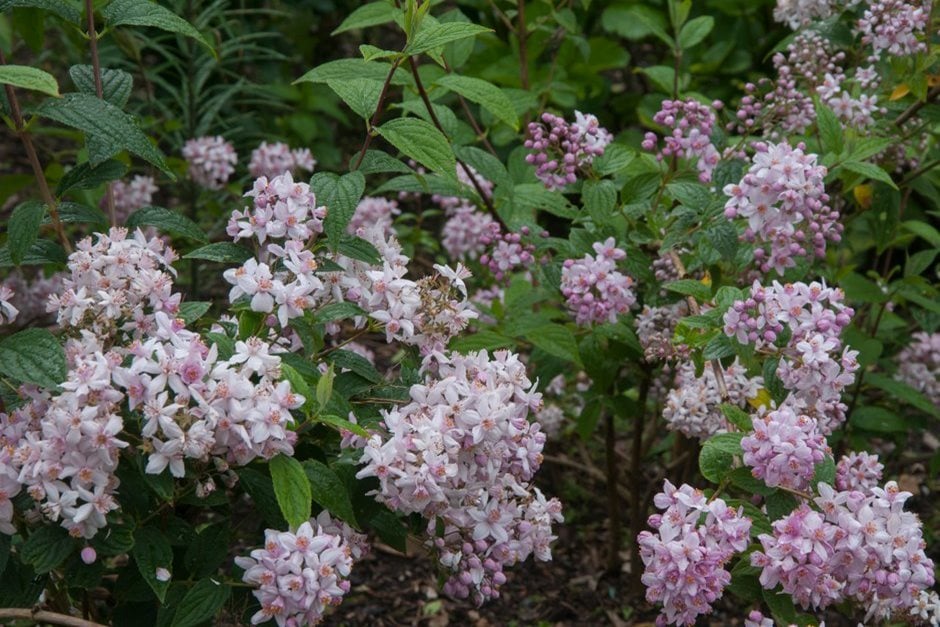
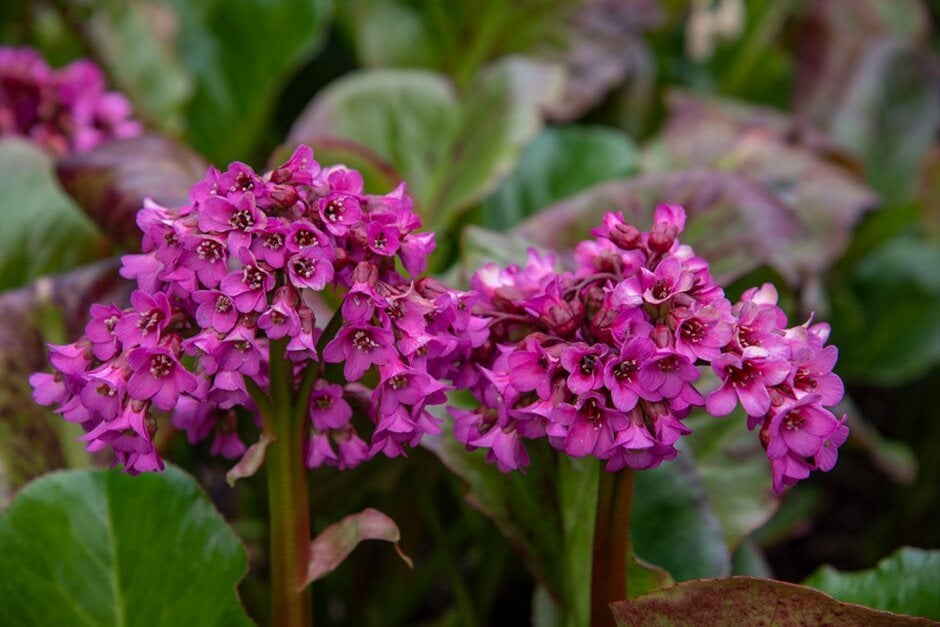
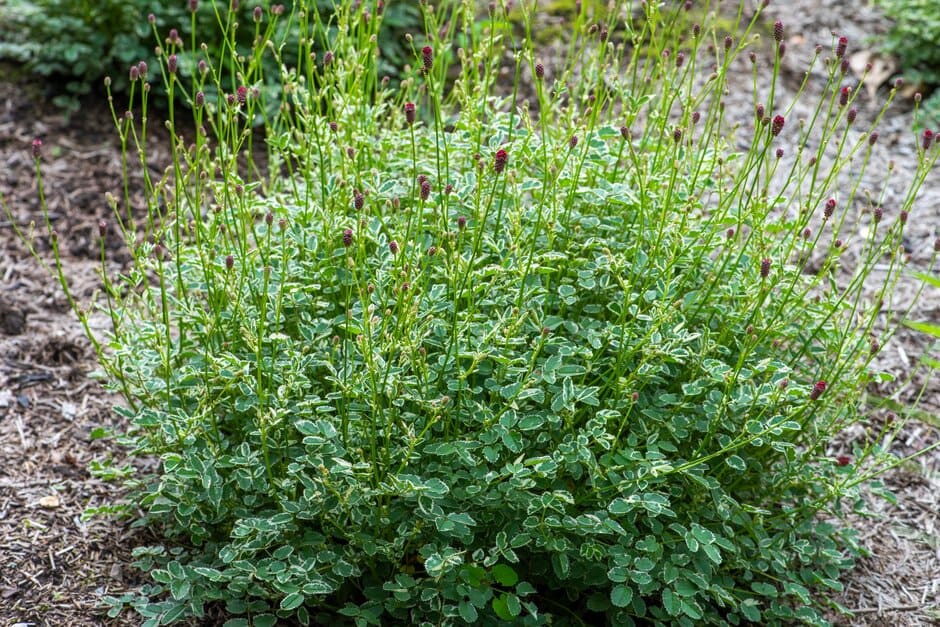
1 - Garrya elliptica ‘James Roof’ is an evergreen shrub with leathery leaves and long silver-green catkins. Once established,it can be pruned to clear the lower stems creating room for spring or shade loving groundcover plants.
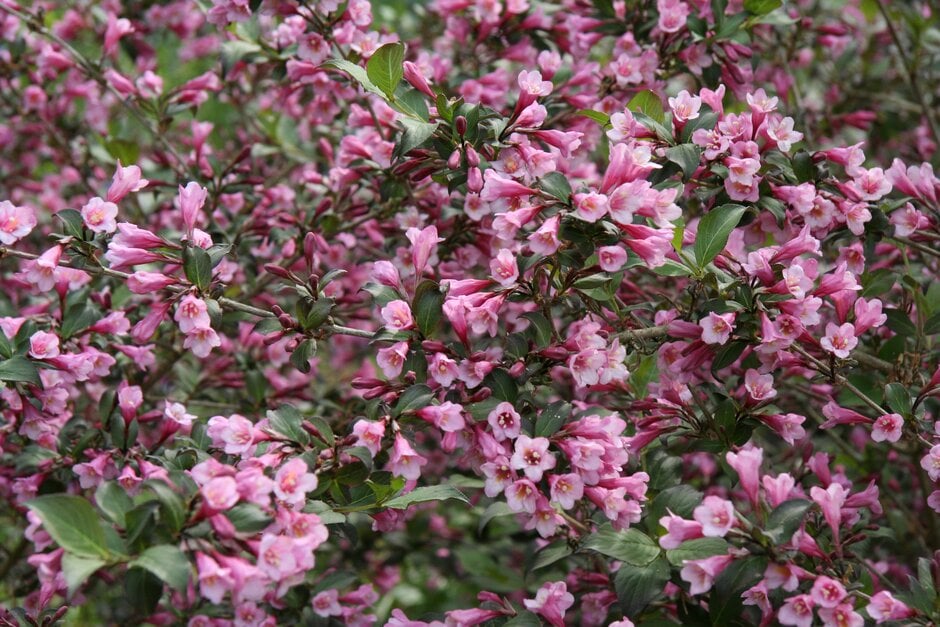
2 - Weigela florida ‘Foliis Purpureis’ is a shrub which has dark red foliage and mauve-pink tubular flowers in spring.
3 - Anemone hupehensis ‘Praecox’ has dusky pink flowers in late summer and autumn, held on tall stems above the lower shrubs.
4 - Deutzia × hybrida ‘Mont Rose’ is a deciduous shrub which has an abundance of pink flowers in late spring and early summer.
5 - Bergenia ‘Sunningdale’ provides an evergreen carpeting edge to the scheme with deep pink spring flowers and thick green foliage, red on the underside.
6 - Sanguisorba ‘Little Angel’ surrounds the shrubs and provides burgundy-coloured drumstick flowers from summer into autumn.
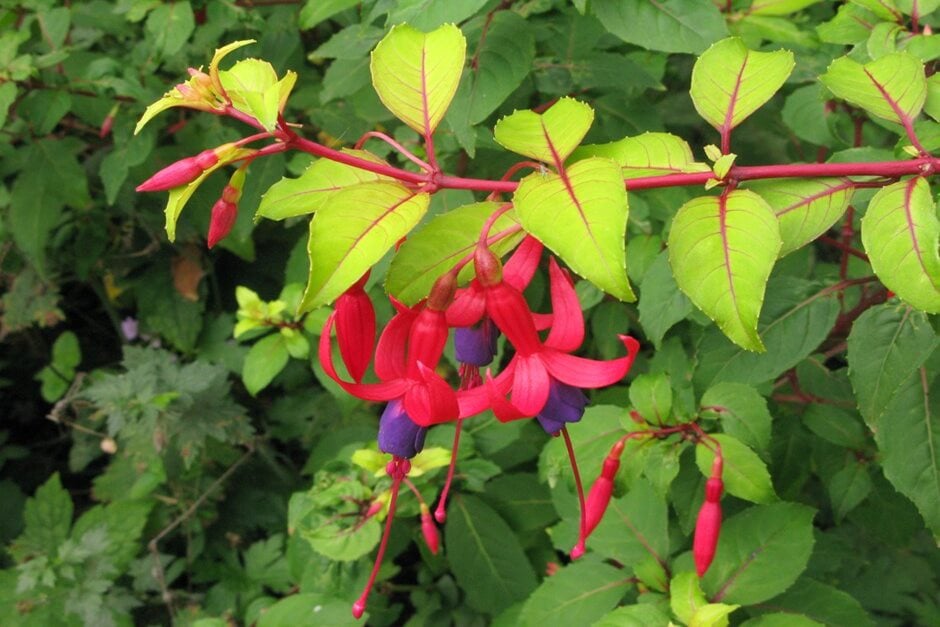
7 - Fuchsia ‘Genii’ has yellow-green leaves and hanging flowers with deep rosy-pink petals and a purple skirt, all summer and autumn.
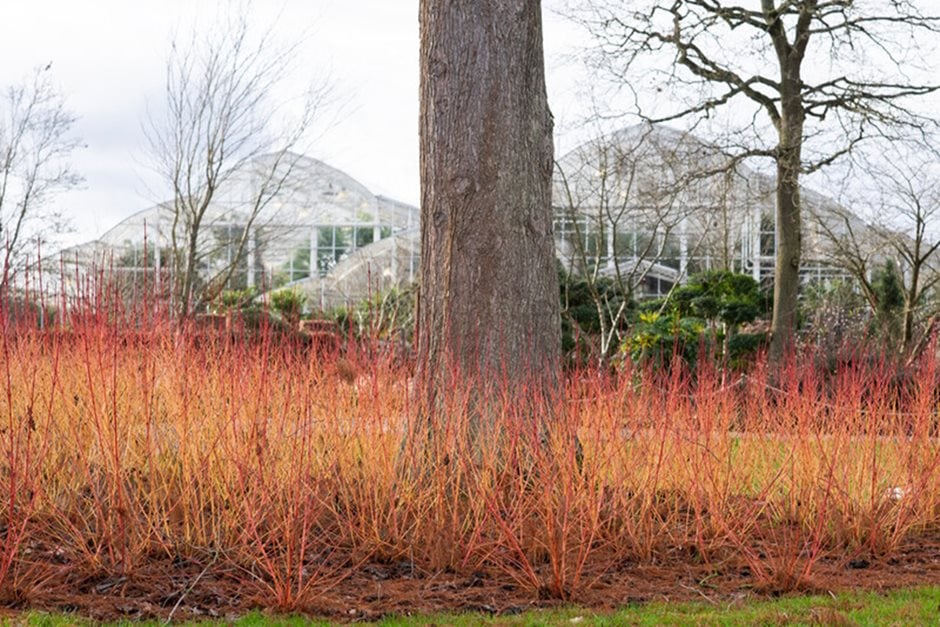
8 - Cornus sanguinea ‘Magic Flame’ provides great seasonality from summer flowers to autumn foliage colour then to stunning winter stem colour
Clay has excellent water-holding properties and is usually very high in nutrient minerals. It is slower to warm up in spring, but also stays warmer into autumn.
By choosing plants that are well suited to clay soil, you can keep your border looking good and growing well, because plants that are planted in the right place tend to be stronger and more naturally resistant to pests and disease. Once the plants are established, this will also reduce the need for extra inputs that less well-adapted plants might need, such as fertiliser and water.
Clay soils can be extremely heavy and sticky in winter and possibly occasionally flooded, while in summer they may be baked hard with wide cracks. Both of these extremes are hard to work and mean gardening should ideally be avoided in the worst-affected areas. A year-on-year addition of homemade garden will gradually make things easier. However if your plants have adapted to naturally thrive in these conditions, they will grow much better.
Using the ethos of ‘right plant, right place’ to create a sustainable planting combination is great for the environment. It helps avoid waste and the use of products and practices needed to try and help ailing plants, such as the application of fertiliser. It also creates robust, long-lived planting that benefits soil health and garden . For more information about sustainable gardening, please see the RHS Sustainability Strategy.