How to mulch with organic matter
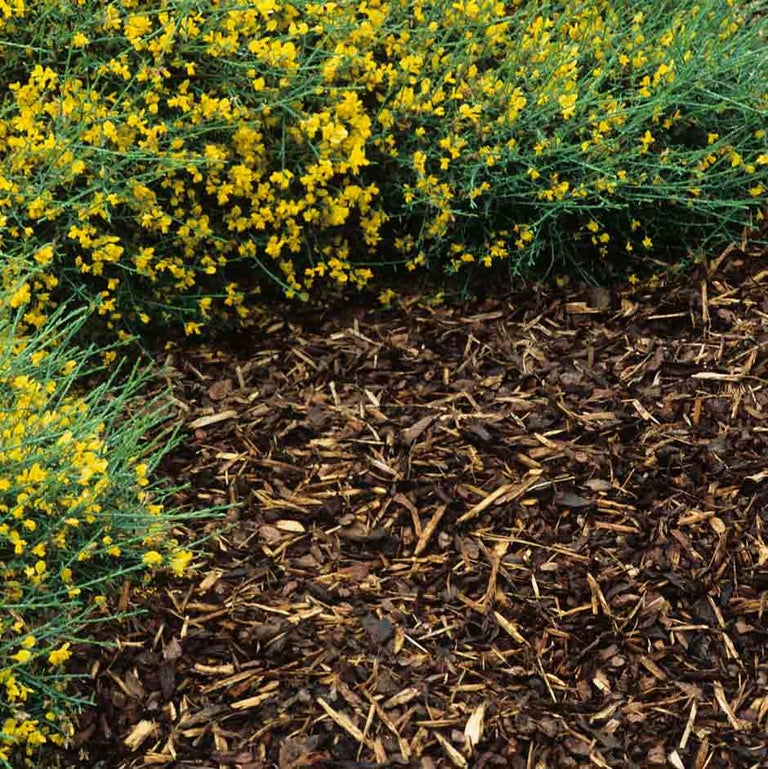
Covering bare soil with a thick layer of organic matter (biodegradable material) is an easy job that really benefits your soil and your plants, while also suppressing weeds. Here’s how to do it.
Annual addition of garden compost will gradually make clay easier to work
Clay is usually very fertile soil
Clay is slow to warm in spring, but stays warmer into autumn

James Lawrence, RHS Principal Horticultural Advisor, has designed this simple, attractive, and most importantly, sustainable border design for you to try at home with plants that are easy to grow, widely available and look good together.
This planting design provides a range of plants that, once established, will thrive in clay soil and provide a variety of interest throughout the year. A simple planting plan helps create depth, interest and good coverage in a border.
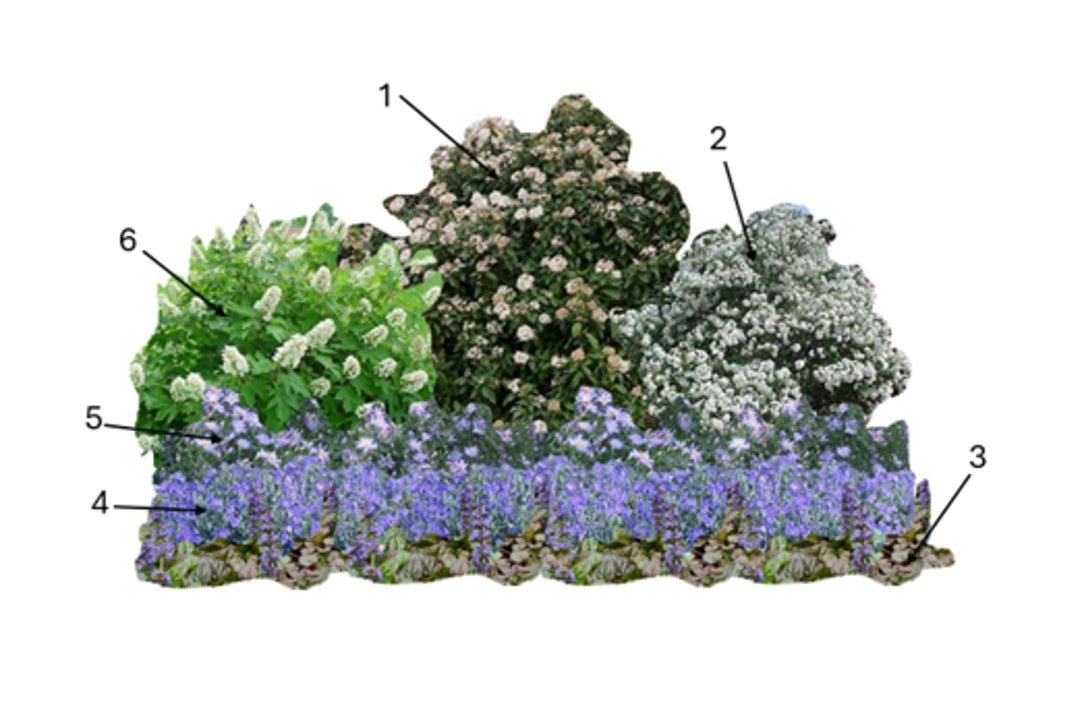
These plants have been selected because their preferred growing condition is clay soil. By using plants that are naturally adapted to these conditions, we can reduce the potential problems that are more likely with plants that are less well suited.
The Ajuga and Geranium provide some ground cover and will help prevent erosion of bare soil. The ground cover can also help to reduce moisture evaporation from the soil surface and suppress weed growth in summer.
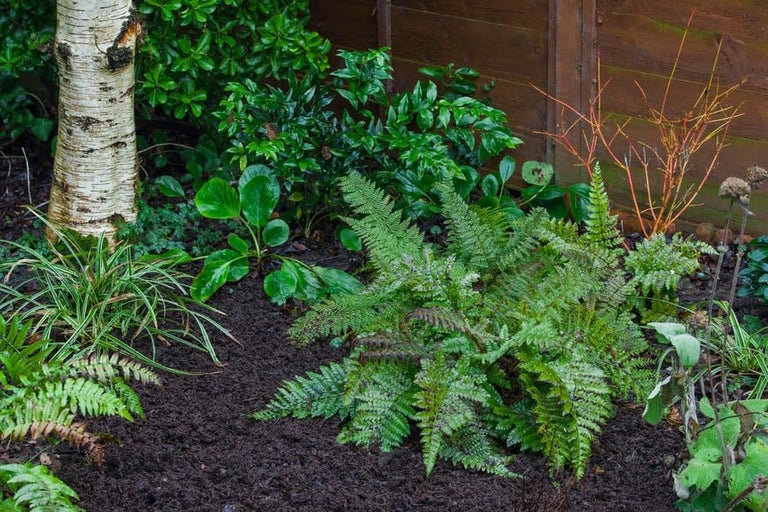
Until the plants have filled out, an organic mulch, preferably homemade compost, can help to lock in soil moisture and suppress weeds. Mulches should be spread when the soil is already moist to help trap some of that moisture before it dries out in summer.
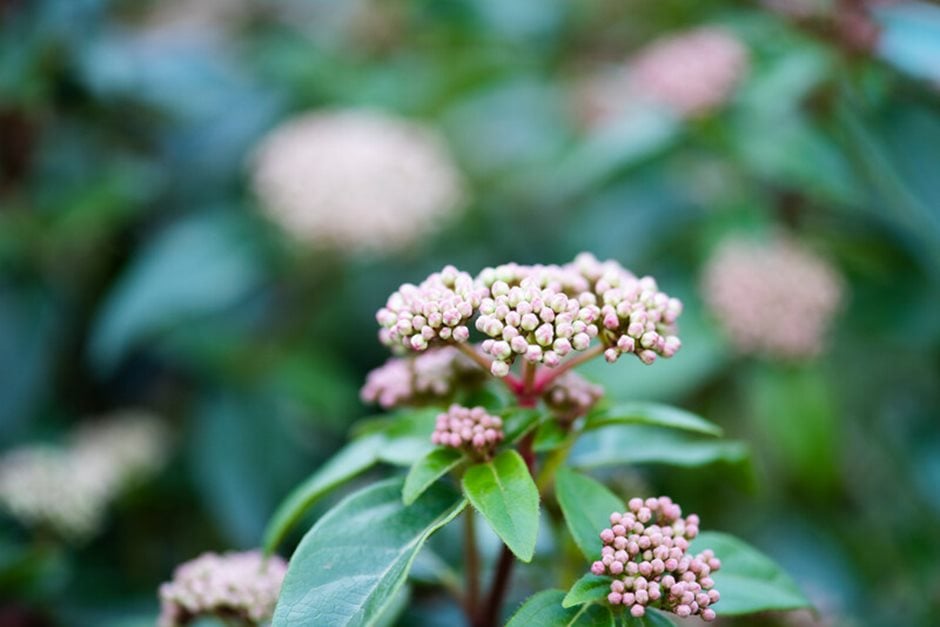
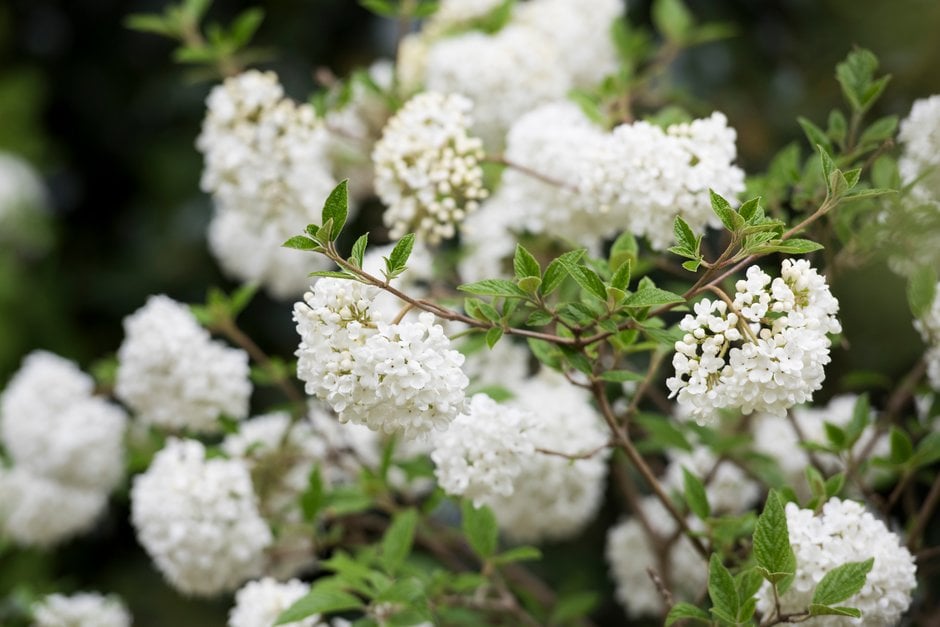
1 - Viburnum tinus ‘Eve Price’ provides an evergreen central structure bearing clusters of pink buds opening to white flowers in late winter, followed by small blue-black berries in summer.
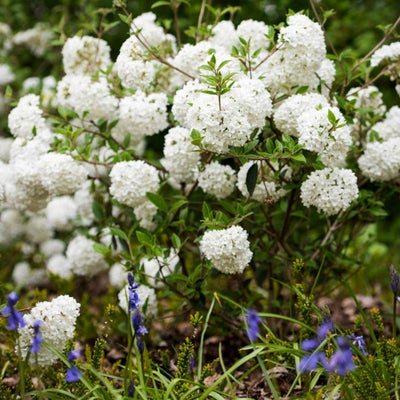
2 - Viburnum ‘Eskimo’ is a semi-evergreen shrub with glossy, leathery, dark green leaves. In mid-to-late spring, pink-tinged buds open to tubular, pure white flowers in spherical clusters.
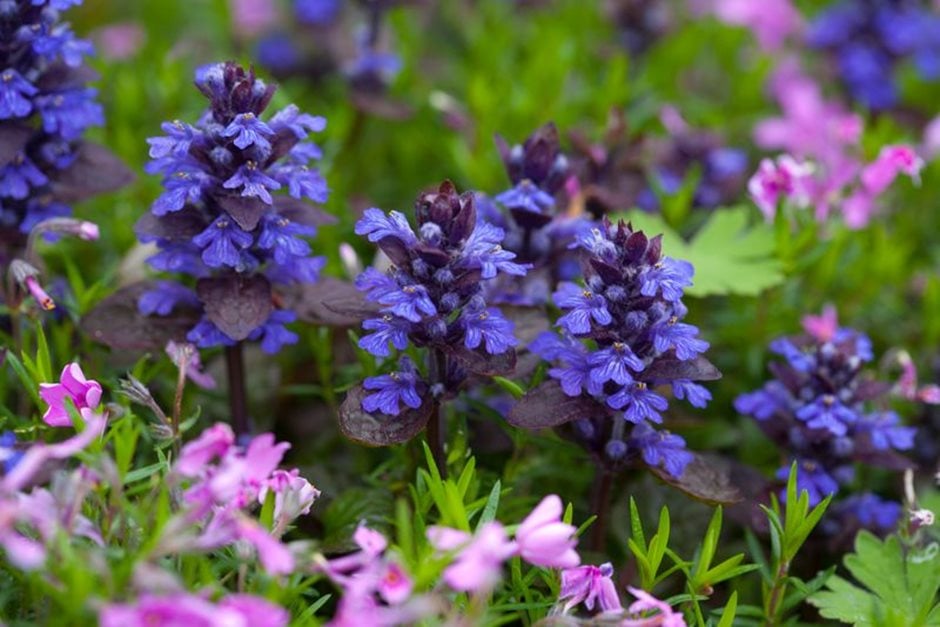
3 - Ajuga reptans ‘Catlin’s Giant’ is a semi-evergreen forming a mat of glossy purple-brown leaves with erect spikes, up to 30cm tall, of blue flowers
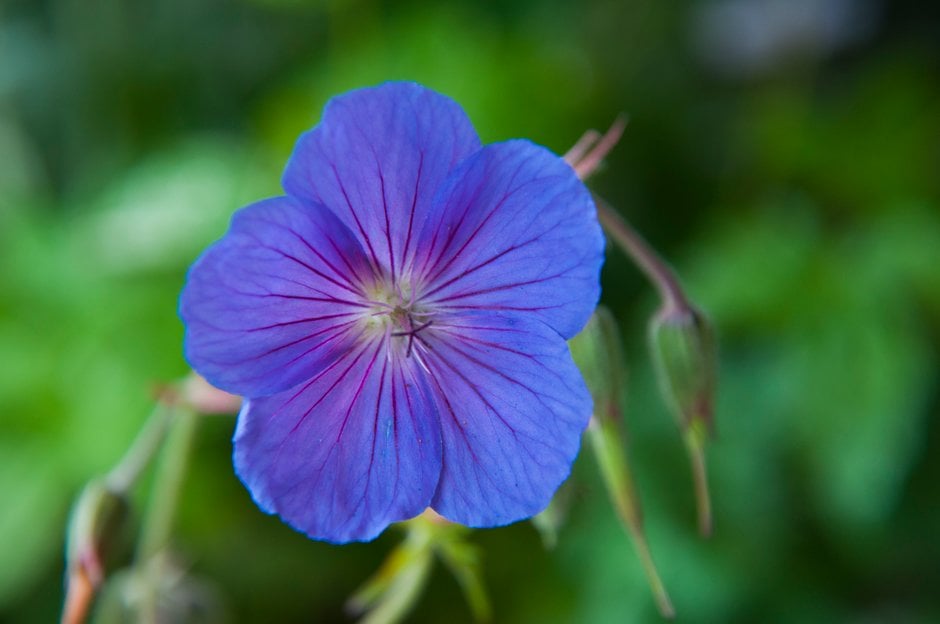
4 - Geranium ‘Orion’ is a spreading perennial, which is ideal for groundcover. It has deeply-lobed leaves and masses of cup-shaped, lavender-blue flowers with purple veins and a white centre, borne over a long period in summer.
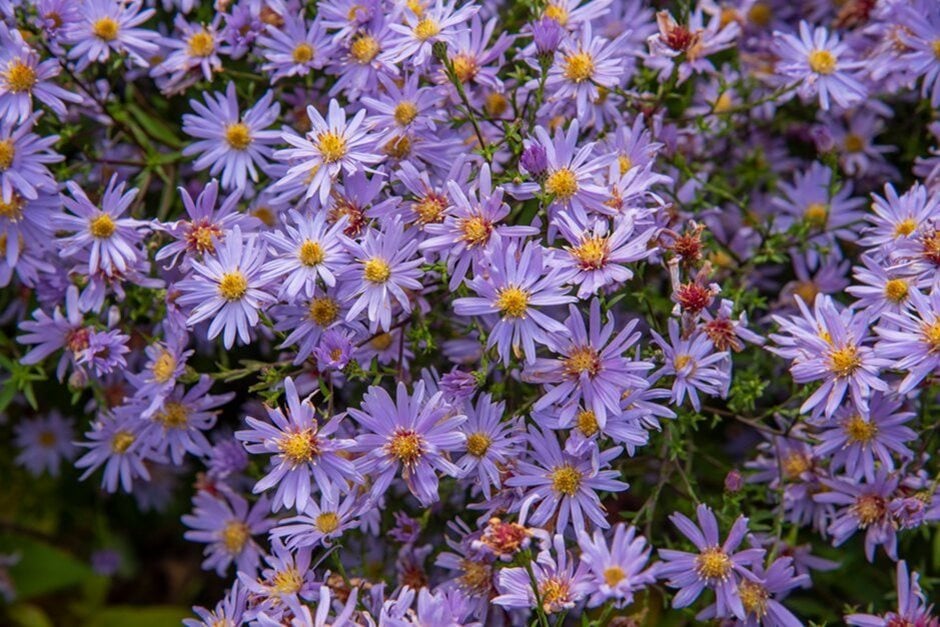
5 - Symphyotrichum ‘Little Carlow’ is a bushy herbaceous perennial, with small heart-shaped leaves and a hazy mass of single, pale lilac-blue flowers, with a yellow central disc in early autumn.
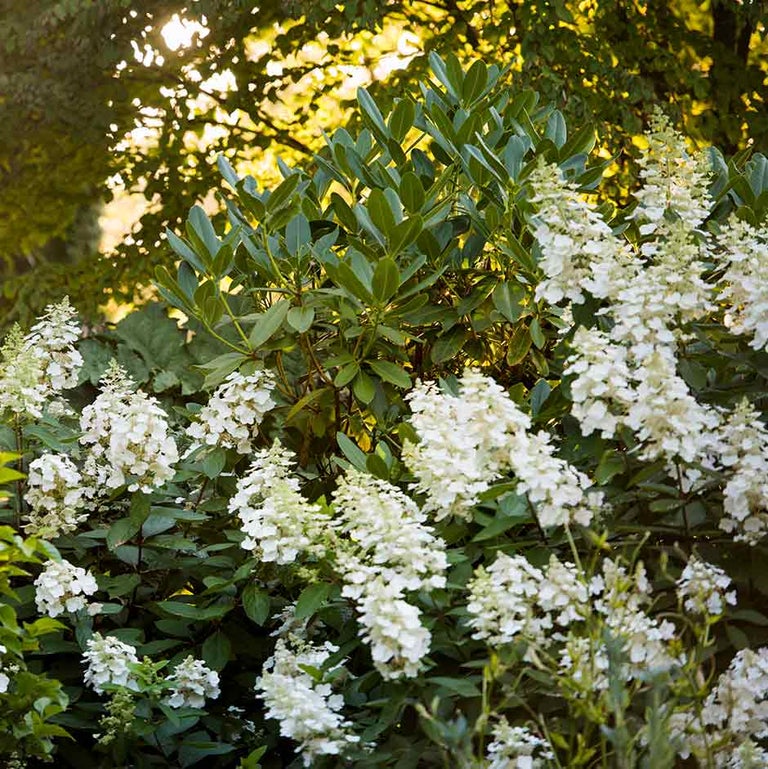
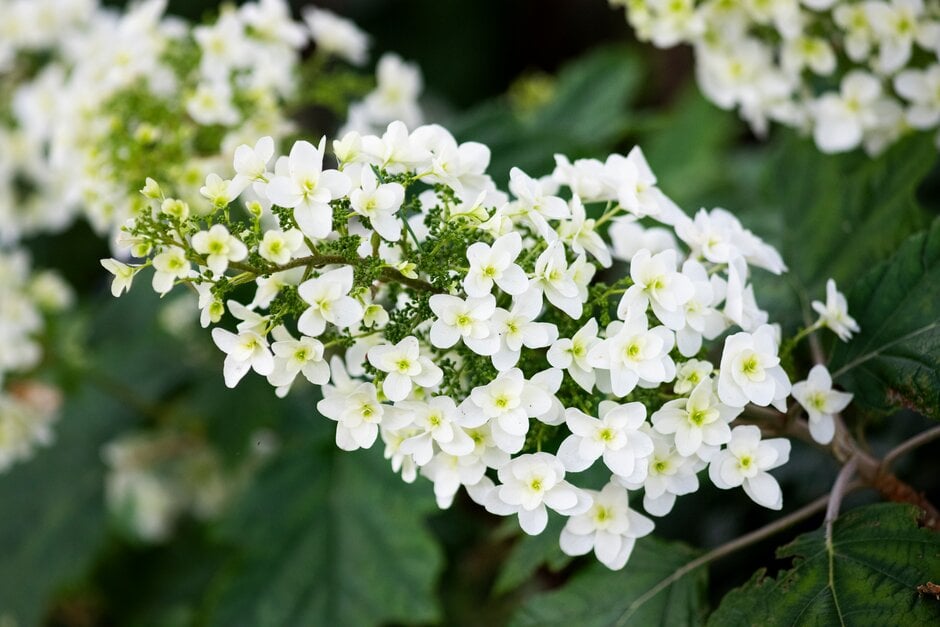
6 - Hydrangea quercifolia ‘Snowflake’ displays boldly lobed, oak-like leaves that turn orange and red in autumn and large, conical panicles of double, white flowers which often show a pink flush in autumn.
By choosing plants which are well-suited to clay soil, you can keep your border looking good and growing well, because plants that are planted in the right place tend to be stronger and more naturally resistant to pests and disease. Once the plants are established, this will also reduce the need for extra inputs that less well-adapted plants would need, such as fertiliser and water.
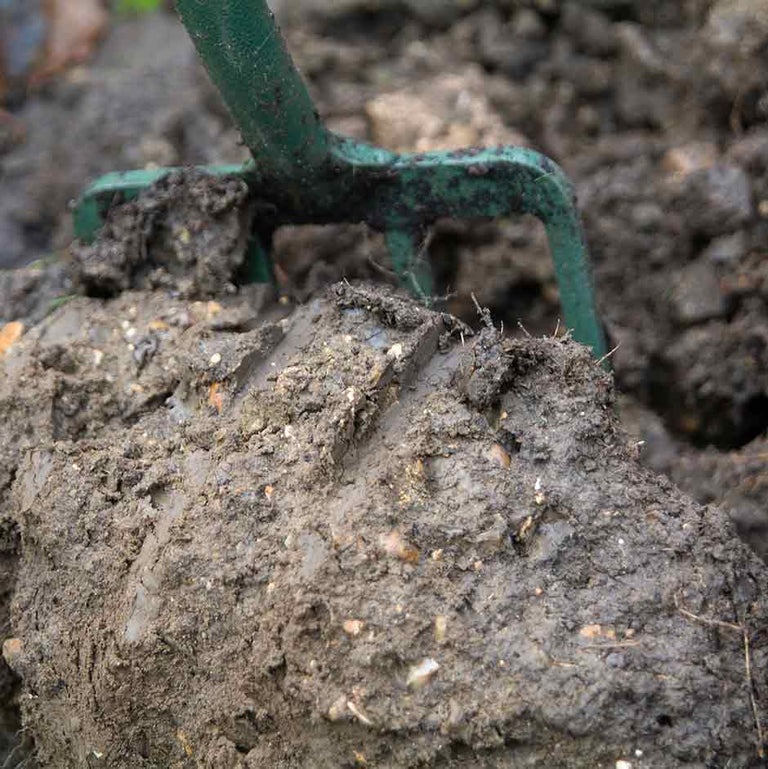
Clay soils can be extremely heavy and sticky in winter and possibly occasionally flooded, while in summer they may be baked hard with wide cracks. Both of these extremes are hard to work and mean gardening should ideally be avoided in the worst-affected areas. A year-on-year addition of homemade garden will gradually make things easier. However if your plants have adapted to naturally thrive in these conditions, they will grow much better.
Using the ethos of ‘right plant, right place’ to create a sustainable planting combination is great for the environment. It helps avoid waste and the use of products and practices needed to try and help ailing plants, such as the application of fertiliser. It also creates robust, long-lived planting that benefits soil health and garden . For more information about sustainable gardening, please see the RHS Sustainability Strategy.